ServSafe food handler training can help Taco Bell workers advance
ServSafe can help you prove you are ready for more than the line at Taco Bell. It shows you can handle food safety, coach the crew, and step toward lead work.
Why ServSafe is more than a certificate
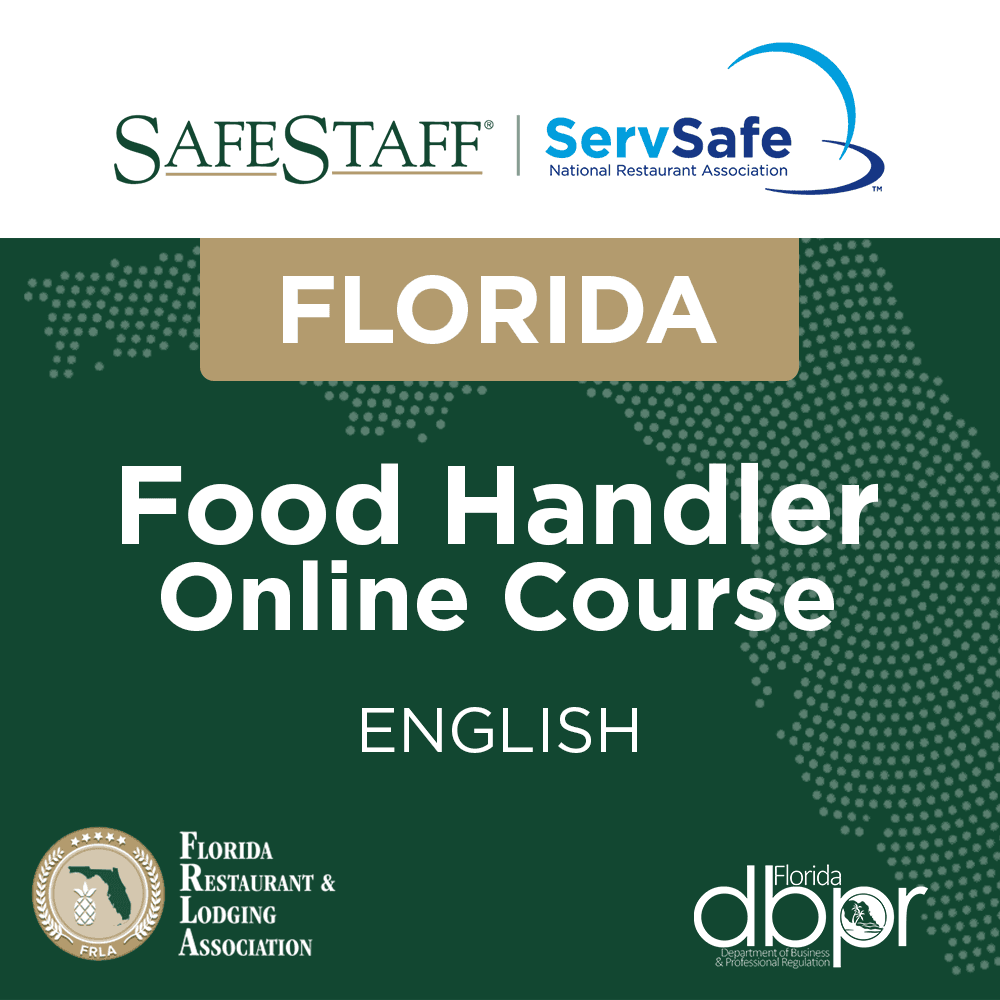
At Taco Bell, a food-safety credential is useful because it speaks to the parts of the job that can slow a shift down fastest: bad handwashing, sloppy glove use, missed temperature checks, cross-contamination, and cleanup that does not actually protect the next order. ServSafe’s Food Handler program is built around those pressure points, with five sections covering Basic Food Safety, Personal Hygiene, Cross-contamination and Allergens, Time and Temperature, and Cleaning and Sanitation.
That matters if you want to move from crew to trainer, shift lead, or a broader back-of-house role. In an hourly job, especially one tied to franchise operations and tight labor budgets, the people who get remembered are not just the fastest on the register, they are the ones who can keep the line safe, consistent, and moving when the store gets slammed.
What the training covers that shows up on a Taco Bell shift
The ServSafe Food Handler course maps closely to the real-world mistakes that are easiest to make in a quick-service kitchen. ServSafe says the program is administered by the National Restaurant Association and is designed to stay current with changing regulatory requirements across states. The online course is listed at about 60 to 90 minutes, and some training providers say the exam has 40 questions.
That short timeline is part of the appeal. You are not signing up for something abstract or academic, you are learning the habits that keep food safe during a rush: when to wash hands, how to use gloves correctly, how to avoid allergen cross-contact, how to keep food in the right temperature range, and how to clean surfaces and equipment well enough that the next shift does not inherit your mistakes.
The food-safety basics are also the leadership basics
The CDC’s restaurant food-safety work focuses on a small number of behaviors that sound simple until a dinner rush hits: washing hands when you should, using gloves properly, checking cooked food with a thermometer, and not working when you have vomiting or diarrhea. Those habits are not just about compliance. They are about whether the shift keeps moving or gets interrupted by preventable mistakes.
FDA guidance makes the same point from the regulatory side. The Food Code is the model that provides the scientific and legal basis for restaurant food safety, and the most recent version on the FDA’s page is the January 18, 2023 version of the 2022 Food Code. That version includes major-allergen notification requirements, which is one more reason ServSafe’s allergen section is not just theory. In a Taco Bell kitchen, where speed matters and ingredients move fast, knowing how to keep allergens separated can help protect guests and protect the store from avoidable problems.
How to use the credential to move up
If you are trying to get noticed for trainer or shift lead work, do not present ServSafe as a generic resume item. Present it as proof that you understand the work your manager worries about most: food safety, consistency, and keeping standards up when the store is busy or short-staffed. That is a stronger signal than saying you completed a course because it shows you understand how safety and speed fit together.
- You know how to coach handwashing and glove use without slowing the line.
- You can help newer team members understand why thermometer checks matter.
- You can spot cross-contamination risks before they turn into waste or complaints.
- You know why illness policies are part of operations, not just a side rule.
A practical way to frame it with a manager is to connect the credential to a real store need:
That language matters because it turns a training certificate into operational credibility. A shift lead is expected to notice problems early, explain standards clearly, and keep the team aligned under pressure. ServSafe gives you a common vocabulary for those conversations.
Why Taco Bell’s own systems make this easier to sell
Taco Bell already treats training as part of the job, not something separate from it. The company’s MyTacoBell and Learning Zone portal, used by Yum system franchisees, says hourly employees must take training only during scheduled work hours. That detail is telling. It means the brand recognizes that training is work, and that food-safety knowledge belongs inside the shift, not piled on after it.
There is also evidence that Taco Bell has used its own food-handler paperwork in at least one state filing. A Texas Department of State Health Services sample certificate shows a Taco Bell Food Handler Safety and Sanitation completion certificate with a two-year expiration from the date of issue. For workers, that suggests food-safety training is already part of the company’s operating rhythm, not some extra badge that sits outside the business.
What it signals in a franchise system
That distinction matters in a chain as large as Taco Bell, where franchise and corporate dynamics shape how training gets handled on the ground. In a system like this, the worker who can talk confidently about food safety is often the worker who can communicate cleanly with a manager, a franchise operator, or an inspector when something needs to be corrected fast.
The bigger payoff is not the certificate itself. It is the confidence that comes with understanding why the rules exist. When you can explain handwashing, separation, and temperature control in plain language, you look less like someone completing a requirement and more like someone ready to help run a shift.
The real advance is trust
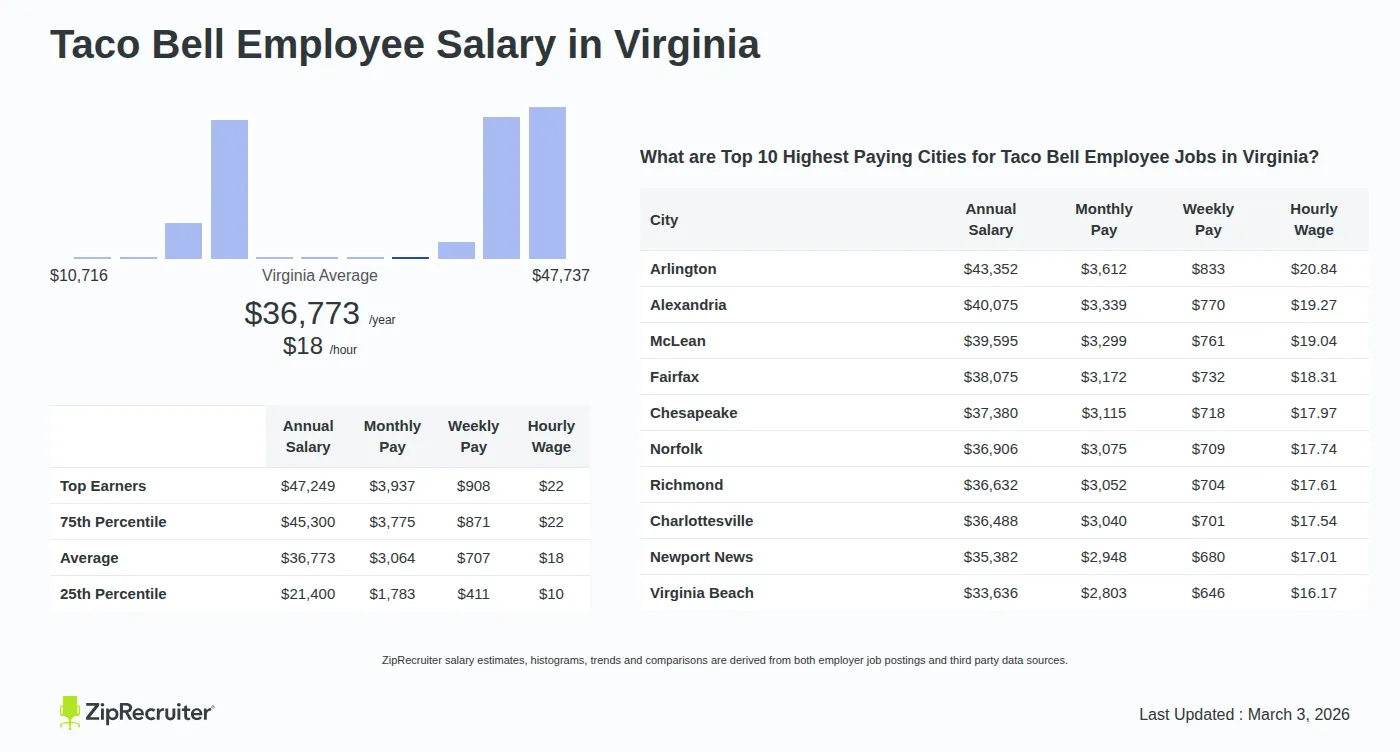
That is why ServSafe can be useful even in a job where pay debates, minimum wage pressure, and hourly turnover are constant background noise. It does not magically create a promotion, and it will not replace strong performance. But it can help you stand out as the person who understands the kitchen beyond your own station, which is exactly the kind of credibility that supports trainer, shift lead, and broader food-safety responsibility.
In a high-volume Taco Bell, food safety is not a side task. It is part of how the store protects time, waste, consistency, and customer trust. If you can show you know that, you are already speaking the language of leadership.
This article was produced by Prism’s automated news system from verified source data, official records, and press releases, then run through automated quality and moderation checks before publishing. The system is built and supervised by the people who set the standards it runs under. Read our full AI policy.
Did this article answer your question?