Starbucks adds scheduled pickup ordering, raising the bar for restaurant speed
Starbucks is moving mobile orders from “ready when we can” to timed pickup windows, a shift Taco Bell managers will feel in staffing, sequencing and handoff speed.

Starbucks is about to make digital ordering more exact, and that will raise the operational bar for every quick-service chain trying to keep pace. Starting May 11, customers in North American stores with Mobile Order & Pay will be able to pick five-minute pickup windows up to an hour ahead, with the app showing times based on real-time availability at each coffeehouse.
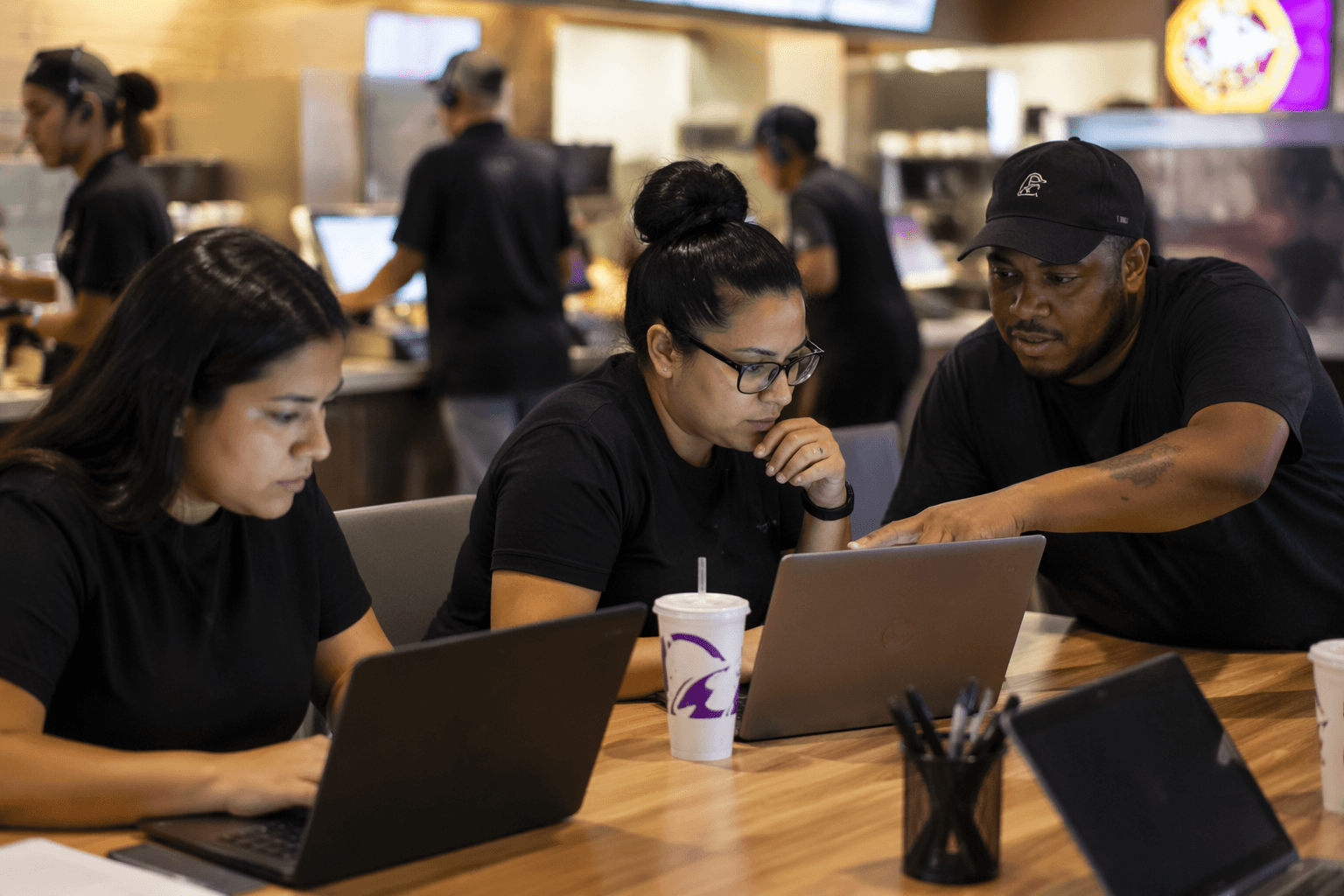
For Taco Bell managers, the important change is not coffee. It is the pressure that comes when guests start expecting a meal to appear at a specific minute instead of just “sometime soon.” Starbucks said the feature runs through its Smart Queue algorithm, which sequences and balances café, drive-thru and mobile orders. That kind of order orchestration affects the same things Taco Bell lives and dies on: labor deployment, make-line timing, and how many orders a shift can absorb before the lobby, mobile shelf and drive-thru start colliding.
Starbucks has been explicit that speed is the goal. The company said it is trying to get orders into customers’ hands in under four minutes, and it has tied scheduled pickup to its broader “Back to Starbucks” reset under chairman and CEO Brian Niccol. Green Apron Service, which rolled out nationwide in company-owned stores starting in mid-August 2025, was described by Starbucks as its biggest investment ever in customer experience, with smarter staffing, advanced order sequencing and clear service standards at the center of the model. Starbucks later said its second-quarter fiscal 2026 results showed healthy comparable store sales and earnings growth.
That matters for Taco Bell because the chain has already been leaning into digital flow. Its Go Mobile concept launched in August 2020, built around ordering ahead through the app and reducing friction at the restaurant. In August 2023, Taco Bell said it aimed to operate 10,000 restaurants in coming years and was investing in advanced back-of-house technology. In March 2025, the company said digital investment, restaurant experience evolution and innovation remained part of its growth strategy.
The industry has been here before, just with less precision. QSR Magazine says its drive-thru performance study began in 1998, when benchmark accuracy ratings were as low as 61.8 percent. By the 2023 study, average order accuracy across three major quick-service brands had climbed to 86 percent. QSR also said Taco Bell Defy in Brooklyn Park, Minnesota, was designed to get customers through the drive-thru in two minutes or less, and that Taco Bell’s digital sales grew almost 35 percent year over year in the second quarter of 2023.
The lesson for Taco Bell is straightforward: the next contest is not just who can take more digital orders. It is who can promise a time, hit it, and keep the drive-thru moving while the line keeps turning. Starbucks is betting customers will notice the difference, and once that habit spreads, every restaurant will have to answer it.
This article was produced by Prism’s automated news system from verified source data, official records, and press releases, then run through automated quality and moderation checks before publishing. The system is built and supervised by the people who set the standards it runs under. Read our full AI policy.
Did this article answer your question?