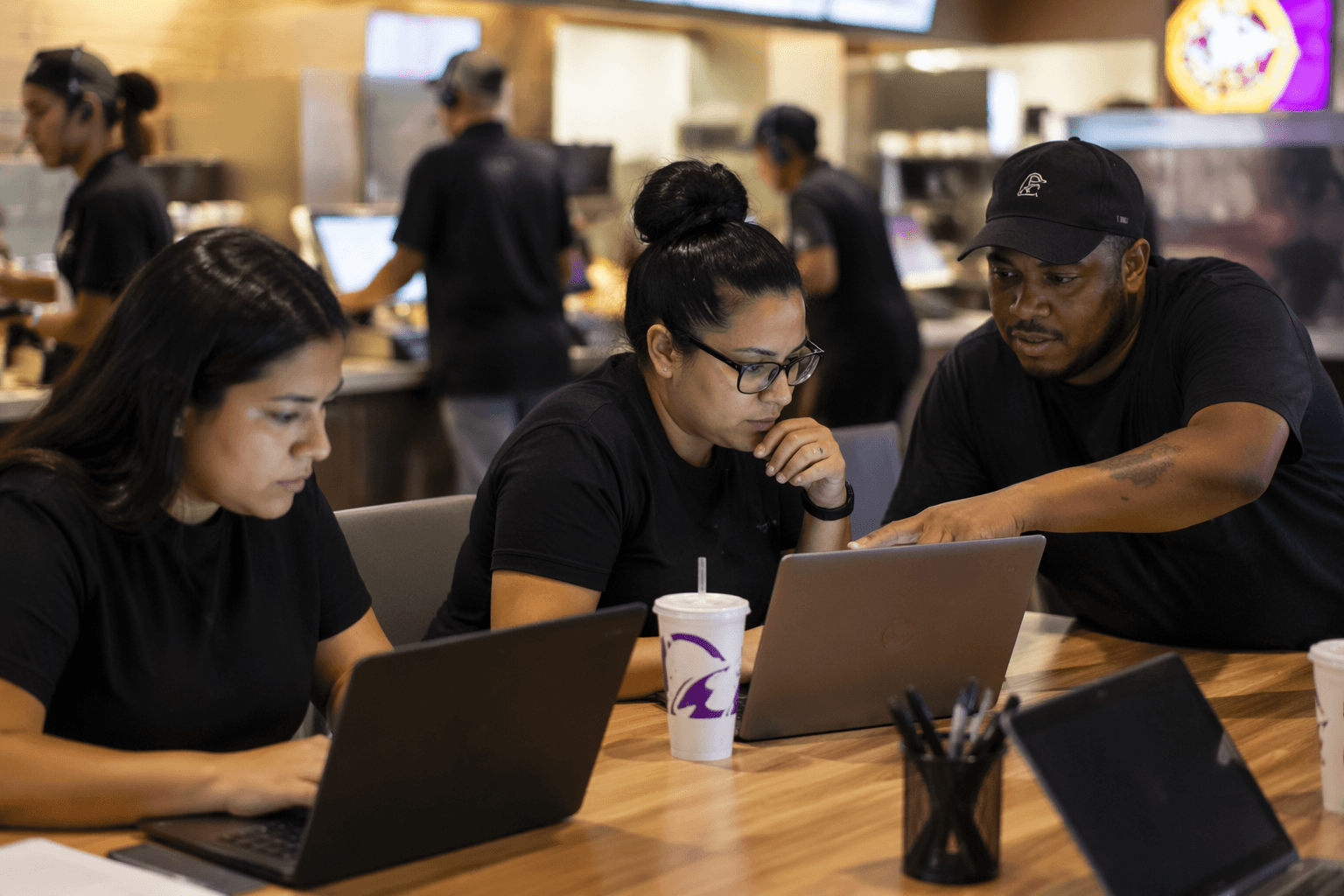
Taco Bell’s menu strategy mirrors 2026 food trends, comfort, value, spice
Taco Bell's 2026 menu bets are less about novelty than line speed, as comfort, value, and spice turn into LTOs that add prep steps and training load.
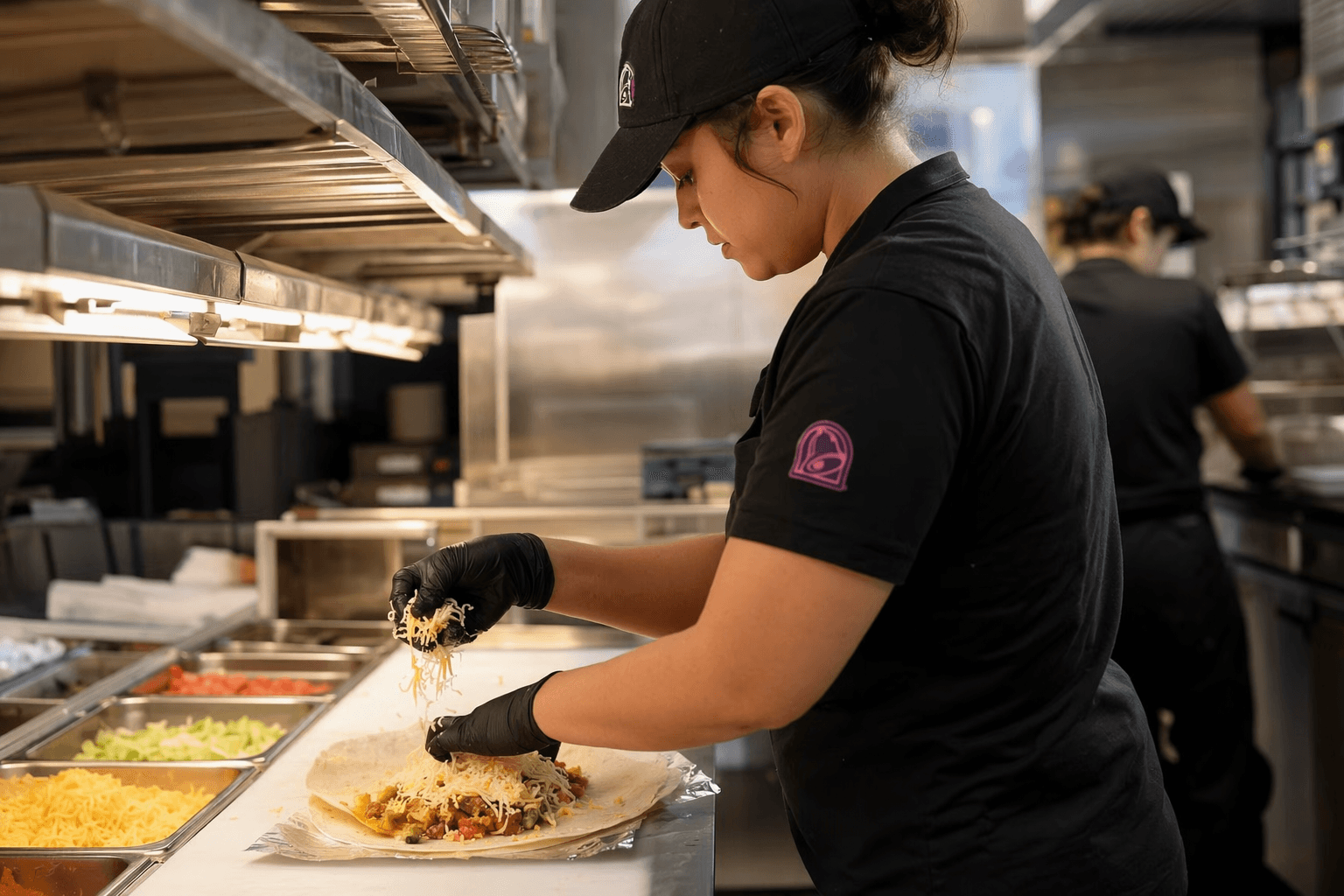
The trend report is really an ops report
A Taco Bell menu launch is rarely just a new taco. It is a test of whether the store can absorb another sauce, another build, another drink and still keep the line moving.
That is why the National Restaurant Association’s 2026 forecast matters to crew members and managers. Based on insights from hundreds of culinary professionals surveyed in October 2025, it says the year’s biggest themes are comfort, nostalgia, health, value and flavor escapism. In plain language, consumers want food that feels familiar, travels somewhere new and does it without wrecking the budget. That is almost a direct description of Taco Bell’s menu playbook.
Why Taco Bell keeps landing on the same trends
The clearest trends likely to become Taco Bell limited-time items are the ones that fit the brand’s existing parts bin: comfort, nostalgia, value and flavor escapism. Those are the easiest to turn into a Taco Bell build because the chain already sells on craveability, cheap entry points and bold flavor. A comfort item can be a mashup of familiar components. A nostalgic item can reuse a fan favorite with a new finish. A value item can be sold through a familiar format that feels like a treat.
Health is part of the NRA forecast too, but at Taco Bell it is more likely to show up as a lighter angle, a beverage tweak or a customization option than as the headline of a launch. The brand wins when it feels indulgent, not ascetic. That is the basic reason the chain leans so hard on spicy remixes, dessert twists and limited runs: they fit the customer promise and they can be built from systems the kitchen already knows.
- More ingredients to stage in the morning
- More build variations to memorize
- More sauce pulls, topping swaps and packaging changes
- More chances for a great launch to turn messy if the line is not trained
For workers, that means the trend report is not marketing fluff. It is a clue that the next wave of menu innovation will probably bring:
The hidden burden behind a fun menu
Taco Bell has also made beverage innovation part of the same machine. The company says Live Más Café features 20+ drinks, and it plans to open 30 more Live Más Cafés inside existing Taco Bell restaurants by the end of 2025. It also says its long-term beverage strategy aims for $5 billion in beverage sales by 2030.
That sounds like growth, but on the floor it means more than marketing. Drinks can seem easier than food until you are the one who has to remember a new recipe, pull the right syrup, keep the blender or dispenser flow clean and move the order before the line backs up. Beverage programs can help average ticket and create a little theater at the front counter, but they also add training load and slow down the team if they are treated like an afterthought.
This is where Taco Bell’s experimentation starts to matter like a workplace issue. A new drink or dessert is never just a new SKU. It is a signal that the store may need a new prep routine, a different handoff and a clearer division of labor between front counter and make line. If wages are already tight and staffing is thin, that extra complexity lands harder. The promise of “fun” can feel very different when it means one more task in a rushed shift.
Taco Bell turns churn into the business model
Taco Bell did not stumble into constant menu churn. According to Living Más, the chain releases around 10 Experiences per year, and they average 4-6 weeks each. Before 2014, it used a Window system for short-term releases, and some of those items lasted up to half a year or even became permanent.
That history matters because it shows the LTO cycle is not a side hustle. It is the operating model. At a lot of chains, a limited-time item is a little event. At Taco Bell, it is part of the rhythm of the restaurant. The crew learns a new item, the window opens, the marketing pushes hard, and then the item disappears or moves into the permanent set.
For shift managers, that means the real job is not just selling the item. It is controlling the learning curve. New launches create the most friction when the team does not know where the ingredient lives, how long the build takes or where the bottleneck will show up. The fastest wins are usually the items that use familiar components in a slightly different form. The hardest launches are the ones that demand a fresh sauce, a special topping, a new holding time or a new station dance.
What the 2026 reveals say about execution
Taco Bell’s recent reveals show exactly how it is translating the trend report into product. In March 2026, it launched Chocolate Fudge & Caramel Empanadas nationwide as an early Live Más LIVE reveal, framing them as a remixed take on the fan-favorite Caramel Apple Empanada. The company also said Live Más LIVE 2026 would include 20+ menu innovations, including permanent Nacho Fries plus Mountain Dew Baja Midnight Pie, Diablo Dusted Crispy Chicken Nuggets and the Crème Brulee Crunchwrap Slider.
Some of those ideas are easier on the line than others. Nacho Fries are an easy example of a comfort-and-value item that already has cultural traction. They are familiar, fast to explain and likely simpler for crews than a brand-new protein system. Chocolate Fudge & Caramel Empanadas also fit the nostalgia lane because they build off a remembered favorite, which helps with customer demand and crew training at the same time.
The more complicated items are the mashups that sound like a headline and behave like a puzzle. A dessert pie tied to a soda flavor or a Crunchwrap built around a crème brulee idea may draw attention, but they also raise the odds of extra prep, new storage needs and slower assembly if the line is not drilled. Diablo Dusted Crispy Chicken Nuggets add a chicken workflow to a brand that has built much of its identity on beef, beans and tortillas, which means more coordination around fryer flow, seasoning and timing.
The lesson for the store is simple: the more a promo relies on extra ingredients, the more it can hit line speed and consistency. The more it reuses recognizable parts, the more likely it is to feel like an easy win.
Why the company keeps pushing anyway
The sales numbers explain why Taco Bell keeps leaning in. Yum! Brands has reported Taco Bell system sales growth of 11% in Q4 2022, 12% in Q1 2023, 10% in Q2 2022 and 14% in Q4 2023. A recent trade report said Taco Bell’s global system sales rose 10% for the quarter and same-store sales rose 8%.
That kind of performance buys the chain room to experiment. It also creates pressure to keep the machine running because the market is clearly rewarding novelty that still feels cheap and familiar. For franchise operators, that is both opportunity and burden. Corporate can sell the story of innovation. Franchise teams have to absorb the training, the inventory risk and the labor squeeze that come with every new drop.
That is the real takeaway for Taco Bell workers and managers: the 2026 food forecast is not abstract industry chatter. It is a map of which ideas are most likely to show up in your kitchen, which ones will be easy to absorb and which ones will create chaos if the rollout is sloppy. At Taco Bell, trend spotting is really line management, and the best launches will be the ones that make the customer feel something new without making the store slower.
This article was produced by Prism’s automated news system from verified source data, official records, and press releases, then run through automated quality and moderation checks before publishing. The system is built and supervised by the people who set the standards it runs under. Read our full AI policy.
Did this article answer your question?