Taco Bell tests AI drive-thru menu boards to boost ordering efficiency
Taco Bell began testing AI drive-thru boards that can rearrange menus car by car. The company says pricing will not change, but upselling and rush-hour flow may.
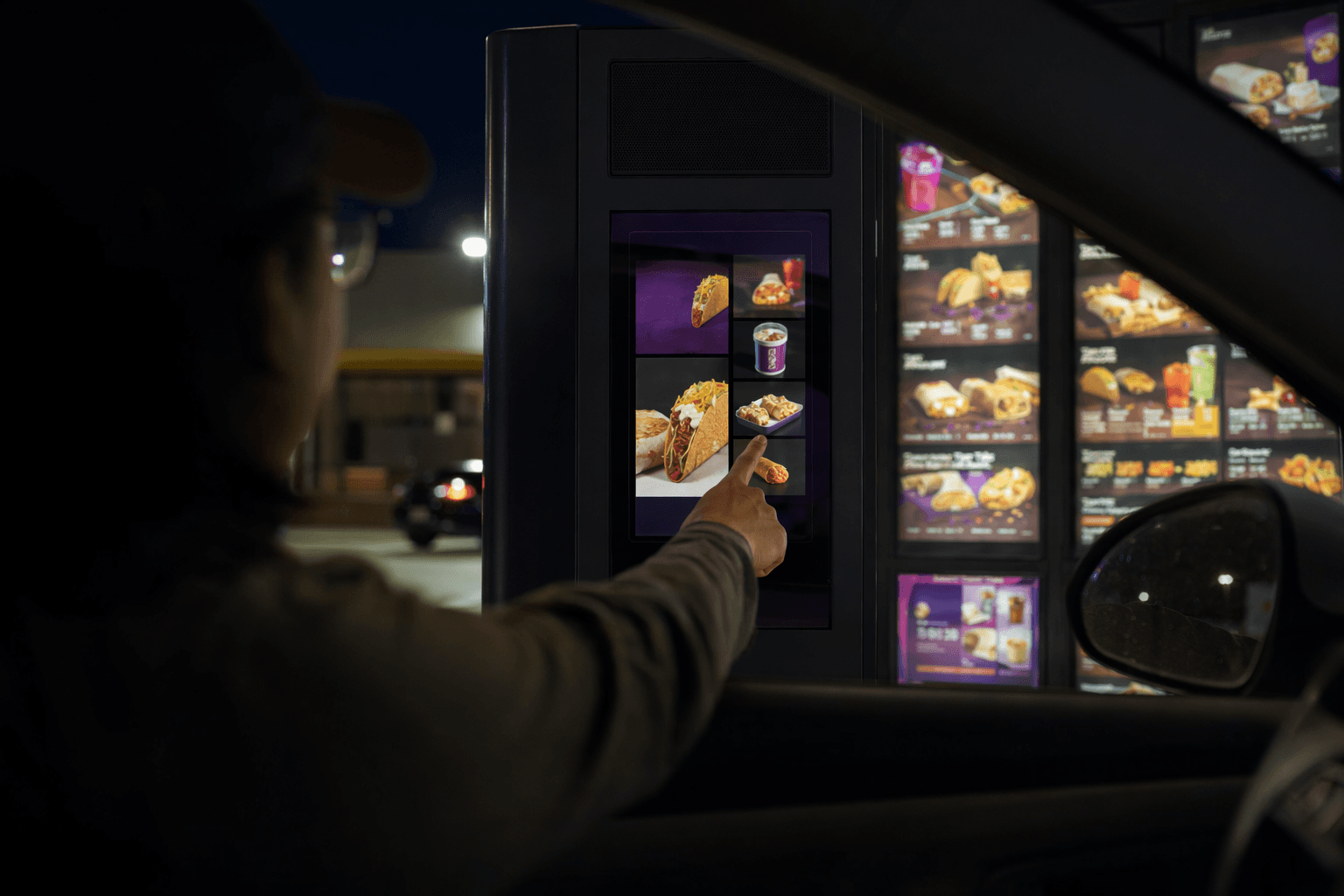
Taco Bell is testing AI-arranged drive-thru menu boards that can shift layouts and content car by car, a move aimed at making ordering faster and pushing the right items at the right moment. For crew members and shift managers, the immediate change is not a flashy screen trick. It is a shift in control, with software helping decide what guests see first and how hard the lane gets hit during a rush.
The company said the test will not change store pricing, a point that matters in restaurants where employees often brace for confusion the moment digital menus change. That makes this less of a price story than a compliance and operations story. If the board is rearranging promotions and product placement dynamically, managers still have to keep guests informed, settle disputes when a deal looks different on the screen, and make sure the store’s actual pricing and execution stay aligned.
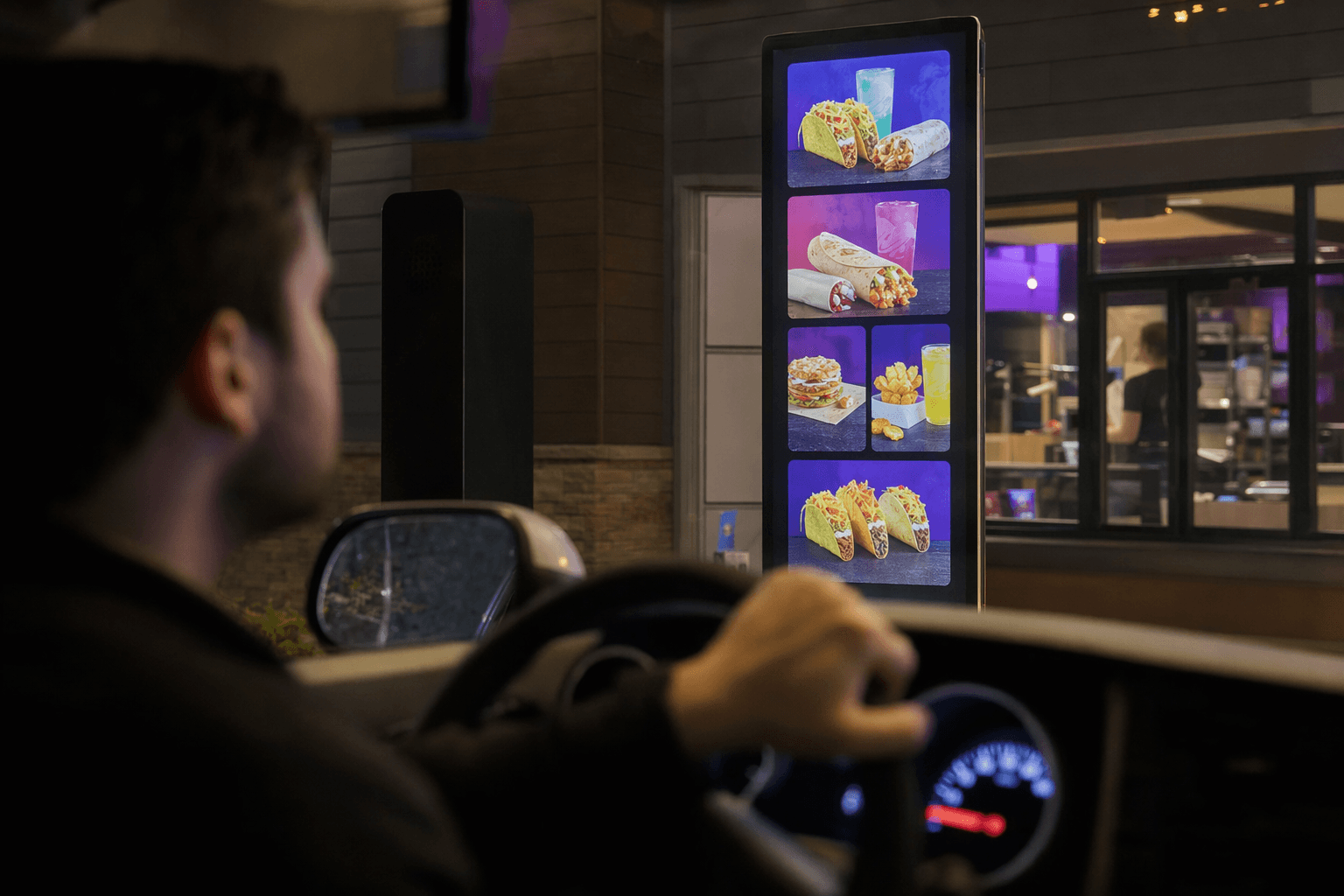
Yum Brands said the work is powered by Byte technology and the digital menu boards that Yum and its franchisees have already rolled out over time. In practice, that means Taco Bell is using its own stores as a test bed for a more algorithmic front end to the drive-thru. The upside is obvious: faster ordering, cleaner upselling and better visibility for items the system thinks should move at that moment. The downside is also obvious to anyone on the headset during peak periods. If the system nudges more guests toward add-ons or shifts attention to limited-time items, the burden falls on the line to keep orders accurate while volume and modifications rise.
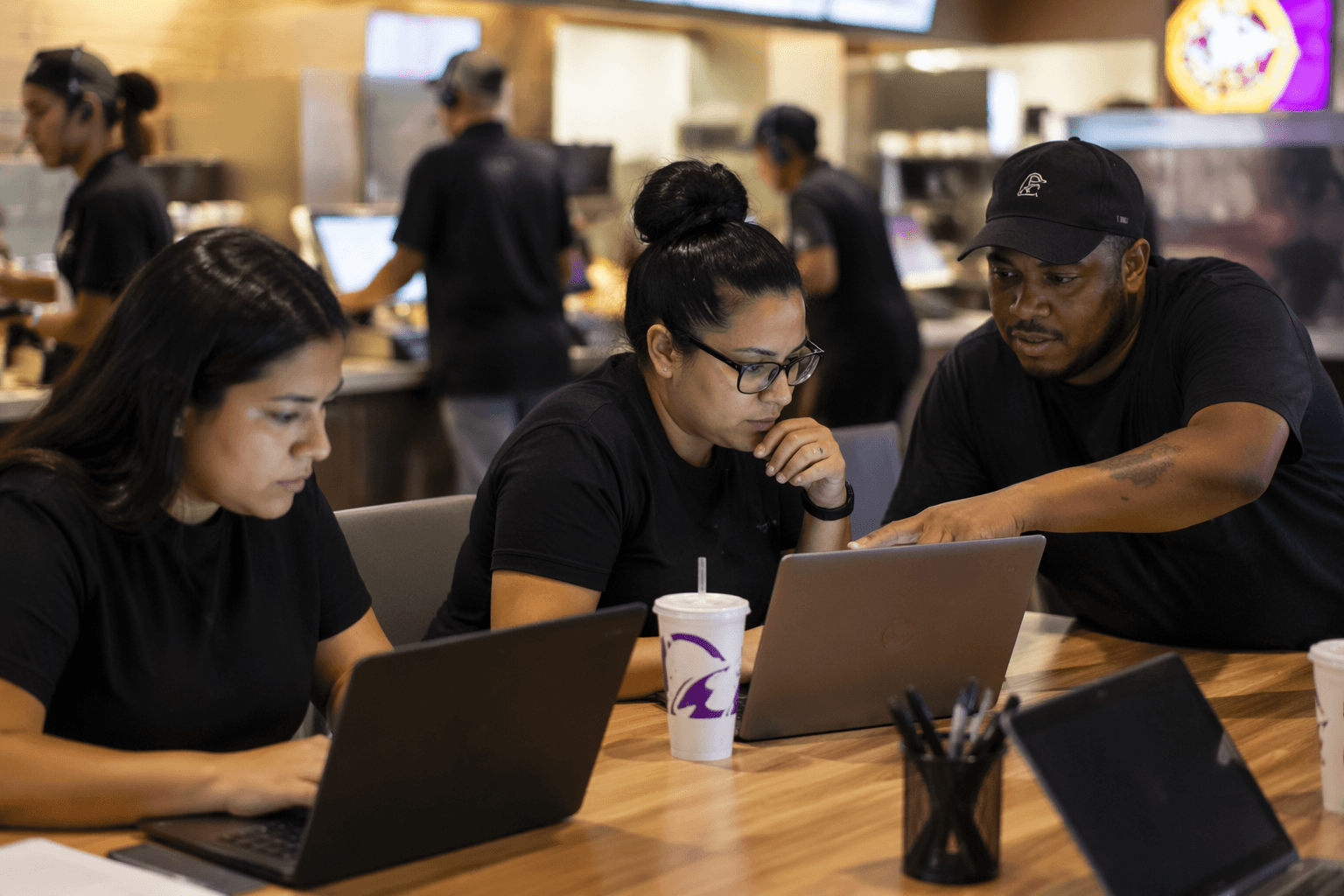
Yum is also testing a Byte-powered kitchen display system meant to create efficiencies behind the counter. That matters because the real pressure point in fast food is not just what guests order, but how those orders are routed once they hit the kitchen. For shift managers, the goal is to keep the drive-thru moving, send the right ticket to the right station and reduce the kind of bottlenecks that turn a dinner rush into a service breakdown.
The bigger story is that Taco Bell is serving as a proving ground for menu innovation across Yum’s portfolio. As the company refines this tech stack, workers can expect more digital decision-support tools, more experimentation with menu presentation and more scrutiny on execution. On the floor, the change may feel invisible at first. Then it shows up in what guests order, how often they customize and how hard each station gets hammered when the lane backs up.
This article was produced by Prism’s automated news system from verified source data, official records, and press releases, then run through automated quality and moderation checks before publishing. The system is built and supervised by the people who set the standards it runs under. Read our full AI policy.
Did this article answer your question?