Taco Bell leaders should rethink schedules, training, and promotions, report says
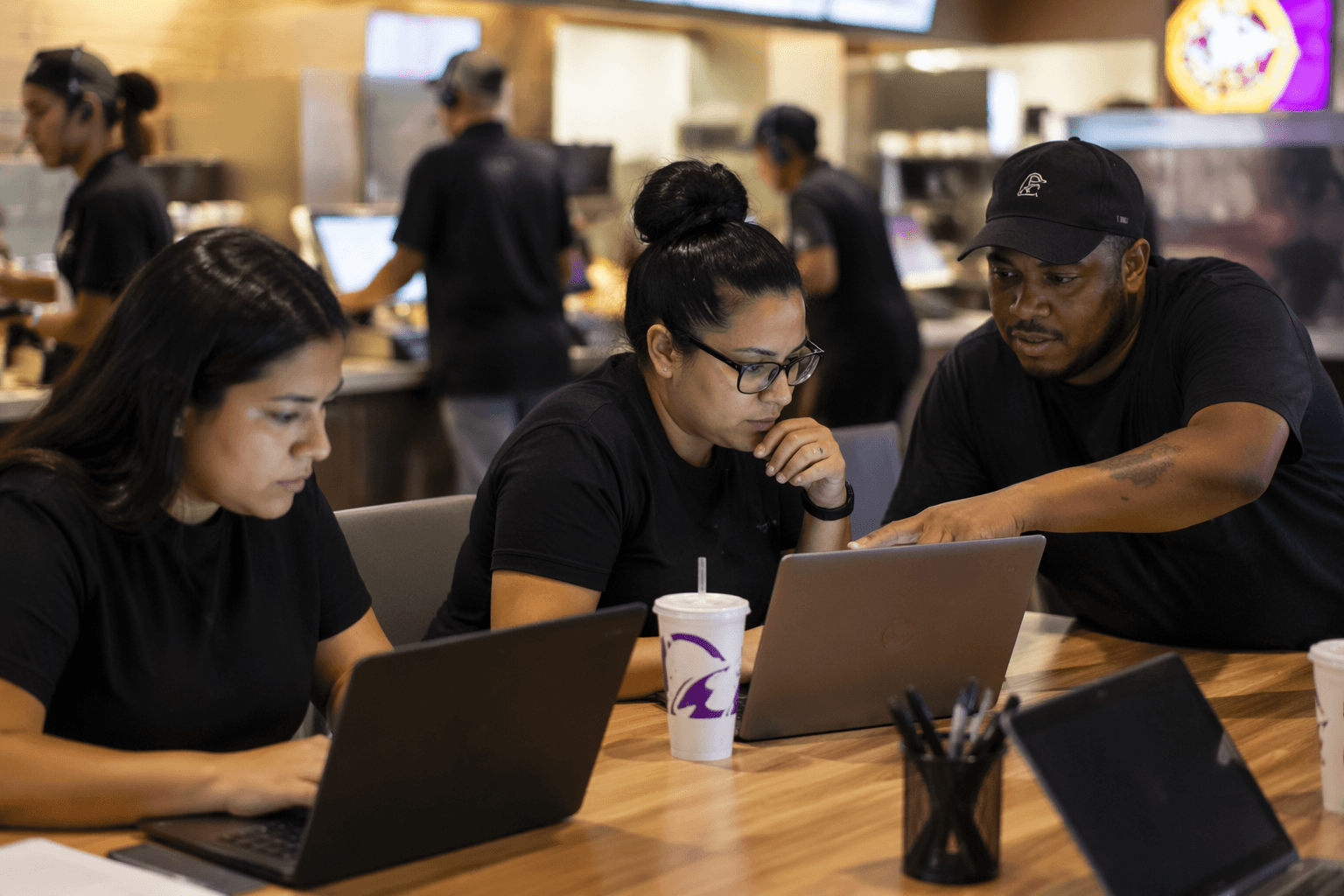
Restaurant workers are younger, more diverse, and often in school. For Taco Bell, that means schedules, training, and promotions have to match real lives, not manager assumptions.
What the workforce data says Taco Bell leaders cannot ignore
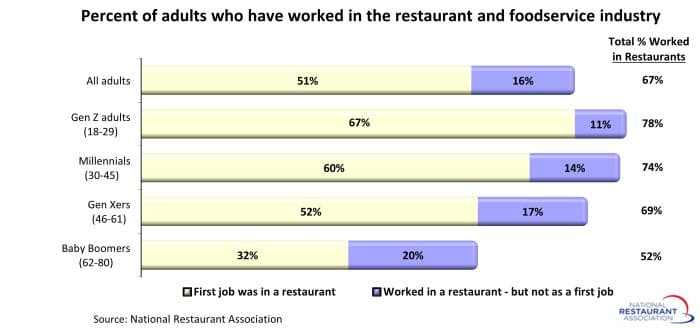
The restaurant labor pool is not a generic hourly workforce. The National Restaurant Association says the sector accounts for roughly 15.7 million jobs, workers are younger and more diverse than the overall U.S. workforce, more than 27% are enrolled in school, and restaurant employees are three times more likely than the total workforce to be under 25. It also says the industry employs more minority and female managers than any other sector in the economy.
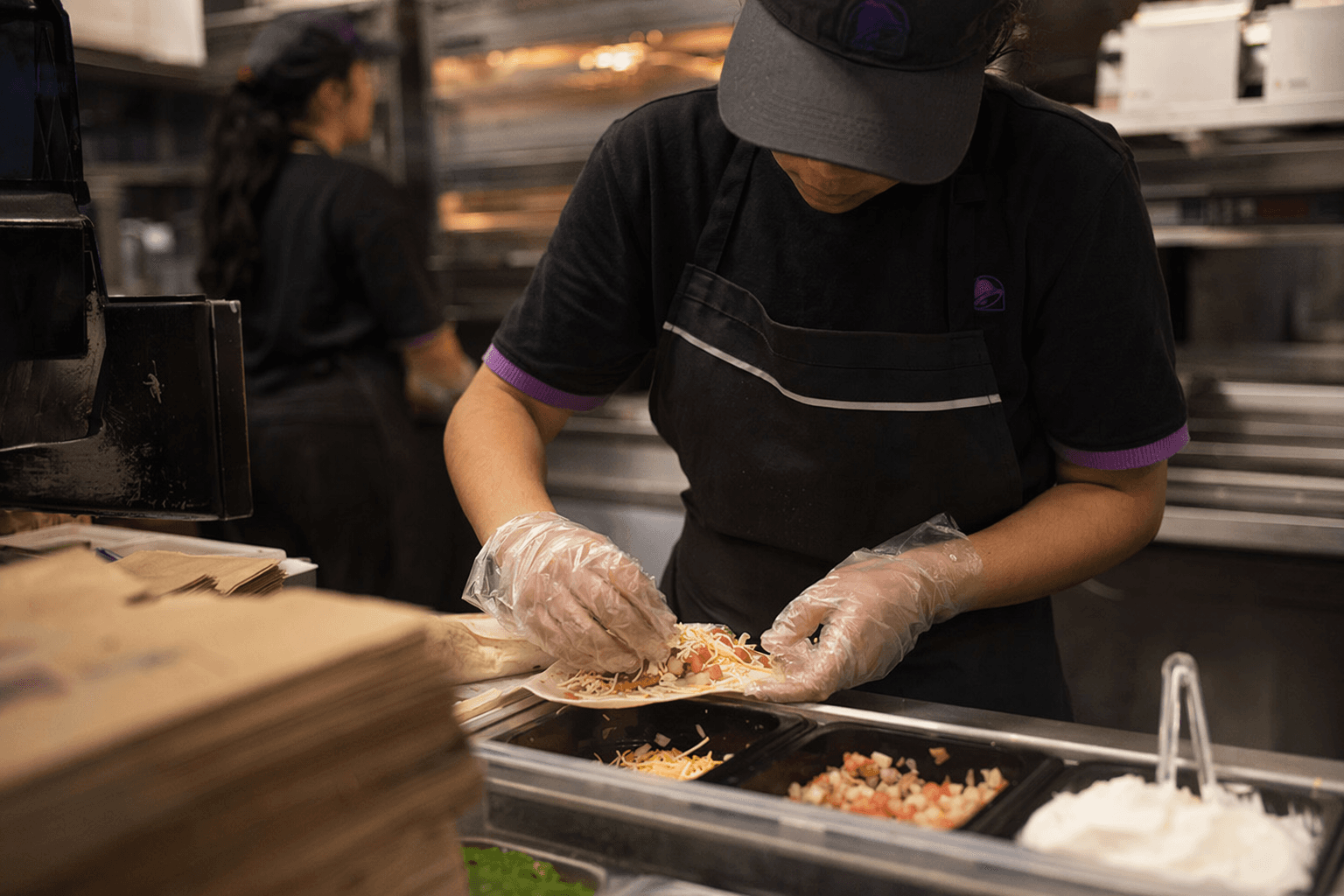
That profile should change how Taco Bell leaders think about operations. A workforce that is younger, student-heavy, and more diverse does not respond well to rigid scheduling, vague training, or invisible promotion paths. The practical lesson is simple: if management designs the store around an older, fully available, career-stable worker, it will miss the reality of who is actually on the clock.
Scheduling has to fit student life, not fight it
When more than 27% of restaurant workers are enrolled in school, schedules are not just a labor-planning issue. They are the difference between a dependable team and a churn cycle. Students are often juggling classes, exams, child care, second jobs, and transportation gaps, so a manager who assumes open availability is building on fiction.
At Taco Bell, that means predictable shifts matter as much as coverage. Post schedules early, keep swap rules clear, and avoid last-minute changes that punish the workers most likely to be balancing classes. Flexible scheduling is not a perk in this environment; it is a retention tool that helps stores keep experienced crew members instead of constantly retraining new ones.
Managers also need to stop treating limited availability as lack of commitment. A worker who can only close on certain nights may still be one of the most reliable people in the building. If the schedule matches the worker’s school calendar and transit reality, the store gets steadier attendance, fewer callouts, and better morale without having to overspend on labor.
Shorter, sharper training beats long, forgettable onboarding
A younger workforce changes how people learn on the job. Crew members who are new to work may not need more content, but they do need clearer content, delivered in smaller pieces and repeated in the flow of the shift. Long classroom-style training sessions can lose the very people Taco Bell relies on most, especially students who cannot disappear for hours at a time.
The report’s demographic picture points toward training that is brief, practical, and easy to revisit. That means focusing on the tasks that determine whether a shift runs smoothly: order accuracy, speed, clean handoffs, safe food handling, and how to escalate problems fast. When training is designed around quick mastery and repeated reinforcement, workers are more likely to actually use it on a busy line.
This matters because a workforce with lots of first-time or younger employees can feel underprepared if managers assume people will “figure it out.” They will not, at least not consistently. Stores that invest in short, effective training reduce mistakes, lower stress, and make the first month less punishing, which is often the moment when turnover starts.
Promotion has to be visible, not whispered about
The report’s age data also has a management implication: if the workforce skews younger, the path from crew member to shift lead or general manager has to be obvious. In fast food, people do not stay for abstract promises. They stay when they can see the next rung on the ladder, understand what skills unlock it, and believe the process is fair.
That visibility is especially important in a chain like Taco Bell, where the store floor often includes workers trying to build a first résumé or a real career. If employees do not know what counts as readiness for shift lead, or if advancement appears to depend on favoritism, they will assume the job has no future. That is how a training expense turns into turnover instead of a pipeline.
The report also matters because the industry employs more minority and female managers than any other sector. That should push Taco Bell leaders to treat promotion and daily respect as linked problems. When stores promote equitably and protect people from disrespect, they build a leadership bench that reflects the workforce already doing the work.
Communication has to match a diverse, fast-moving crew
A younger, more diverse workforce changes how managers should communicate. Workers in this environment are less likely to respond well to one-way, last-minute verbal instructions that disappear the moment the rush starts. They need instructions that are clear, repeatable, and written down when the stakes are high, especially for schedule changes, role expectations, and store priorities.
That is not about style, it is about compliance and retention. If a store manager gives one version of a rule to one crew member and a different version to another, the result is confusion, resentment, and avoidable mistakes. A team balancing school and work has limited bandwidth; managers who communicate cleanly make it easier for workers to show up and succeed.
Respect matters here too. The fact that the restaurant industry employs more minority and female managers than any other sector makes clear that the front line already includes a broad range of leadership talent. Stores that ignore that reality, or tolerate uneven treatment, are wasting the very advantage the industry has in developing managers from within.
Why this should change retention decisions now
For Taco Bell leaders, the workforce profile is not trivia and it is not branding. It is an operating manual hidden in plain sight. If the employee base is younger, student-heavy, and more diverse than the overall labor market, then turnover will not be solved by slogans or one-off incentives. It will be solved by schedules that respect school, training that sticks, and promotions that feel real.
Crew members should read that as a sign the job is not a dead end. The restaurant industry remains one of the biggest employment engines in the country, and its manager ranks already show real upward mobility for people who start on the floor. Managers should read it as a warning that flexibility is not softness, it is how you keep the store staffed with people who know the rhythm of the business.
The stores that take this seriously will spend less time replacing people and more time developing them. That is the part of the workforce story that matters most: the demographic mix is not a challenge to work around, it is the foundation for how Taco Bell should run its shifts, train its teams, and grow its next managers.
This article was produced by Prism’s automated news system from verified source data, official records, and press releases, then run through automated quality and moderation checks before publishing. The system is built and supervised by the people who set the standards it runs under. Read our full AI policy.
Did this article answer your question?