Starbucks sees smaller stores driving 5,000 more U.S. openings
Starbucks says compact drive-thru stores could unlock 5,000 more U.S. openings, a sign Taco Bell crews may face tighter speed and staffing pressure.
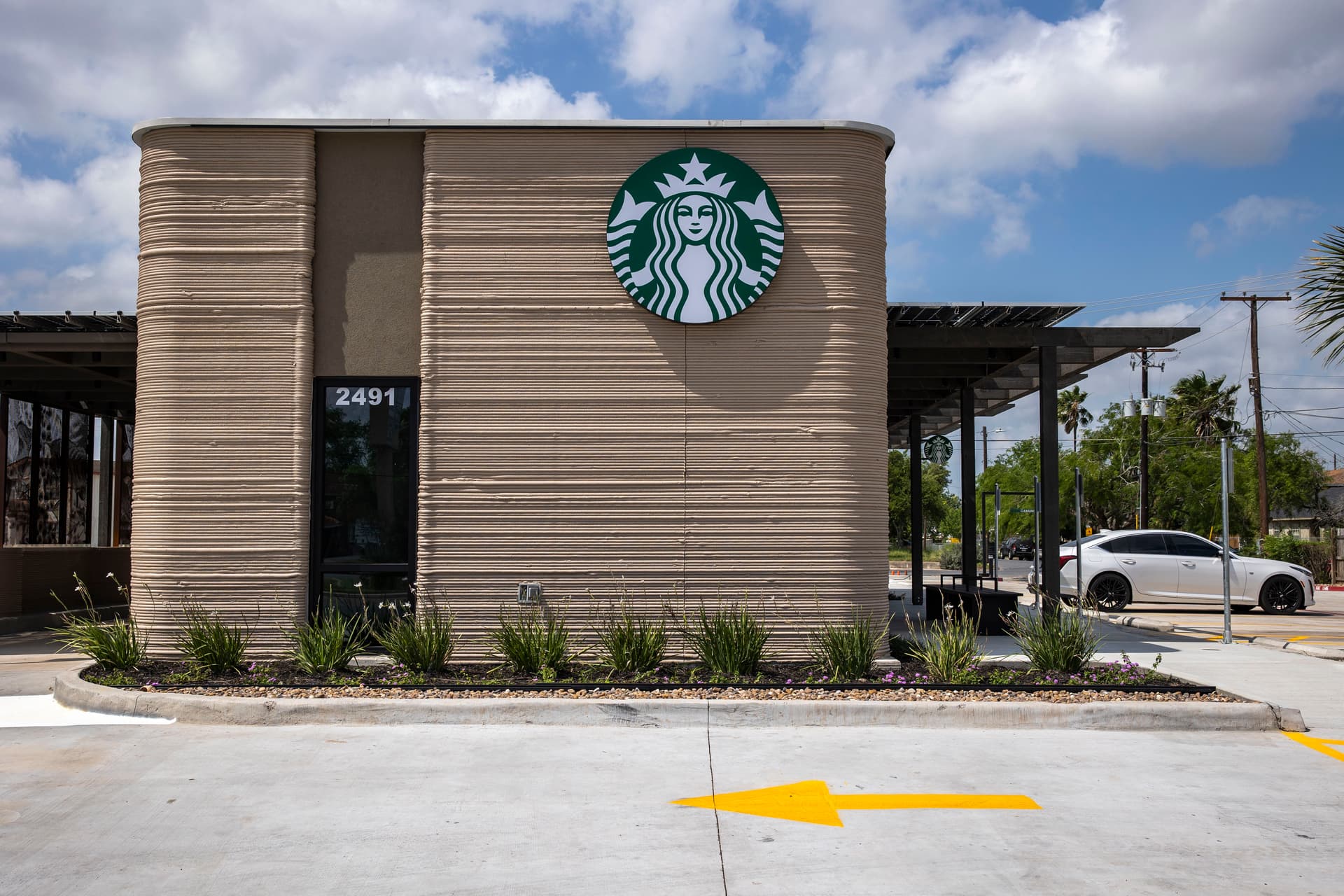
Starbucks is betting that smaller stores, especially drive-thru-heavy formats, will open up another 5,000 U.S. coffeehouses over time, with as many as 10,000 eventually in reach. For Taco Bell crews, the bigger takeaway is not coffee but the operating model behind it: thinner footprints, faster throughput, and a store built around pickup and drive-thru demand instead of a full front counter.
The company said on January 29 that it planned more than 2,000 net new stores globally through fiscal 2028, including about 400 net new U.S. company-operated stores. Starbucks also said its smaller-format stores are 20% cheaper to build while still offering seating, drive-thru service, and mobile-order pickup. Executives said the brand remains underpenetrated in many markets, with thousands of U.S. sites where no Starbucks operates within a mile of a competitor, and pointed to the Central U.S., the South, and parts of the Northeast as the strongest expansion zones. Same-store sales were up 7.1% last quarter and transactions rose 4.3%, even as traffic still lagged 2018 and 2019 levels.
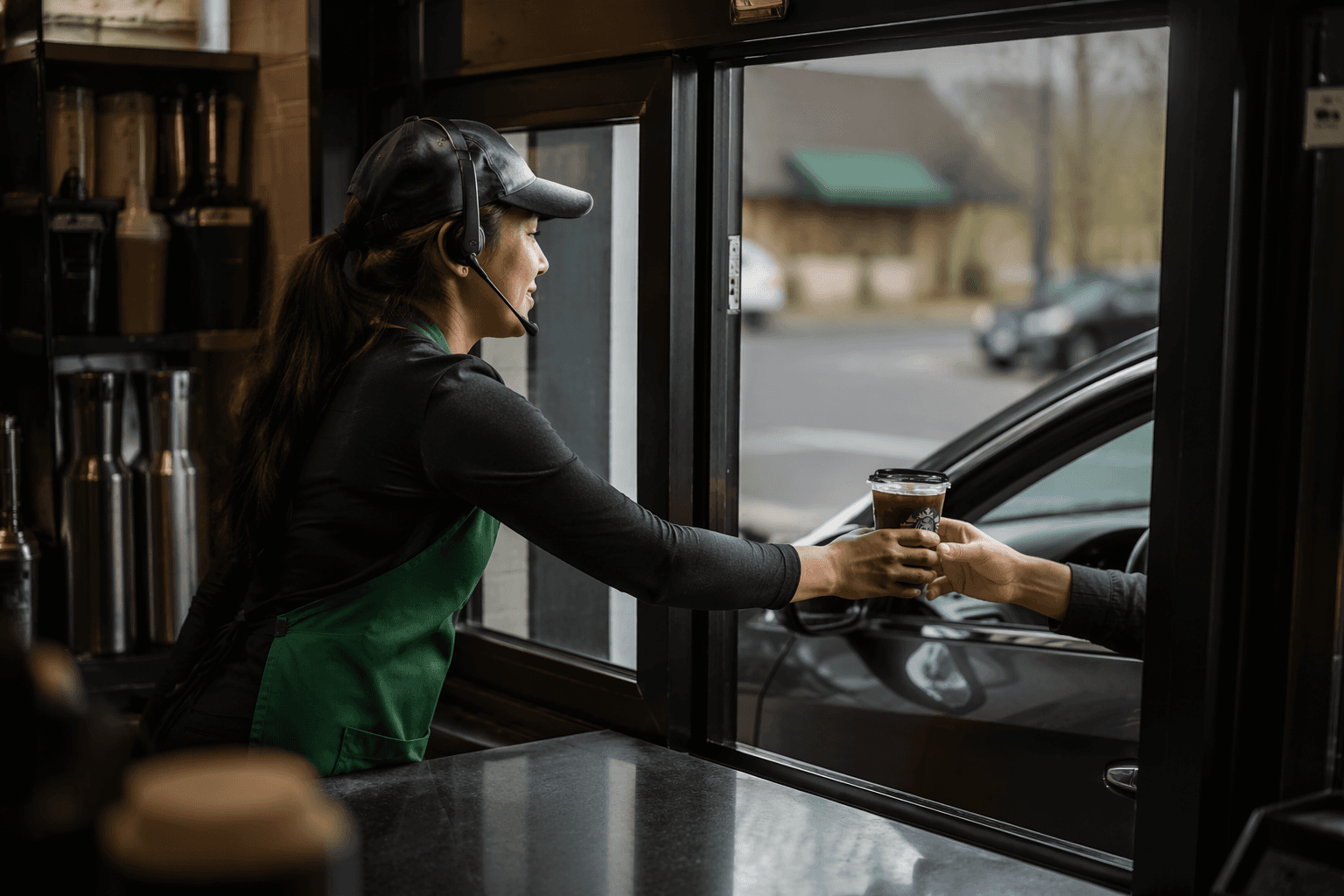
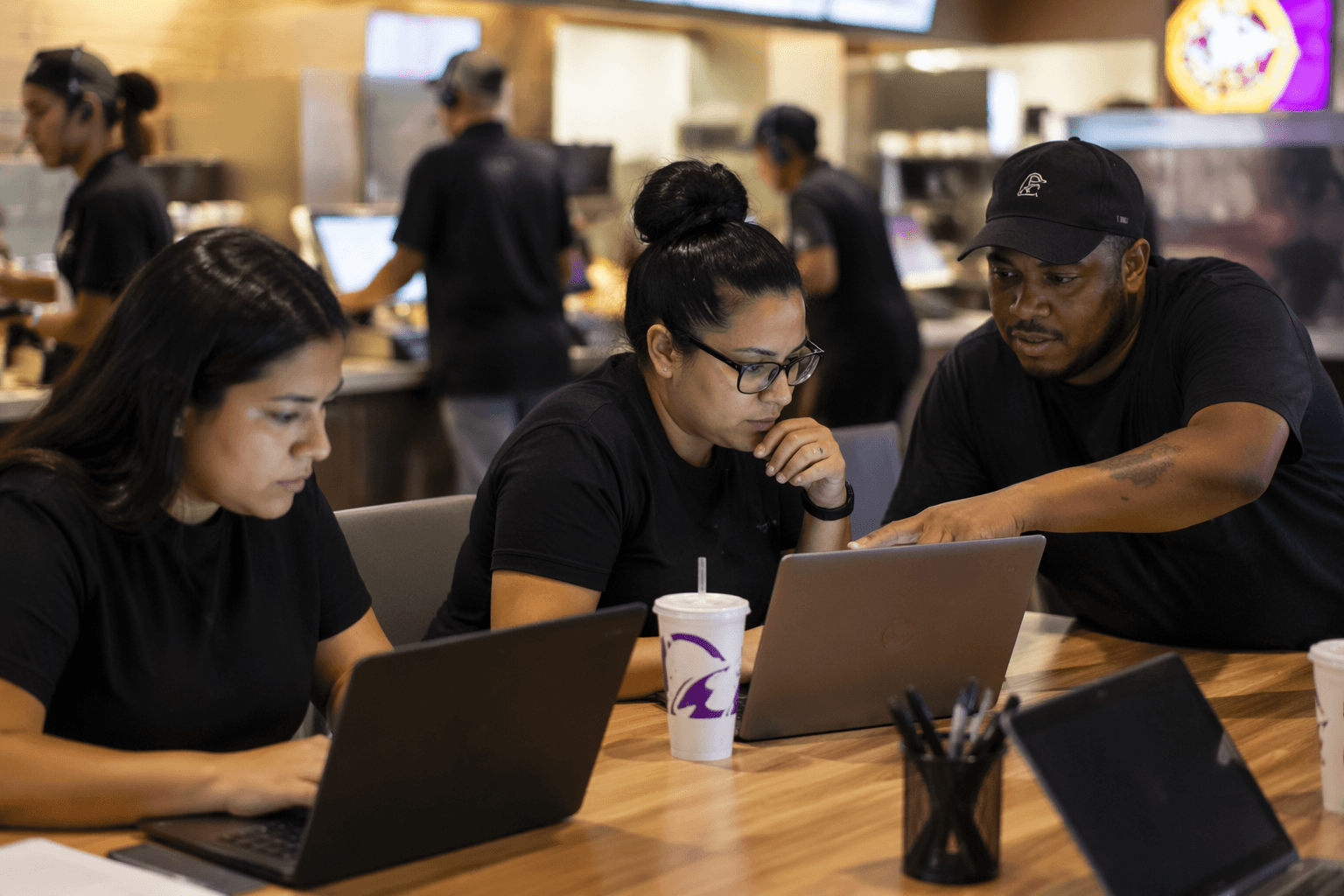
That matters on a Taco Bell shift because the industry is moving toward restaurants that can do more business with less square footage and more disciplined labor planning. The National Coffee Association said 59% of U.S. coffee drinkers who bought coffee outside the home in the prior week used a drive-thru, an all-time high, which helps explain why brands are redesigning around speed instead of dine-in volume. In practice, that means tighter openers, cleaner handoffs between make line and window, stronger mobile-order execution, and more pressure on managers to staff by daypart instead of carrying extra bodies through slower stretches.
Taco Bell has already been heading in that direction. In August 2023, the chain said it was on track to operate 10,000 U.S.-based restaurants and pointed to its Go Mobile restaurant in El Paso, Texas, as a digital-forward small-box model with more touchpoints than any other Taco Bell at the time. The company said on October 23, 2025, that its company-owned restaurant retention improved 17% year over year and general manager vacancy fell 27%, a reminder that smaller, faster formats still depend on keeping experienced people in place.

The competitive lesson is simple: if Starbucks can use a smaller footprint to widen its U.S. map, other chains will feel pressure to match that efficiency. For Taco Bell, that can translate into more demand for flexible staffing, tighter station discipline, and a shift culture built around speed on breakfast, lunch, and late night. Howard Schultz once talked about adding 10,000 stores by 2025; Starbucks’ latest plan is more targeted, with up to 175 new U.S. coffee shops in 2026 and around 400 by 2028. The growth story now is less about blanketing the map and more about winning every minute of the day.
This article was produced by Prism’s automated news system from verified source data, official records, and press releases, then run through automated quality and moderation checks before publishing. The system is built and supervised by the people who set the standards it runs under. Read our full AI policy.
Did this article answer your question?