Study: California fast-food wage hike linked to lower staffing levels
A Northeastern analysis of 10,000 California fast-food restaurants found staffing fell 8% after the state’s $20 wage took effect.

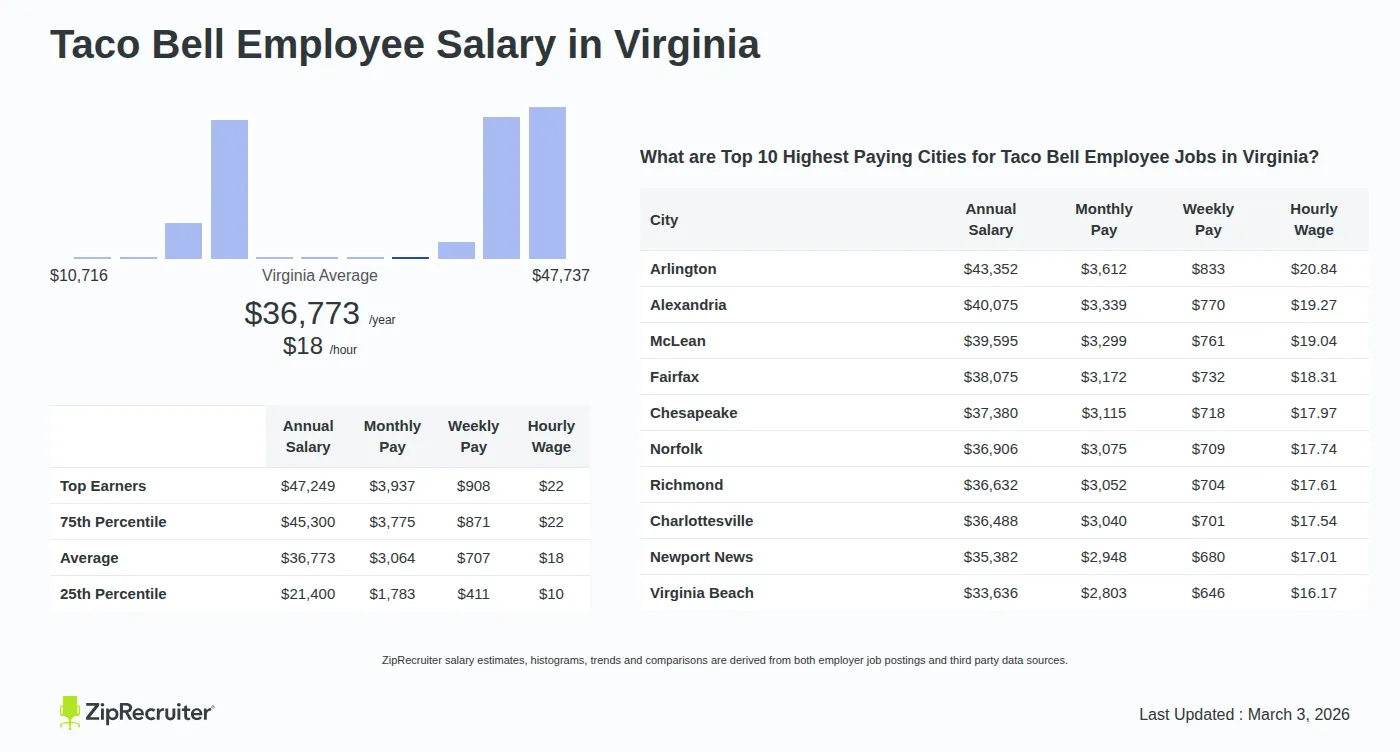
When California raised fast-food pay to $20 an hour, the immediate question for crews was whether the money would stick or get clawed back somewhere else. A Northeastern University analysis suggests one place it did: staffing. Hitanshu Pandit found an average 8% drop in on-site staffing at California fast-food restaurants after the wage hike, and estimated that each $1 increase in wages corresponded to a 3% reduction in staffing.
That matters because the policy did not stop at the pay stub. Pandit used cellphone GPS and other mobility data to track staffing trends at just over 10,000 California fast-food restaurants before and after the law took effect, treating location data as a proxy for who was actually on the floor. The analysis, published in Applied Economic Letters in early March and highlighted again on April 24, points to a pattern restaurant workers know well: when payroll gets tighter, the pressure often shows up as fewer hands on shift, more station overlap and a thinner margin for mistakes.
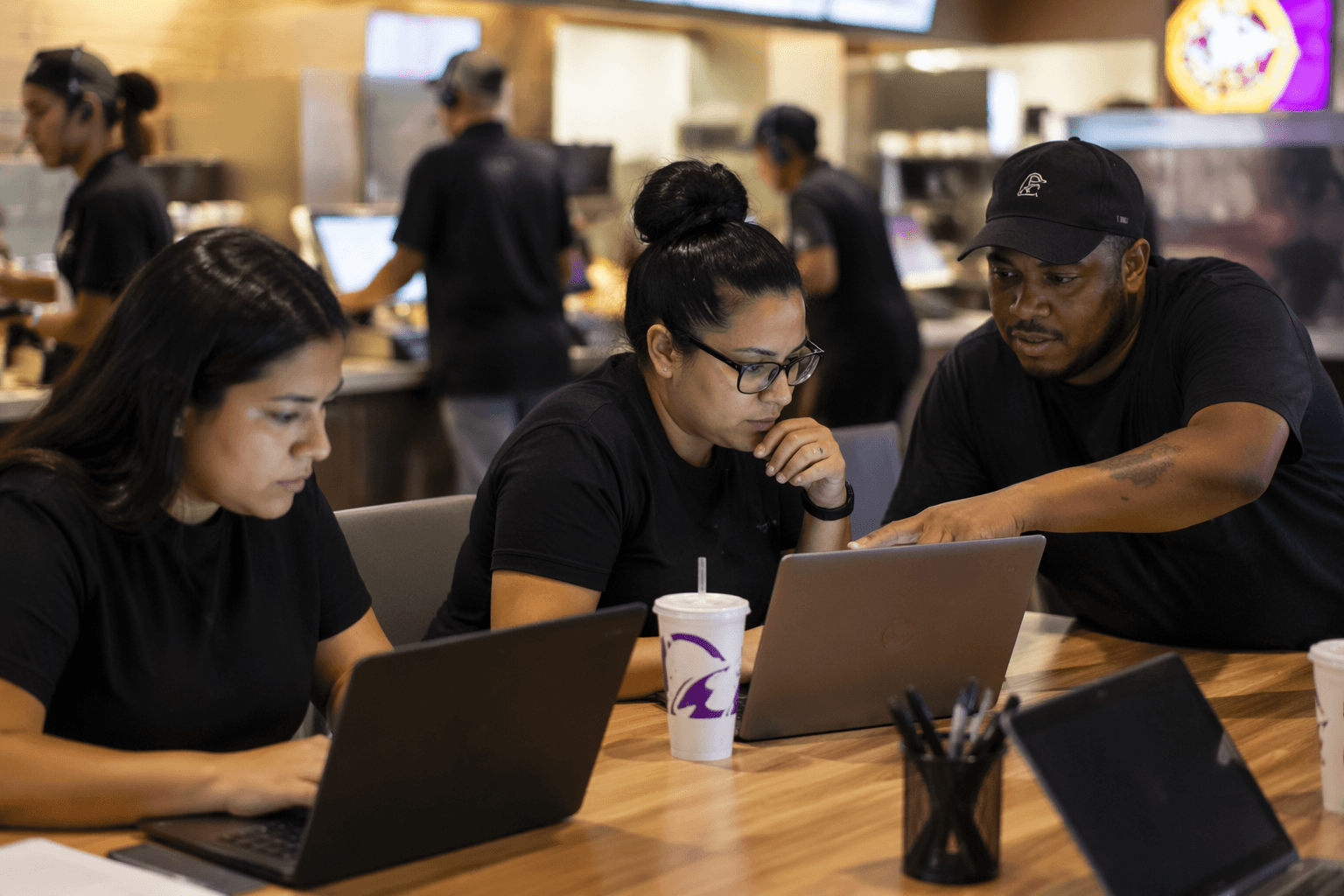
For Taco Bell crews, that can mean more than a smaller headcount. A shift that once had enough people to cover front counter, drive-thru, prep and expo can turn into a scramble where one person is forced to bounce between lanes, orders and restocking. Managers then feel the squeeze from the other side of the ledger, because throughput targets do not get any easier when the crew gets smaller. The study’s findings also raise the possibility that operators respond to wage costs by leaning harder on technology, trimming hours or changing the labor mix.
That is especially relevant at Taco Bell, where Yum! Brands said in July 2024 that it would expand Voice AI across hundreds of U.S. drive-thrus by the end of that year. Taco Bell had already been pushing a more digital-forward operating model in August 2023, pairing back-of-house technology with a long-range goal of 10,000 restaurants. In practice, that means wage policy and tech policy are now moving together, and workers are the ones who feel the combined effect first: fewer people scheduled, more multitasking and more automated touchpoints in the customer flow.
The California law took effect on April 1, 2024, under AB 1228, and applied to chains with at least 60 locations nationwide. State officials said California had roughly 500,000 fast-food workers when the law was signed. The measure came after years of friction over the earlier FAST Act and AB 257 fight, which created the Fast Food Council and triggered fierce debate over wages, prices and franchise economics.
The debate is not settled. Some later research has disputed the size of the staffing hit, but the operational question is already clear for Taco Bell managers and crew: if pay rises, the next battleground is often the schedule, the station chart and the machines taking over pieces of the shift.
This article was produced by Prism’s automated news system from verified source data, official records, and press releases, then run through automated quality and moderation checks before publishing. The system is built and supervised by the people who set the standards it runs under. Read our full AI policy.
Did this article answer your question?