White Castle expands hot-food kiosks, signaling automation shift for Taco Bell workers
White Castle’s 1,000-kiosk push shows fast-food automation is scaling up, and Taco Bell crews should expect less cashiering and more production-room work.
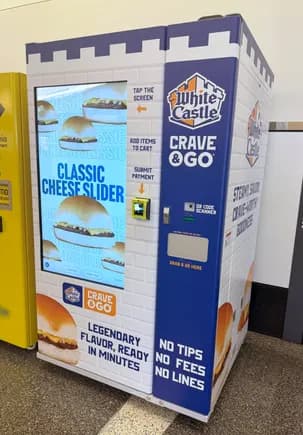
White Castle’s plan to roll out Crave & Go hot-food kiosks to 1,000 locations marks a shift from small tests to a broader fast-food operating model, and Taco Bell workers should read it as an early warning. The move reaches beyond restaurants into campuses, hospitals and workplaces, where the pressure to serve faster with leaner staffing is even stronger. For Taco Bell, the real issue is not the kiosk screen itself. It is how much of the front counter, order-taking and guest routing can be handed to software before the labor plan changes with it.
White Castle said the kiosks are meant to meet customers when cravings strike while still delivering the hot-food quality the brand is known for. Its first exclusively branded hot-food kiosk opened at Boston Logan International Airport in late 2025, and it could serve fresh sliders in about two minutes. That airport test showed how quickly a kiosk can turn a branded food item into a grab-and-go transaction. The 1,000-unit rollout suggests that model is no longer experimental. It is becoming a template for where quick-service chains want to place food, and how few employees they want standing between the customer and the order.
Taco Bell has been moving in the same direction for years. In 2019, the chain had quietly installed kiosks in about 4,000 restaurants, out of roughly 6,600 U.S. locations at the time, and then-president Julie Felss Masino said customers liked kiosk ordering because it let them customize meals the way they did in the mobile app. In March 2023, Taco Bell opened a digital-forward Go Mobile restaurant in El Paso, Texas, with more digital touchpoints than any other Taco Bell restaurant. By August 2023, the chain said it was on track to operate 10,000 U.S.-based restaurants in the coming years.
The next staffing pressure point is the division of labor. In July 2024, Yum! Brands said Voice AI was already in more than 100 Taco Bell drive-thrus across 13 states and was headed to hundreds more by the end of that year. Yum! said the goal was to ease task load, improve order accuracy and reduce wait times. In practice, that kind of rollout usually pushes managers to rethink who is scheduled for the dining room, who stays on production, and how many people are needed at the front counter at all.
That is why White Castle’s expansion matters to Taco Bell crews. Taco Bell franchisee Diversified Restaurant Group has said kiosks can support customization, suggestive selling and higher average checks. Those are the same reasons operators keep investing in automation, and they point to the likely worker outcome: fewer repetitive cashier tasks, more blended roles, and tighter labor deployment around the parts of the store that still need a person.
This article was produced by Prism’s automated news system from verified source data, official records, and press releases, then run through automated quality and moderation checks before publishing. The system is built and supervised by the people who set the standards it runs under. Read our full AI policy.
Did this article answer your question?