Taco Bell adds cold brew lineup as beverage sales strategy grows
Taco Bell is betting on cold brew to drive traffic, while Pizza Hut leans on nostalgia and Red Robin leans on AI cost cuts. For crews, that means more drink work and more pressure on the clock.
Taco Bell’s newest growth play is not another taco or a bigger value box. It is a beverage push, and it puts the chain in the same traffic race as Pizza Hut and Red Robin, which are leaning on nostalgia and AI to squeeze more guests and margin out of the same footprint.
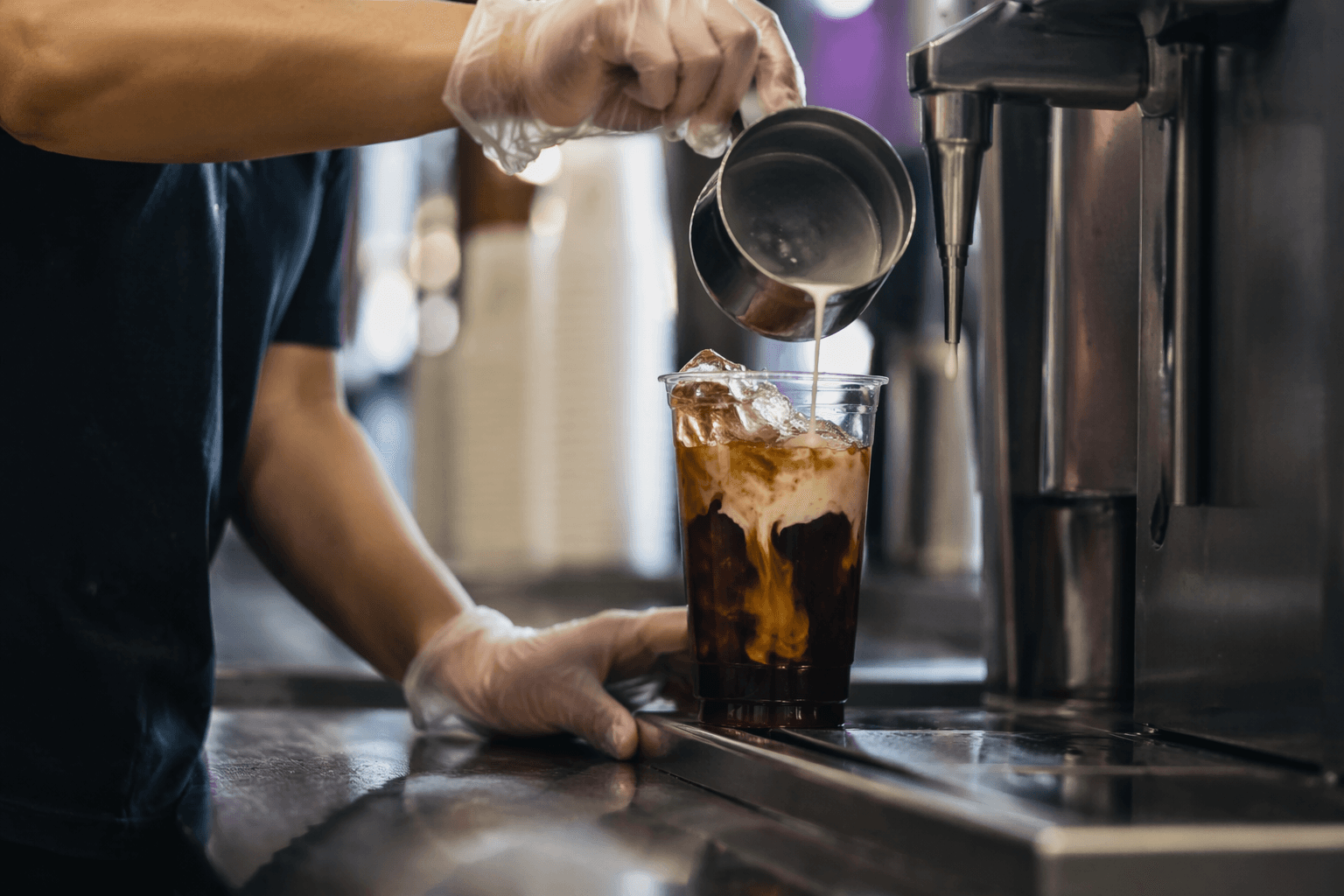
The clearest signal came with Taco Bell’s first-ever Cold Brew lineup, which launched May 21 at Live Más Café locations. The drinks sell in 16-ounce and 20-ounce cups for $4.59 and $4.99, and Taco Bell says they use a proprietary blend of medium and dark roast Arabica beans sourced from Latin America. The company has said it wants beverage sales to reach $5 billion a year by 2030, a target that turns drinks from a side station into a core business bet.
That matters on the line. Taco Bell’s Live Más Café menu already includes more than 20 drinks, among them Churro Chillers, Refrescas, and iced and blended coffees. As the concept scales from its Chula Vista test to 30 more restaurants across Southern California and Texas, drink execution becomes part of the daily workload, not an occasional add-on. More beverage variety means more training, more prep discipline, and more chances for a bottleneck when orders stack up during the lunch rush or late-night drive-through spike.
Taco Bell is not making that move in a vacuum. Yum! Brands is also reviving old-school Pizza Hut in about 155 U.S. restaurants, bringing back red cups, checkered tablecloths, vinyl booths, Tiffany-style lamps, arcade games, and the red roof design. That is a different traffic theory altogether: nostalgia as a reason to come inside and linger. Taco Bell’s answer is the opposite, a premiumized beverage strategy that aims to change what customers order and how often they stop.
Red Robin offered the third path. In fiscal first-quarter 2026 results reported May 19 for the quarter ended April 19, the company said restaurant-level margins rose to 14.8 percent, up 50 basis points and the best in five years. Management credited leaner labor scheduling, which it said saved 130 basis points on labor costs, and some managing partners are using ChatGPT to help with labor scheduling and food costs. That is the labor-control version of the same industry problem: get more from the business without making the operation collapse under its own weight.
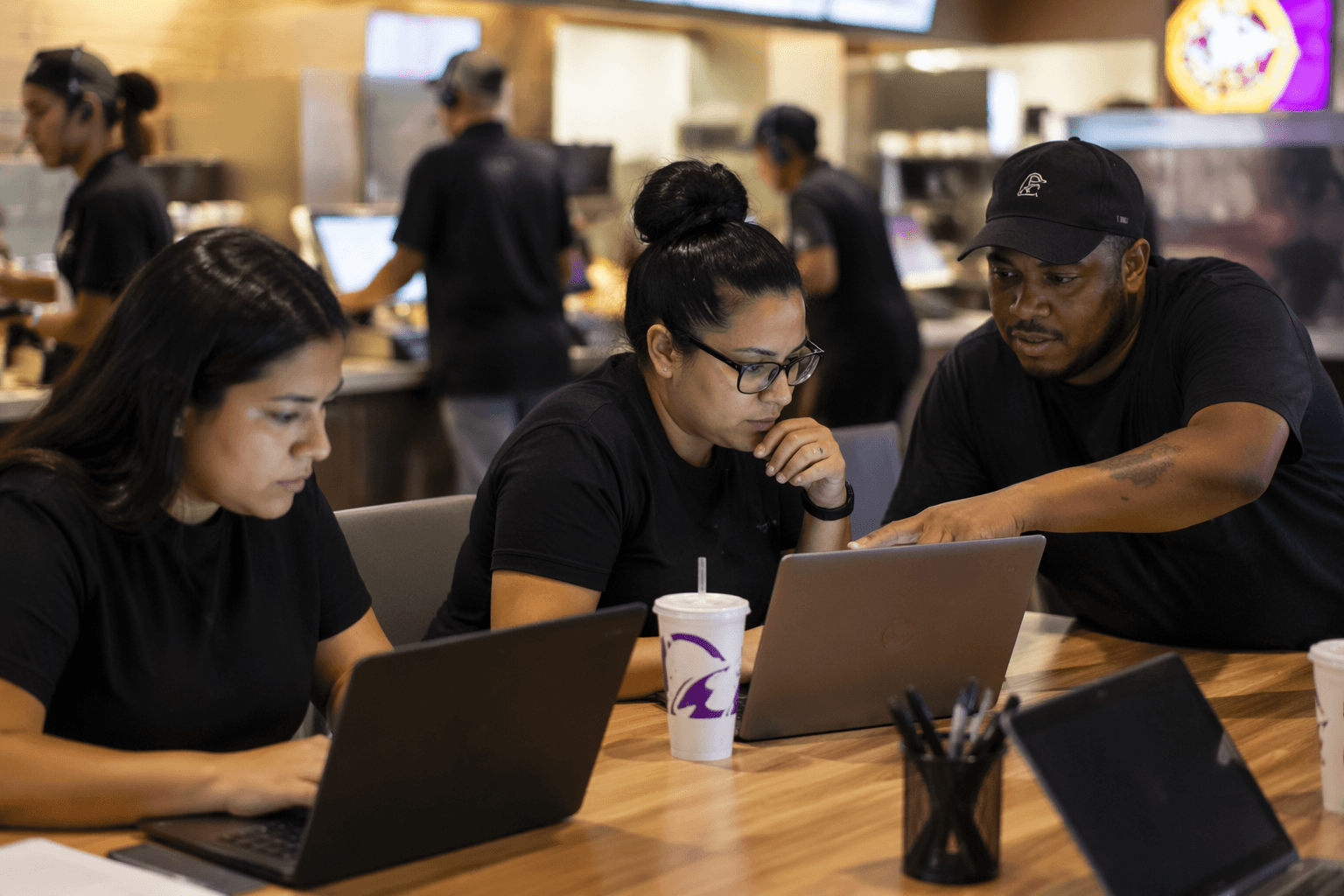
For Taco Bell workers and managers, the takeaway is straightforward. The company is betting that beverage sales can do real traffic work, and that means more drink assembly, tighter upselling pressure, and more staffing strain at peak hours. In this round of restaurant competition, Taco Bell is choosing the cup.
This article was produced by Prism’s automated news system from verified source data, official records, and press releases, then run through automated quality and moderation checks before publishing. The system is built and supervised by the people who set the standards it runs under. Read our full AI policy.
Did this article answer your question?