Taco Bell and Taylor Farms navigate shared food-safety crisis
A lettuce recall turned a supplier problem into a shift-level Taco Bell issue: ingredient pulls, customer questions, waste, and tighter manager calls.
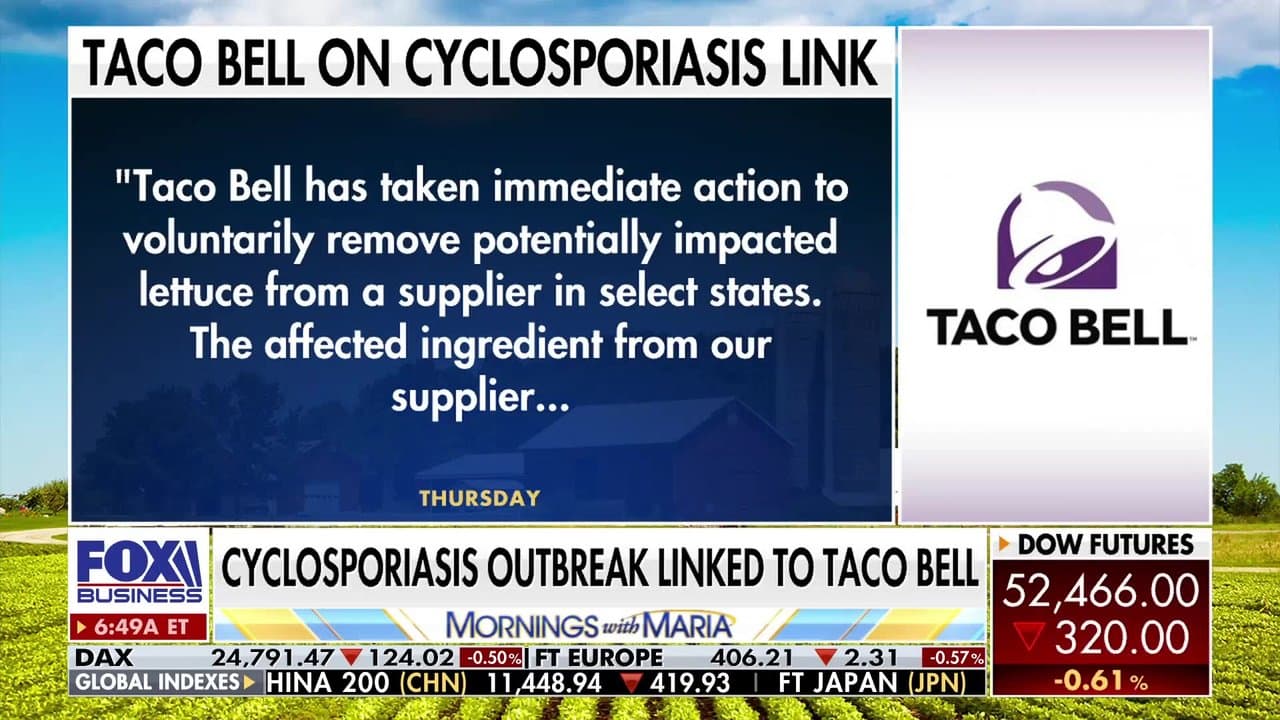
Federal health authorities linked a July 2026 cyclospora outbreak to shredded iceberg lettuce served at Taco Bell, turning the issue into a store-floor problem that starts with the walk-in, moves through the prep line, and lands in the hands of the first shift manager who has to explain why a menu item just changed, why food is being thrown out, and why the team has to stay calm while guests ask questions.
The FDA and CDC tied the outbreak to iceberg lettuce across five states, with 1,644 cases, and Taco Bell said on July 17 that it had completed removal of the affected Taylor Farms lettuce from its restaurants.
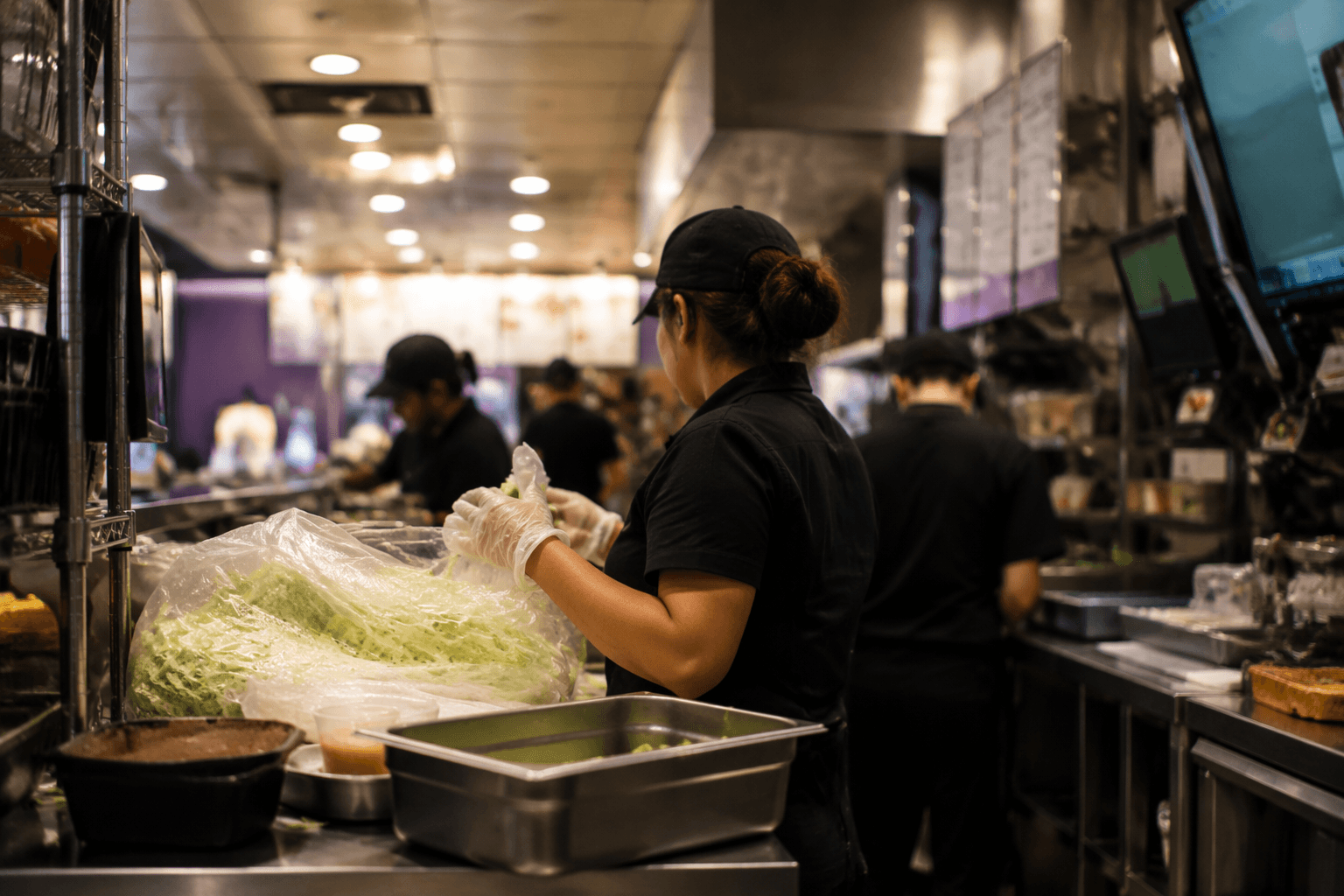
What the crisis looks like inside a store
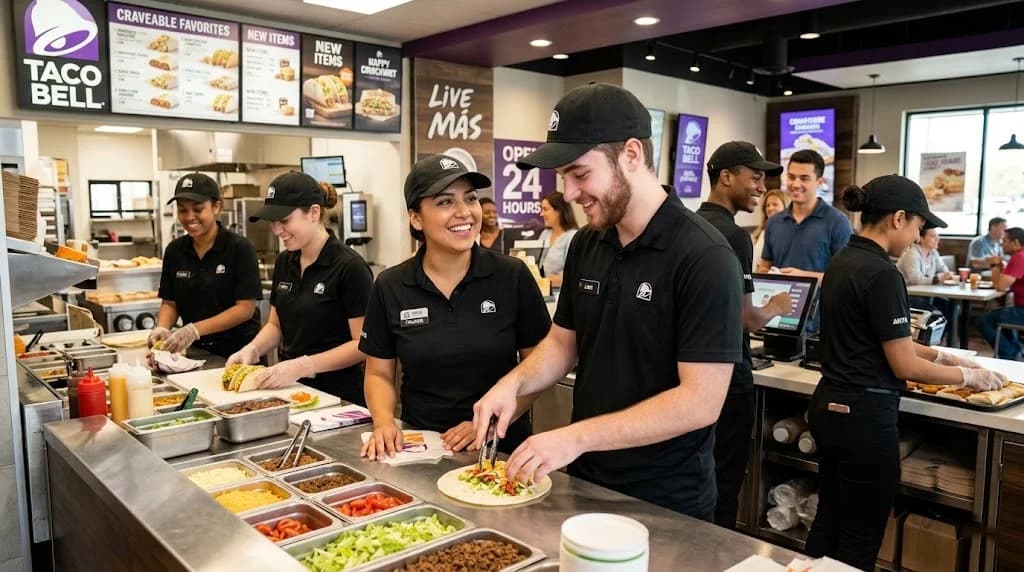
For the crew, the first operational consequence is ingredient removal. Once a product is flagged, managers have to pull it from storage, stop it from moving through prep, and make sure no one uses a contaminated or affected case by mistake. That creates immediate waste and often slows the pace of service, because the team may have to adjust pars, remake product, and shift to temporary substitutions or menu availability changes.
This is where a supplier-linked crisis feels different from a one-store food-safety issue. The restaurant is still expected to open on time, move customers through the line, and keep the drive-thru flowing, even while it is handling a recall-level problem behind the counter. If the lettuce is gone, the work does not disappear, it just gets redistributed across a team that is already operating on a tight labor schedule.
The safety protocol itself also becomes part of the daily job. Crew members need clear direction on what gets tossed, what stays, and what gets logged, while shift leaders document the removal and keep everyone aligned so the same product does not re-enter the line by accident.
What customers hear at the counter matters almost as much as the recall
The biggest front-line risk in a situation like this is inconsistency. One location cannot tell a customer one story while another location gives a different answer, especially when social media and news alerts are already feeding the same customer questions before they walk in the door.
Taco Bell said its affected Taylor Farms lettuce had been removed from restaurants, and its statement was posted on Instagram on July 17. A guest who has seen an outbreak alert online will often ask the cashier or drive-thru worker first, and the store has to answer in a way that matches corporate guidance exactly.
For managers, that means the talking points have to be simple and repeatable: the affected lettuce is out, the store is following safety steps, and the restaurant can still serve safely within the updated menu setup. The difference between a steady team and a rattled one is often whether the manager has already briefed the crew before the first customer asks.
Why Taylor Farms matters to Taco Bell workers, not just to the brand
Taylor Farms’ role in the outbreak shows how deeply a quick-service restaurant depends on upstream suppliers. Taylor Farms supplied lettuce sold at some Taco Bell restaurants, and federal health officials identified a single supplier of produce from Mexico served in Taco Bell restaurants in five states. That kind of supply-chain concentration means a problem in one source can ripple through many stores at once, including both corporate and franchise operations.
Taylor Farms later recalled iceberg lettuce in 27 states because of the outbreak, which widened the practical impact beyond the first round of removals. For workers, that kind of recall can mean retraining on new product handling, more waste, and more pressure to keep service moving while the kitchen adapts to a changed supply picture. It also creates extra work for managers who need to stay ahead of deliveries, check invoices, and make sure the same affected product is not sitting in a cooler or staged for the next shift.
Cyclospora is a microscopic parasite that causes cyclosporiasis, an intestinal illness associated with severe gastrointestinal symptoms, and the investigation drew in the FDA, the CDC, and state investigators including officials in Michigan.
What this says about crisis readiness in fast food
This outbreak is a stress test for how quickly a restaurant system can turn a supplier alert into a store-level plan. The restaurants that handle it best are the ones where the manager can move from phone call to line check to crew briefing without sending mixed messages or improvising policy on the fly.
The supplier has to remove product, the brand has to communicate clearly, and the store team has to keep serving guests while checking food safety steps and dealing with the labor pressure that comes with any abrupt menu disruption. Workers live with the extra waste, the slower line, the customer questions, and the expectation that the shift still runs cleanly.
This article was produced by Prism’s automated news system from verified source data, official records, and press releases, then run through automated quality and moderation checks before publishing. The system is built and supervised by the people who set the standards it runs under. Read our full AI policy.
Did this article answer your question?