Taco Bell Cantina Opens in Fisherman’s Wharf, Shaping Jobs
Taco Bell opened a new Cantina at 333 Jefferson St. in San Francisco’s Fisherman’s Wharf on December 30, 2025, bringing alcohol service, extended late-night hours and a hospitality-focused layout to the neighborhood. The location’s different service model has immediate operational and staffing implications for employees and managers as Fisherman’s Wharf undergoes broader revitalization.
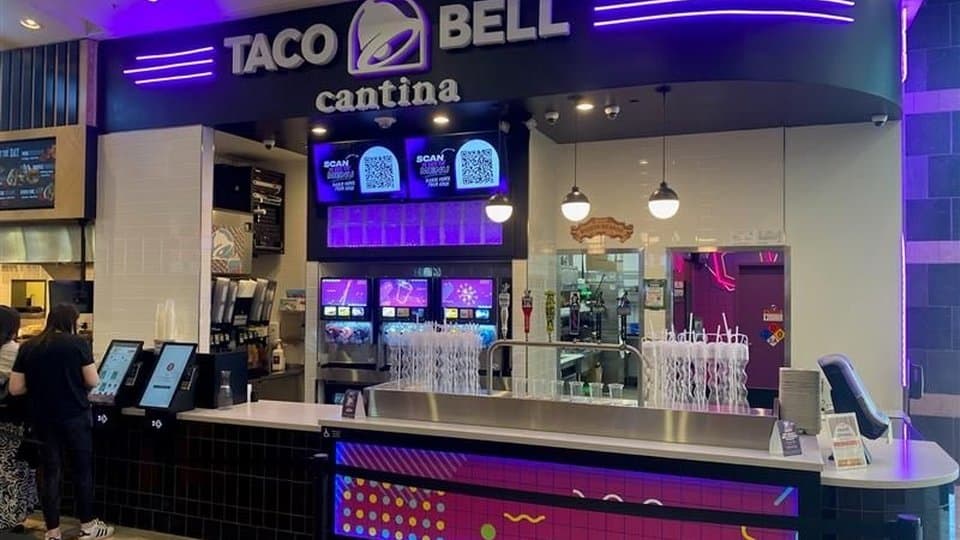
Taco Bell began operating its new Cantina at 333 Jefferson St. on December 30, 2025, marking the chain’s second Cantina in San Francisco and its eighth in the Bay Area. The Fisherman’s Wharf location introduces the Cantina format’s signature features to the tourist corridor: beer, wine and alcoholic “Freezes” or slushies, televisions, a more hospitality-forward interior and extended hours listed from 8 a.m. to 2 a.m.
The opening came as local redevelopment projects have focused on public plaza investments and new restaurants intended to revive foot traffic in the area. The Cantina drew immediate attention on social media, with a Reddit post sharing photos of a busy dining room on the day of opening. For workers, the arrival of a hospitality-leaning fast casual concept alters the nature of day-to-day responsibilities and scheduling.
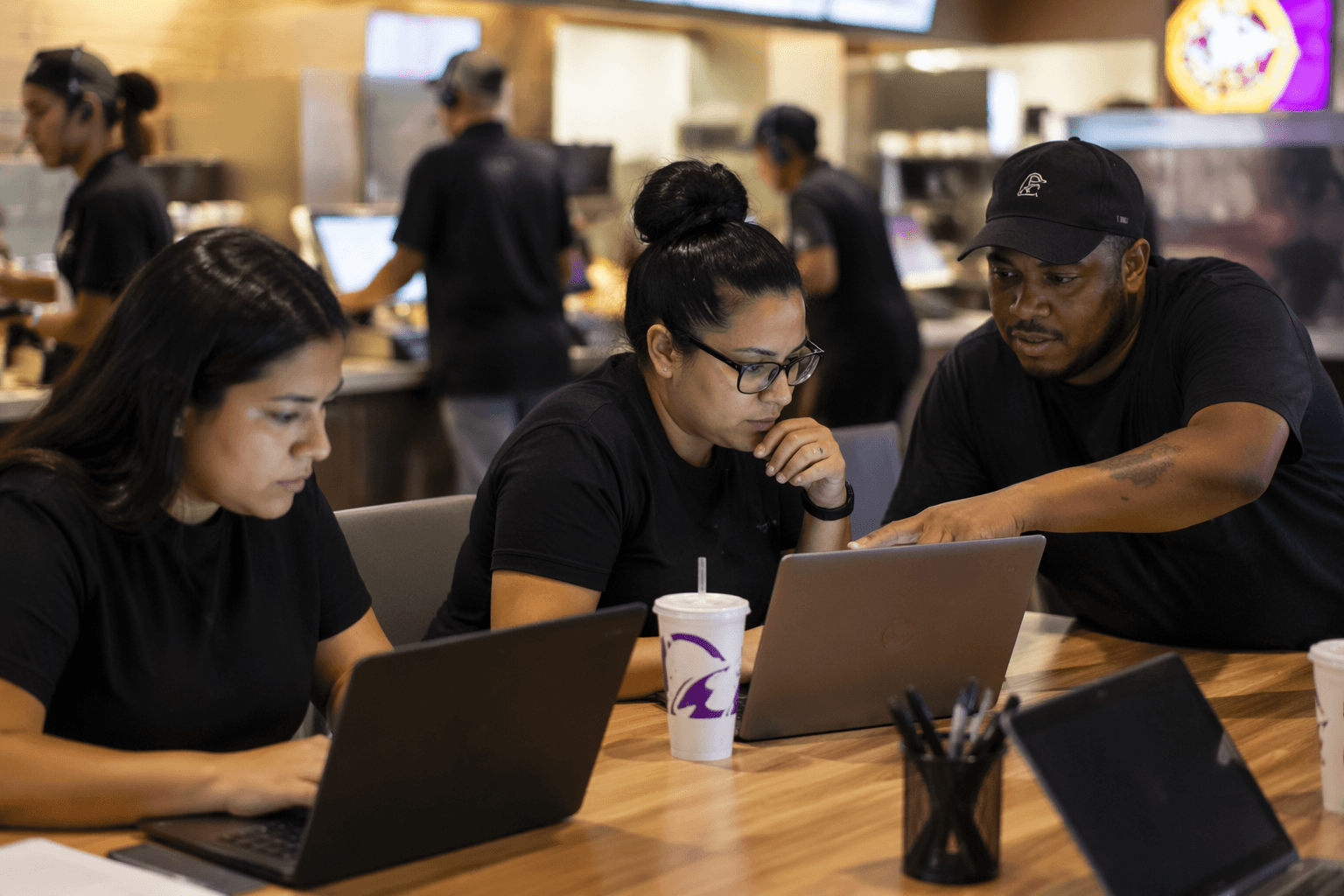
Compared with standard Taco Bell restaurants, the Cantina model adds service elements that translate into new roles and tasks. Managers will need to account for staff who can handle on-premise alcohol service, expanded beverage preparation and hospitality duties similar to bar and serving positions. The format also creates opportunities for Bellrista-style positions focused on specialty beverages and customer-facing service. Those differences carry operational requirements beyond menu changes, including different licensing, alcohol-service training and adjustments to shift scheduling.
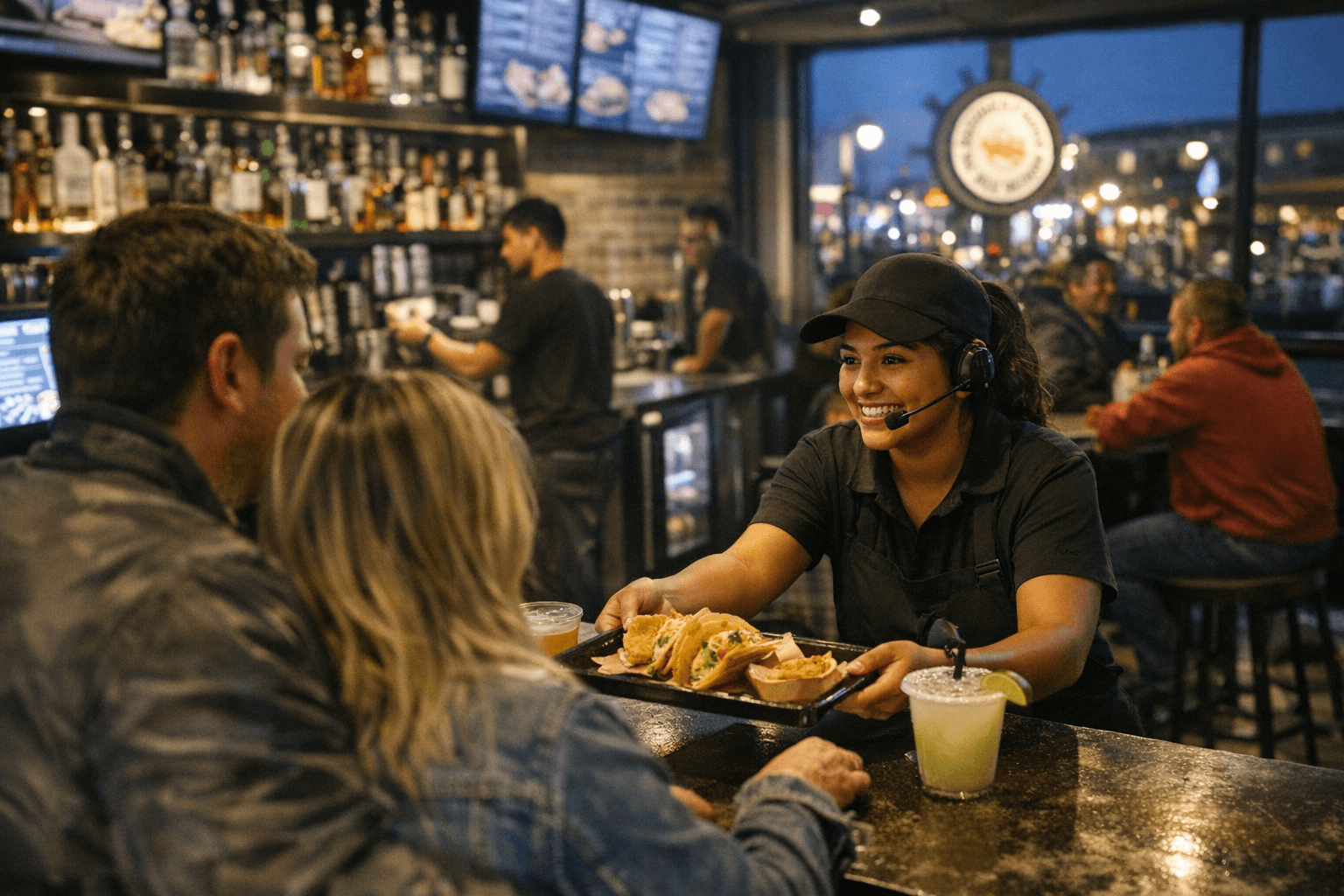
The extended hours are likely to require additional late-shift coverage, which affects hiring, overtime considerations and workplace safety planning. A workforce that previously focused primarily on kitchen and counter duties may see a greater emphasis on hospitality skills, drink preparation and on-floor service. Training programs and hiring pipelines may need to shift to recruit and certify workers for alcohol service and to prepare staff for a later, walk-in driven customer mix.
For Taco Bell as an employer, the Cantina model presents both recruitment opportunities and logistical challenges in an urban tourist district. The format can create new entry points for workers seeking beverage and hospitality experience, but it also increases managerial complexity in staffing, compliance and customer service standards. As Fisherman’s Wharf continues to change with public space upgrades and new dining options, employers and employees will be navigating how these format shifts translate into schedules, roles and workforce expectations.
This article was produced by Prism’s automated news system from verified source data, official records, and press releases, then run through automated quality and moderation checks before publishing. The system is built and supervised by the people who set the standards it runs under. Read our full AI policy.
Did this article answer your question?