Taco Bell Defy rethinks drive-thru service with digital speed
Defy turns Taco Bell drive-thru work into app sorting, lane coordination, and digital handoffs. The big question is whether speed makes jobs easier or just tighter.
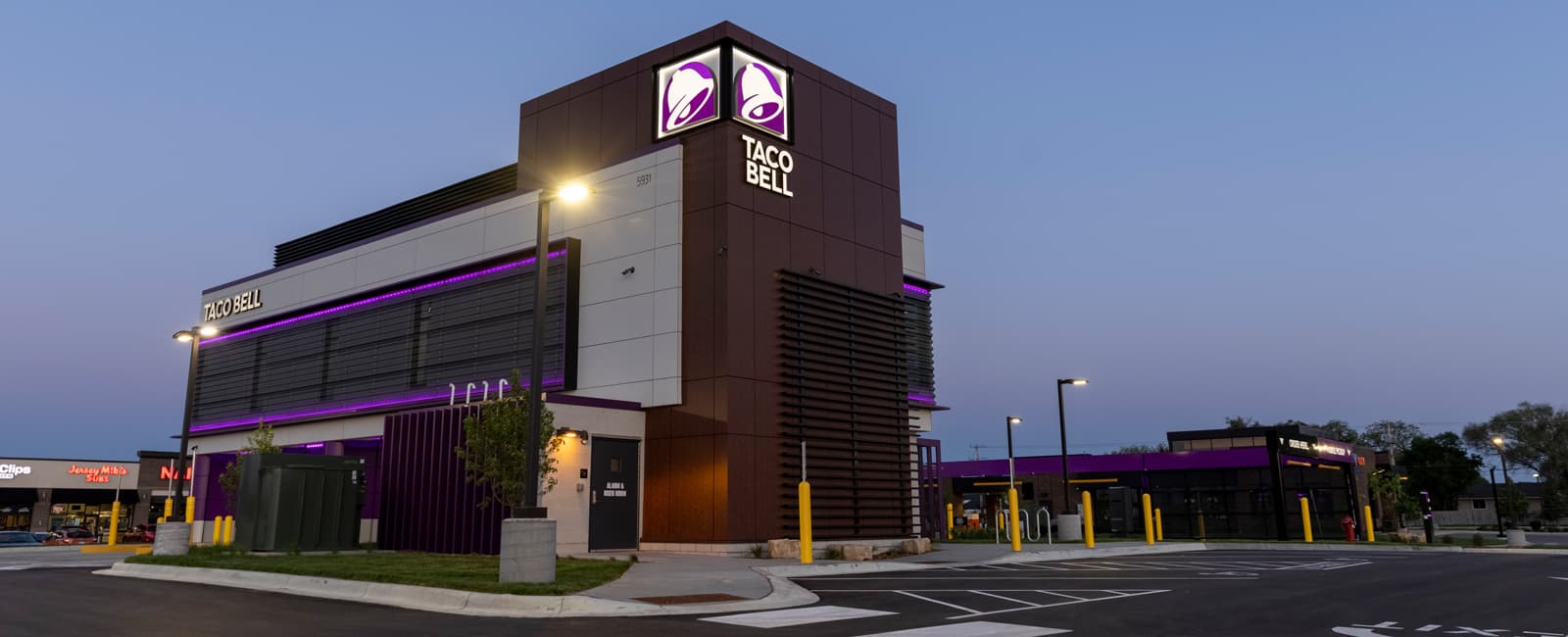
On June 7, 2022, Taco Bell opened Defy in Brooklyn Park, Minnesota, with four drive-thru lanes, digital check-in screens, two-way audio and video, and a vertical lift that carries food from the kitchen down to the lanes. The restaurant broke ground in August 2021, and Taco Bell cast it as one of its most innovative designs yet, built with franchisee partner Border Foods.
What Defy does to the front counter job
The clearest change is that the classic front counter becomes less central. In a Defy-style operation, mobile ordering and digital handoff matter as much as face-to-face order taking, and the Brooklyn Park location prioritizes app-based ordering. Taco Bell had already been moving in this direction years earlier, launching mobile ordering and payment in 2014 and calling itself the first QSR to roll out a mobile ordering-and-payment app at participating restaurants nationwide for both drive-thru and dining room use.
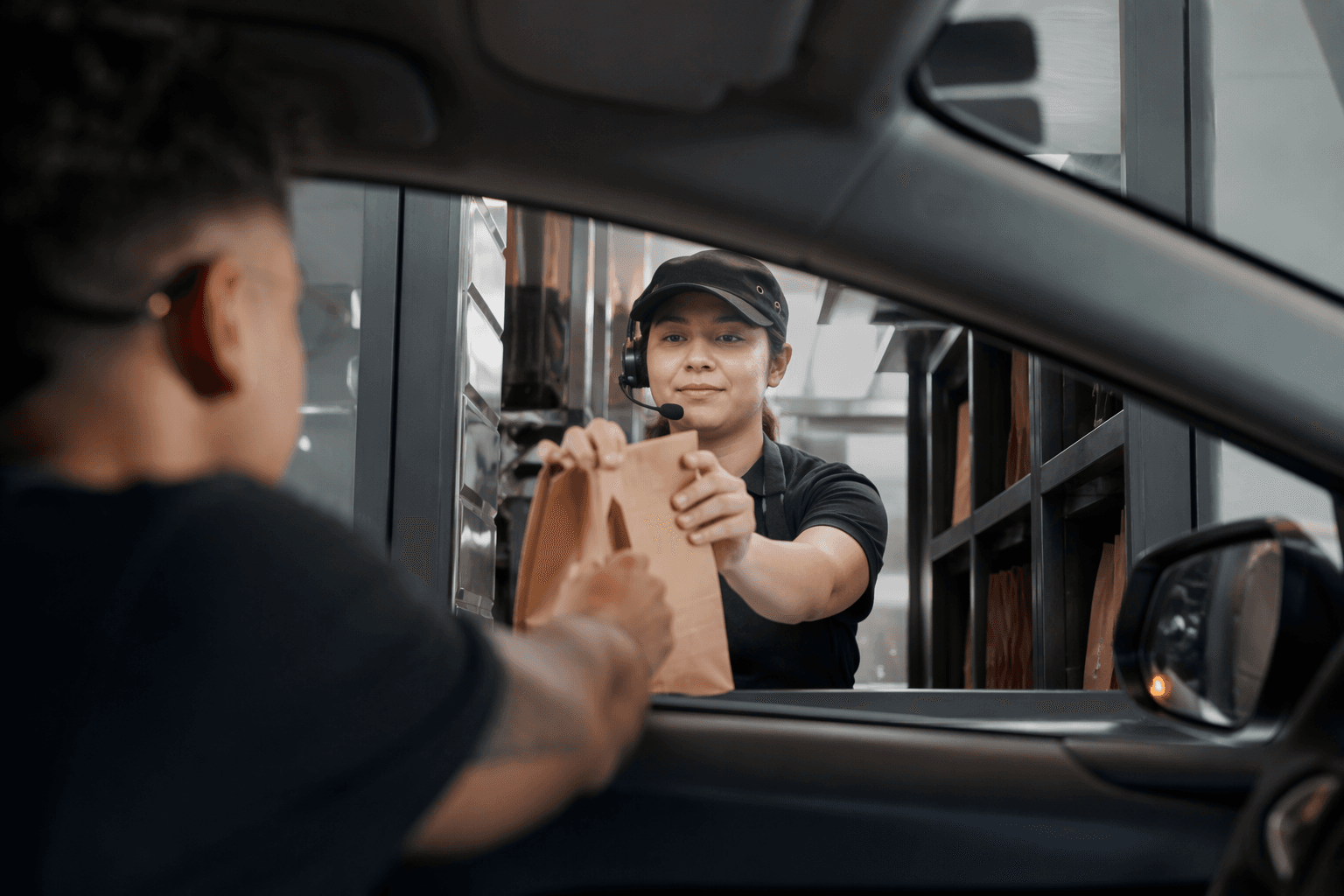
For crew members, that shifts the day-to-day work from a single line and a cash register to a more segmented flow. Someone has to verify app orders, route orders to the right lane, manage pickup screens, and keep food moving through the lift without slowing the rest of the store. That can reduce some of the repetitive pressure of a traditional drive-thru window, but it also means fewer tasks are simple or isolated.
Speed is the selling point, but it changes labor pressure
Defy aims to reduce service times to two minutes or less. It changes how a shift gets run, because every delay in the mobile queue, the lane queue, or the kitchen now hits a visible speed goal that management is expected to protect.
The labor consequence is straightforward: staffing models have to get sharper. A conventional drive-thru can often survive by flexing a few workers between order-taking, packing, and payment. A four-lane, app-heavy setup needs clearer station ownership, more communication, and tighter handoffs so one problem does not clog all four lanes. If the technology works, it can cut friction; if it does not, the pace can turn into pure pressure on the crew.
The new skills are operational, not just technical
The Defy design includes digital check-in screens and two-way audio and video technology, which means workers are not just serving food, they are managing a digital interface in real time. That raises the value of skills that are easy to overlook in a traditional restaurant, like reading order flow, coordinating across stations, and catching problems before they reach the window.
The job also becomes more about translation between systems. App orders have to match kitchen output, the kitchen has to match the lift, and the lift has to match the lane customer waiting below. That means crew members need a strong sense of timing and communication, plus the confidence to handle multiple service paths at once. In a Defy-style store, a good worker knows how to keep a digital queue from backing up.
Why this matters for advancement
Defy creates a clearer ladder for workers who want more than hourly tasks. When a store depends on app-based ordering, digital check-in, and coordinated lane management, somebody has to own the flow. That opens space for shift leaders and managers who understand digital operations, order accuracy, and throughput, not just basic food assembly.
That is a meaningful change for Taco Bell workers because it suggests the most valuable experience may come from learning how the system runs, not only how to work one station. The people who can track digital demand, coordinate handoffs, and keep food quality intact under speed pressure are the ones best positioned to move into higher-responsibility roles.
Border Foods shows how franchisees fit into the future
Border Foods, the family-owned Taco Bell franchisee that partnered on the concept, described Defy as an elevated-kitchen model built for a faster, more contactless experience. It also emphasized the vertical lift that delivers food to four drive-thru lanes.
That is consistent with the broader direction Yum! Brands had been pushing in its annual reports during the period when Defy debuted, with digital growth and a larger franchise system getting more attention.
The real test is whether tech improves the shift
Defy points to more digital demand, more mobile ordering, less dependence on a single counter, and more emphasis on throughput. That can make service smoother and reduce some of the chaos of a crowded drive-thru, especially when app and lane traffic are handled well.
But the labor reality is more complicated. Every efficiency gain comes with new coordination work, more training, and a tighter pace for the crew on the floor.
This article was produced by Prism’s automated news system from verified source data, official records, and press releases, then run through automated quality and moderation checks before publishing. The system is built and supervised by the people who set the standards it runs under. Read our full AI policy.
Did this article answer your question?