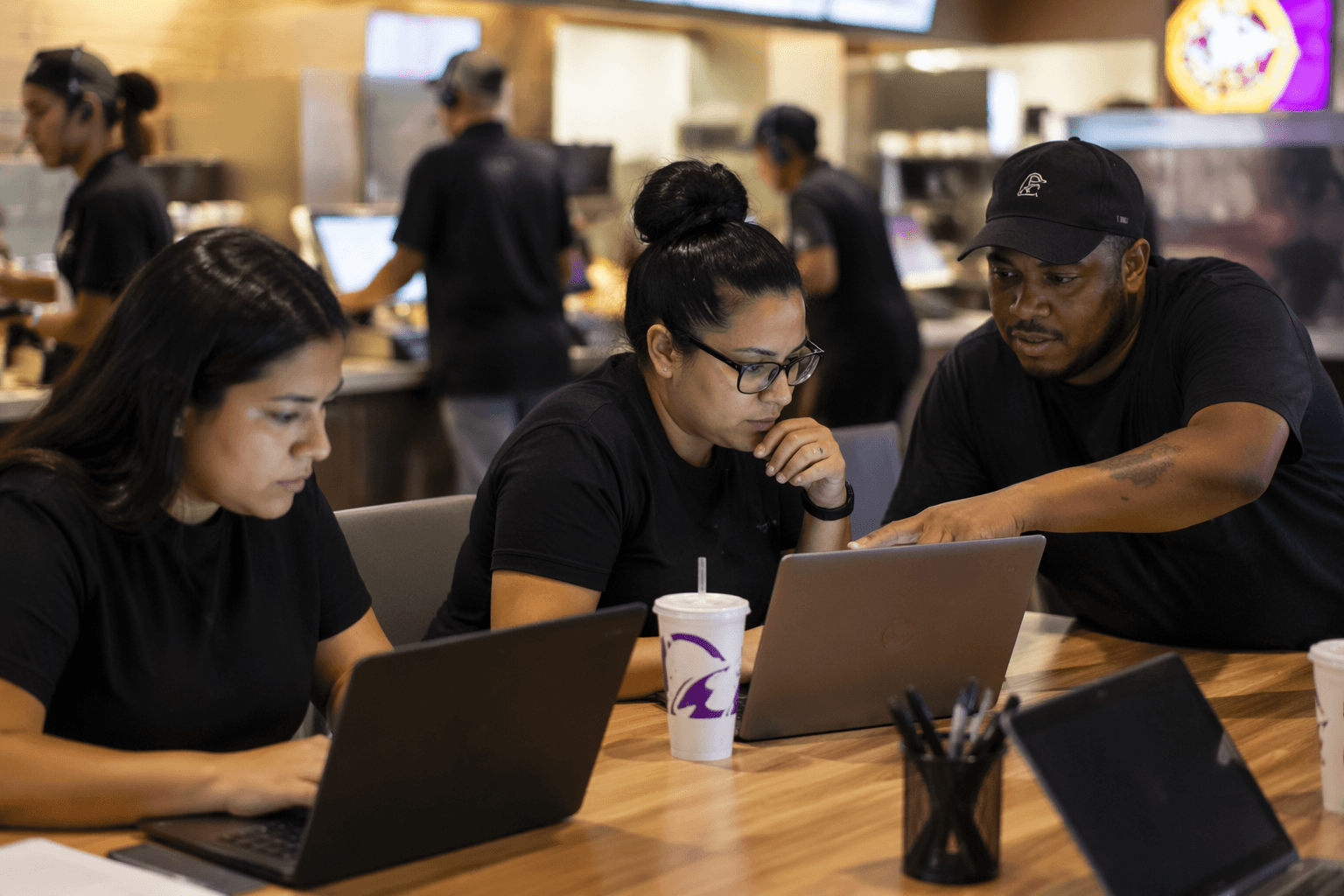
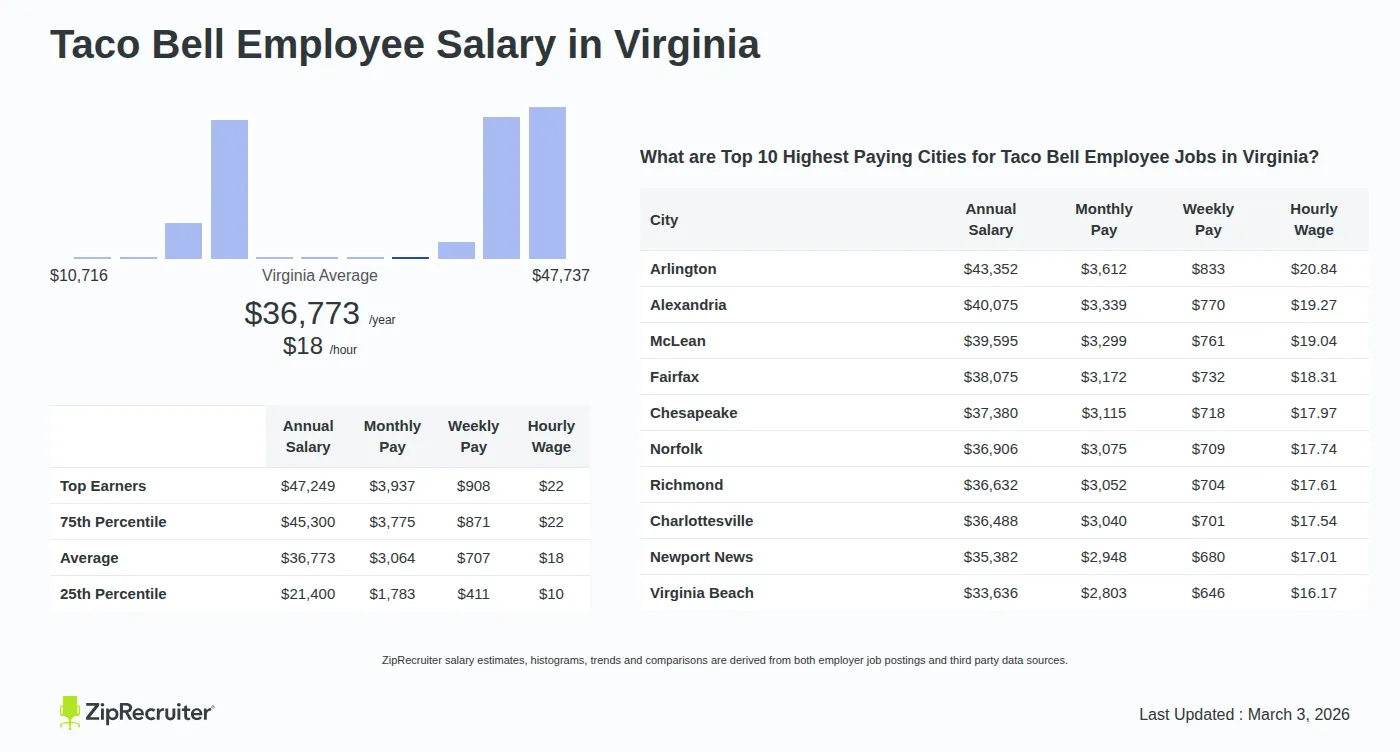
Taco Bell eyes pickup tech to cut handoff delays and labor strain
Apex pitched modular pickup lockers as a way to move Taco Bell orders faster, cut remakes and keep counter crews from getting buried in handoff disputes.
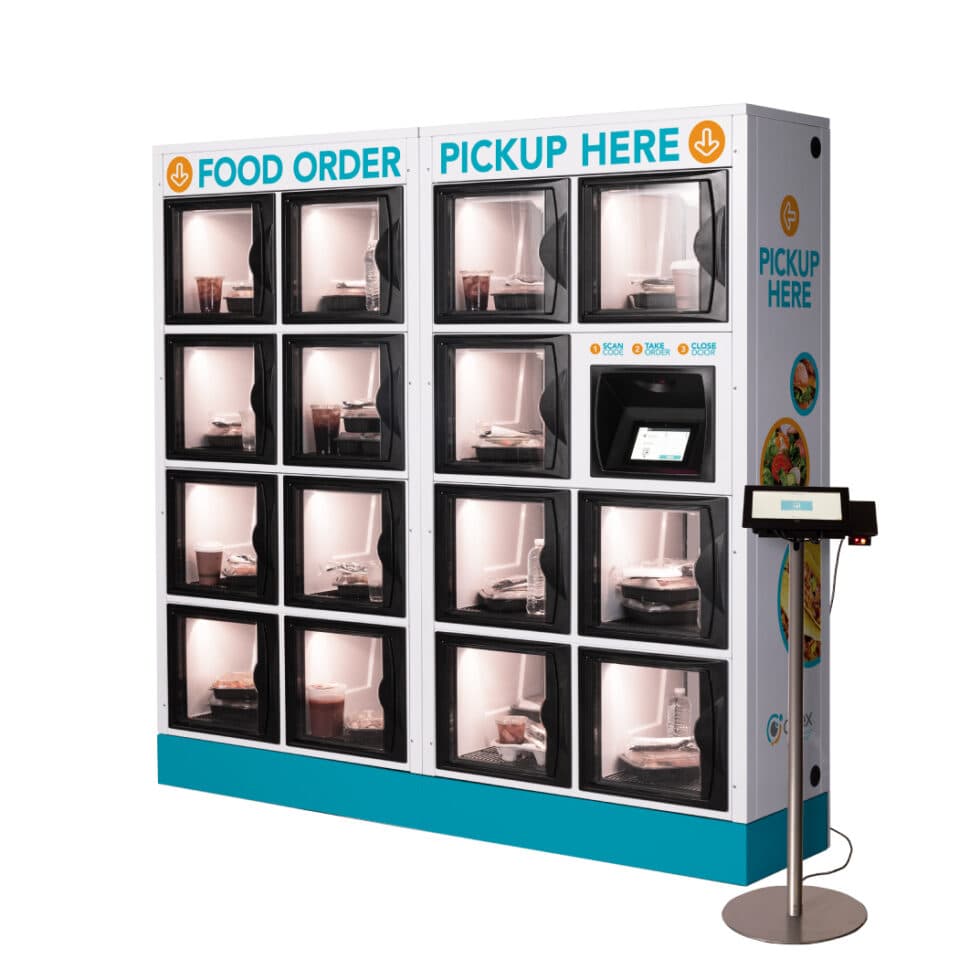
At the National Restaurant Show, Apex Order Pickup Solutions used Booth 5821 to pitch a simple fix for a common Taco Bell headache: close the gap between order ready and order in hand. The company framed its OrderHQ Array system as a way to make pickup secure, accurate and self-serve, so a customer or delivery driver can grab an order without clogging the front counter or forcing a crew member to stop working the line.
That matters in a Taco Bell where app orders, delivery drivers and a busy drive-thru can all hit the same kitchen at once. Apex says its modular pickup setup can be deployed in any configuration that fits a restaurant’s floor plan, with orders placed in secured compartments and retrieved by unique access code. The company says the system can support pickup in 10 seconds or less and is designed to prevent mix-ups and theft, a direct response to the kind of handoff problems that trigger remakes, complaints and extra counter traffic.
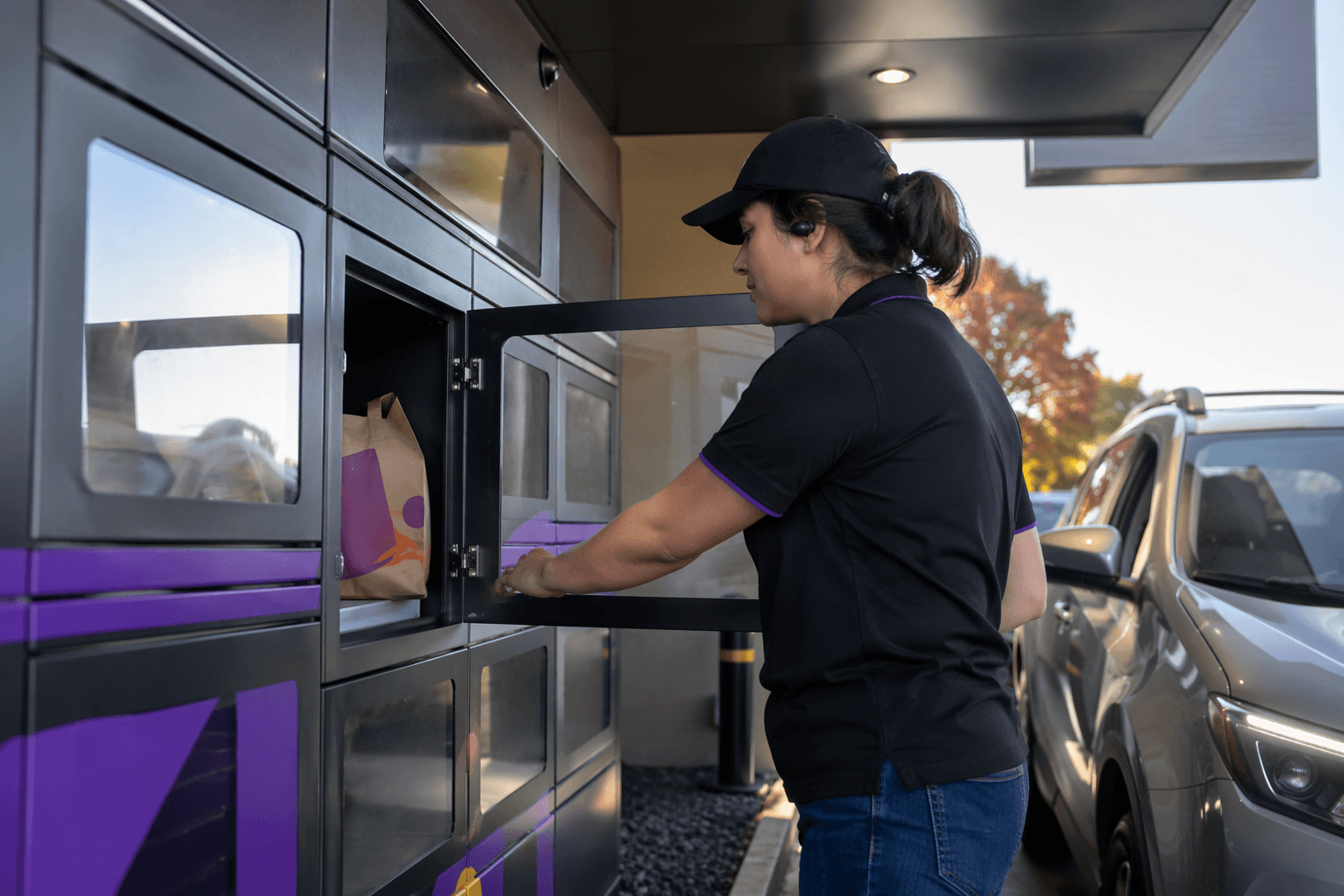
The labor angle is the bigger story for shift leaders. When a pickup problem needs to be untangled, that is time a crew member is not making food, bagging orders or moving the next guest through the line. Apex’s own pitch leans on that pressure point, saying its tech can optimize staffing and cut labor strain, while the company’s software platform tracks pickup times, order accuracy, handoff speed and dwell times so managers can spot bottlenecks. For Taco Bell operators, that kind of visibility only helps if it translates into fewer interruptions during the rush, not another screen or locker bank that needs constant babysitting.
The practical tradeoff is clear. A better pickup system can protect labor minutes, keep lobby chaos down and reduce the odds that a drive-thru, app and delivery surge all collide at the counter. But if the setup adds steps for already stretched crews, it becomes one more moving part in a shift that already runs on tight staffing and thin margins. For Taco Bell teams, the real test is whether pickup tech buys back time at the handoff point or simply shifts the burden somewhere else in the store.
This article was produced by Prism’s automated news system from verified source data, official records, and press releases, then run through automated quality and moderation checks before publishing. The system is built and supervised by the people who set the standards it runs under. Read our full AI policy.
Did this article answer your question?