Taco Bell faces cost pressure as menu price growth slows
Beef costs kept climbing even as menu-price growth cooled, forcing Taco Bell managers to defend value with smarter pricing, portions and labor.

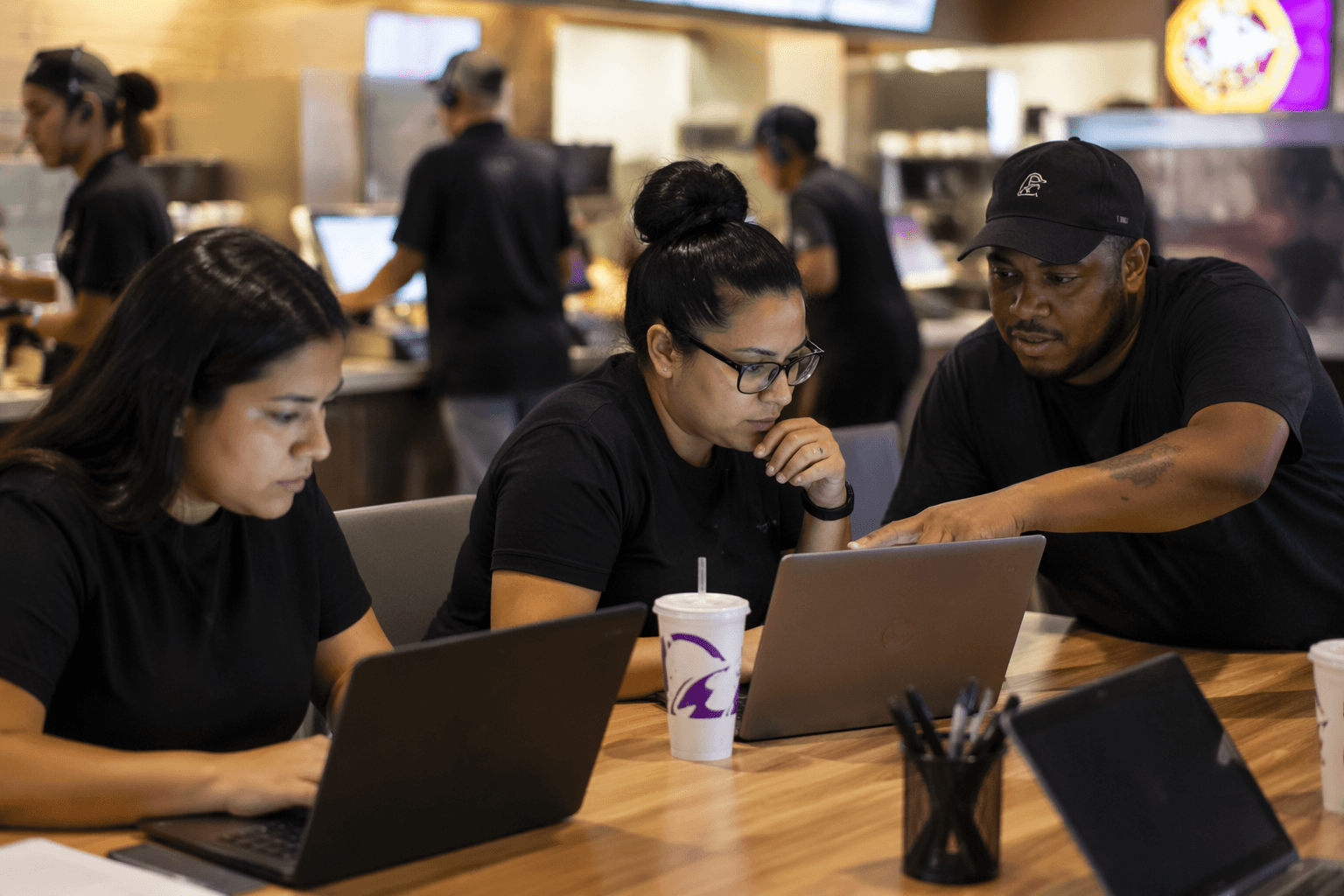
Beef is still the pressure point behind Taco Bell’s value math. Even as menu-price growth eased to 3.5 percent in May, down from 4 percent earlier in the year, beef prices were up 7 percent, leaving store managers to juggle pricing, portions, promotions and labor hours without shaking customers’ sense of value.
That split matters on the line. Burger prices rose only 2.4 percent, but beef remains volatile, and new concerns about screwworm cases affecting cattle herds could add more pressure later. For Taco Bell crews, that kind of cost mix does not stay in a spreadsheet. It shows up in tighter menu engineering, more attention to waste, and more pressure to move the right items at the right speed, especially when a beef-heavy promotion is built to drive traffic but also protect margins.

Taco Bell has been leaning into that balancing act. The chain’s Luxe Value Menu, which launched Jan. 22, 2026, includes 10 items priced at $3 or less, with prices from $1.19 to $2.99. Several of those items still rely on beef, including the Cheesy Double Beef Burrito and the Mini Taco Salad, which means value is not coming from stripping beef out of the menu. It is coming from controlling how beef is packaged, portioned and pushed alongside chicken, vegetarian and beverage items.

That approach fits the company’s broader financial posture. Taco Bell said on March 4, 2025 that it reached $1 billion in operating profit in 2024, with more than 24 percent restaurant-level margins in company-owned stores and $6 billion in digital sales. The brand also said its 2025 growth plan, R.I.N.G. The Bell, would push more innovation across menus, service, operations and technology. In practical terms, that gives franchise and corporate operators room to keep promoting value without giving up control over the economics of each ticket.
The same pressure explains why Taco Bell has been expanding drinks as a second growth engine. Yum said Taco Bell planned to scale Live Más Café to 30 locations by the end of 2025, with a long-term goal of $5 billion in beverage sales by 2030. For shift managers and restaurant managers, that is a clear signal: the company is trying to offset food-cost volatility with higher-margin beverage occasions, while keeping beef in the mix for the items that still bring customers in. The headline inflation number may be easing, but inside the store, the margin fight is still very much alive.
This article was produced by Prism’s automated news system from verified source data, official records, and press releases, then run through automated quality and moderation checks before publishing. The system is built and supervised by the people who set the standards it runs under. Read our full AI policy.
Did this article answer your question?