Taco Bell faces higher costs as restaurant lobby pushes trade caution
Trade fights over tariffs, USMCA, and swipe fees could squeeze Taco Bell margins, and that pressure can land in hours, prep, and menu pricing.

Taco Bell crews sit downstream from a cost fight that starts far from the line and ends at the store. The National Restaurant Association has urged the Trump administration to keep tariffs from landing as a broad tax on restaurants, back renewal of the U.S.-Mexico-Canada Agreement, and avoid policy moves that add costs for operators already working on thin margins.
That matters for Taco Bell because the chain is part of Yum! Brands, which reported more than 61,000 restaurants worldwide across its portfolio in its 2024 filing. Taco Bell itself is one of Yum’s global leadership brands, with roughly 9,000 locations and a business that remains overwhelmingly franchised. Founded by Glen Bell in Downey, California, in 1962, and franchised for the first time in 1964, the brand was built around value, which is exactly why even small cost changes can force new decisions on pricing, staffing, and promotions.

The restaurant lobby’s bigger warning is that the cost squeeze is coming from several directions at once. In February, the association said its federal agenda centered on immigration reform, the Credit Card Competition Act, and a strong USMCA renewal. It has said Canada and Mexico are the restaurant industry’s top sources of imported food and beverages, making the trade pact central to stable supply chains and predictable costs. If the 2026 review of USMCA leads to higher food and beverage costs, that pressure can flow straight into the kind of menu engineering and value deals Taco Bell is known for.
Swipe fees are the other front in the same fight. The association says the Credit Card Competition Act could save businesses and consumers an estimated $15 billion a year, and restaurant-industry coverage has pointed out that Visa and Mastercard account for the vast majority of credit card transactions. A federal judge gave preliminary approval on June 11 to a $38 billion settlement in long-running swipe-fee litigation, but restaurant and merchant advocates said the deal still fell short. For store managers, that kind of fee pressure does not stay in the finance office. It can mean tighter labor budgets, more pressure to steer sales toward digital channels, and more scrutiny on every promotion that pulls traffic but cuts into margin.

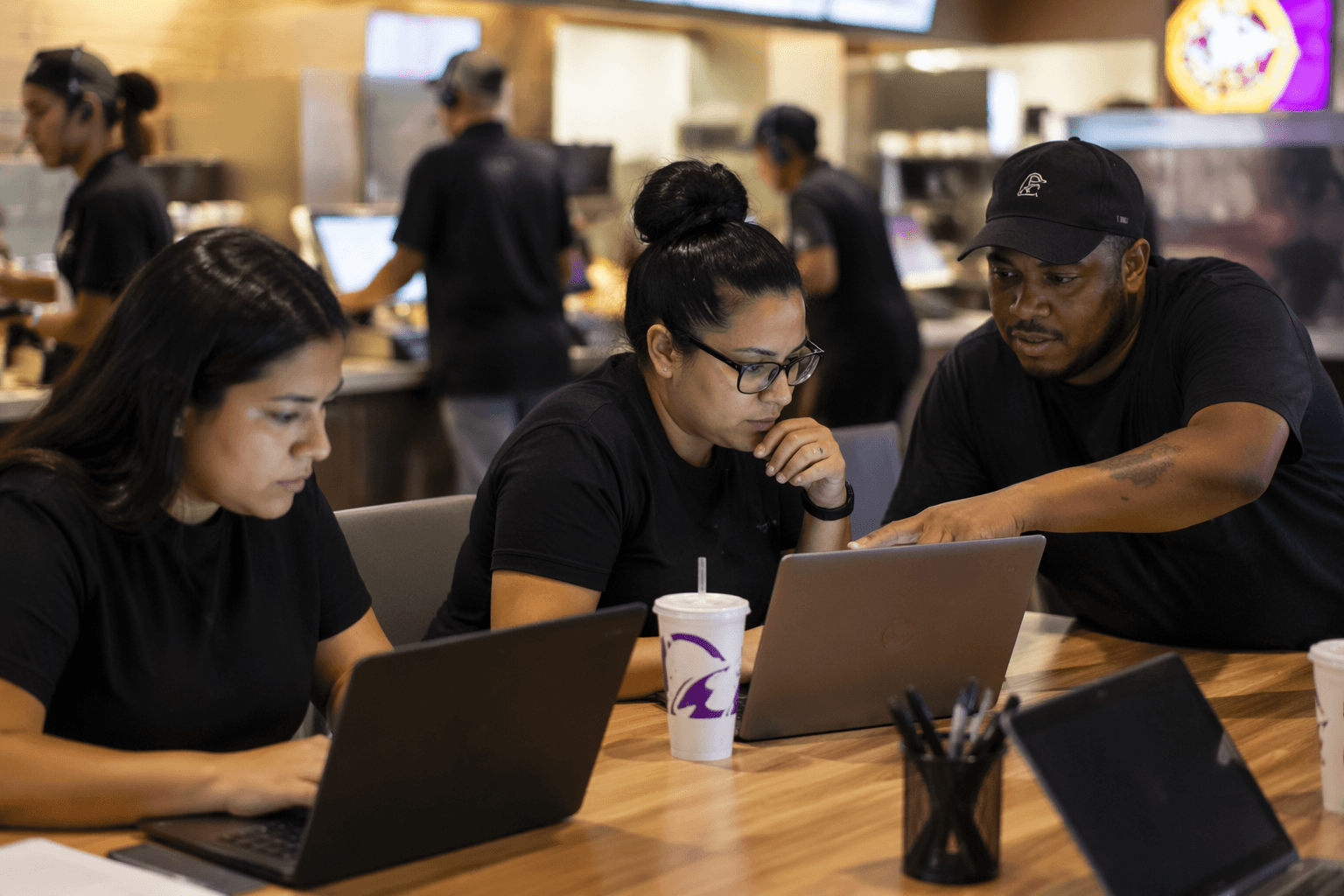
For Taco Bell workers, the chain reaction is familiar: higher input costs or card fees do not just hit corporate spreadsheets. They can show up as leaner scheduling, more standardized prep, and more pressure to keep ticket times down while the restaurant is asked to do more with less.
This article was produced by Prism’s automated news system from verified source data, official records, and press releases, then run through automated quality and moderation checks before publishing. The system is built and supervised by the people who set the standards it runs under. Read our full AI policy.
Did this article answer your question?