Taco Bell faces sales hit as produce outbreak shakes stores
Taco Bell’s lettuce-linked cyclosporiasis scare is already cutting traffic, forcing store teams to juggle substitutions, sanitation checks and customer complaints.
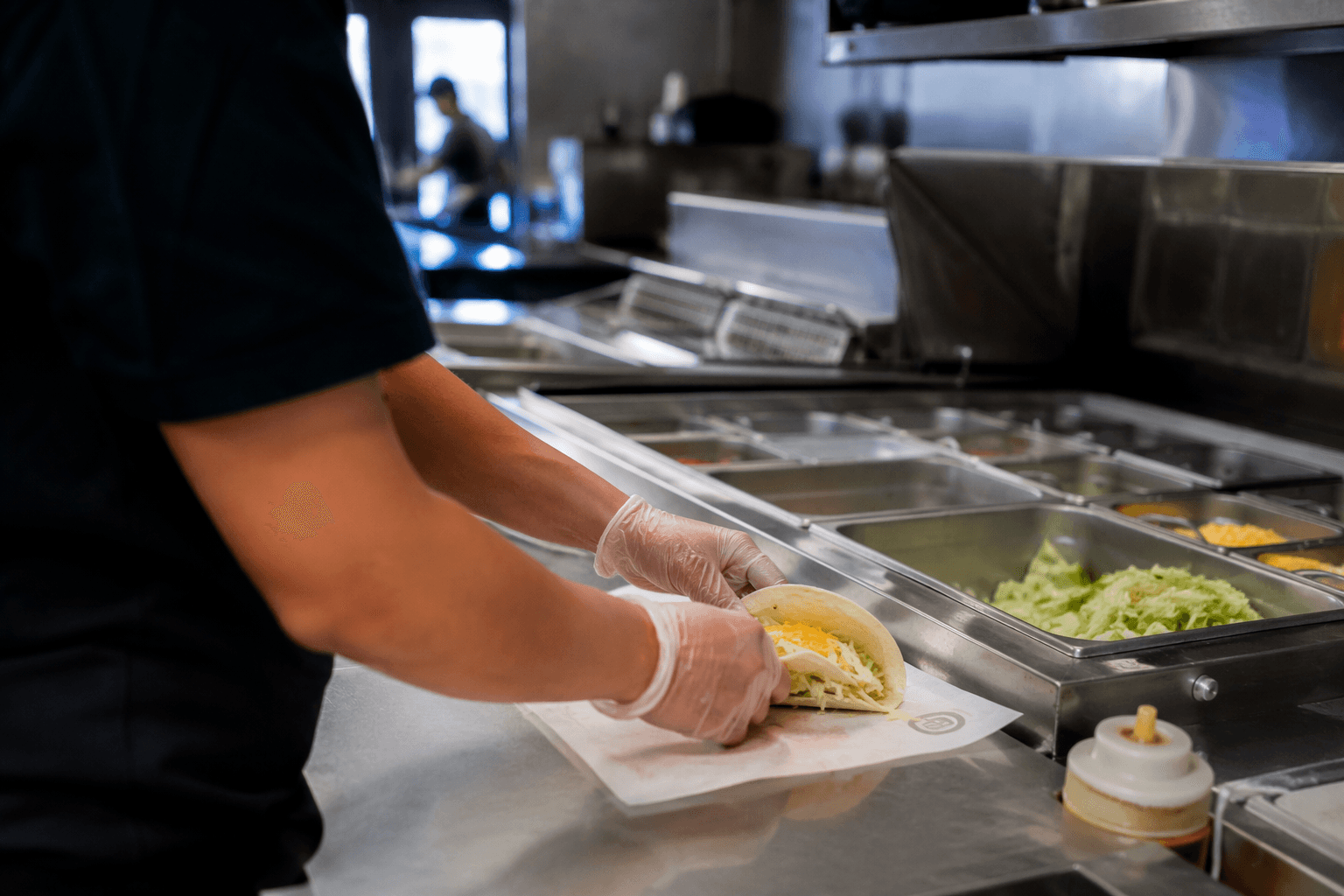
Taco Bell has pulled select produce ingredients at some locations after a cyclosporiasis outbreak tied to produce in its supply chain, including lettuce supplied by Taylor Farms, and the strain is showing up where restaurant work gets hardest: on the make line, at the register and in the labor schedule.
Federal and state health officials focused on shredded iceberg lettuce served at Taco Bell locations, and CDC outbreak materials identified affected stores in Indiana, Kentucky, Michigan, Ohio and West Virginia. Taco Bell temporarily removed select produce ingredients as a precaution at some locations, a move that forces stores to rewrite prep routines, update signage and explain to customers why familiar toppings or substitutions are suddenly unavailable.
When a chain pulls ingredients or narrows the menu, crew members are the ones answering questions about whether food is safe, whether a replacement is available and why a favorite add-on disappeared overnight. Managers then have to decide whether to keep staffing steady to absorb the extra guest questions, refund requests and sanitation checks, or trim hours just as traffic weakens.
Traffic declined after the outbreak, and Placer.ai data showed declines at other salad-serving chains, including Sweetgreen, Chopt and Panera. Forbes put visits to Taco Bell down 19% after the outbreak. At store level, the slowdown means fewer hours for crew, tighter shift coverage and more pressure on shift managers to keep throughput moving.
Taco Bell has been through this before. In 2006, the chain removed green onions nationwide after an E. coli outbreak tied to 11 Taco Bell restaurants in New York and New Jersey sickened at least 42 people in New Jersey and New York and one person in Pennsylvania.
This article was produced by Prism’s automated news system from verified source data, official records, and press releases, then run through automated quality and moderation checks before publishing. The system is built and supervised by the people who set the standards it runs under. Read our full AI policy.
Did this article answer your question?