Taco Bell faces scrutiny as lettuce-linked outbreak widens
Taco Bell finished pulling affected Taylor Farms lettuce after officials tied a produce supplier from Mexico to a cyclosporiasis outbreak in five states.
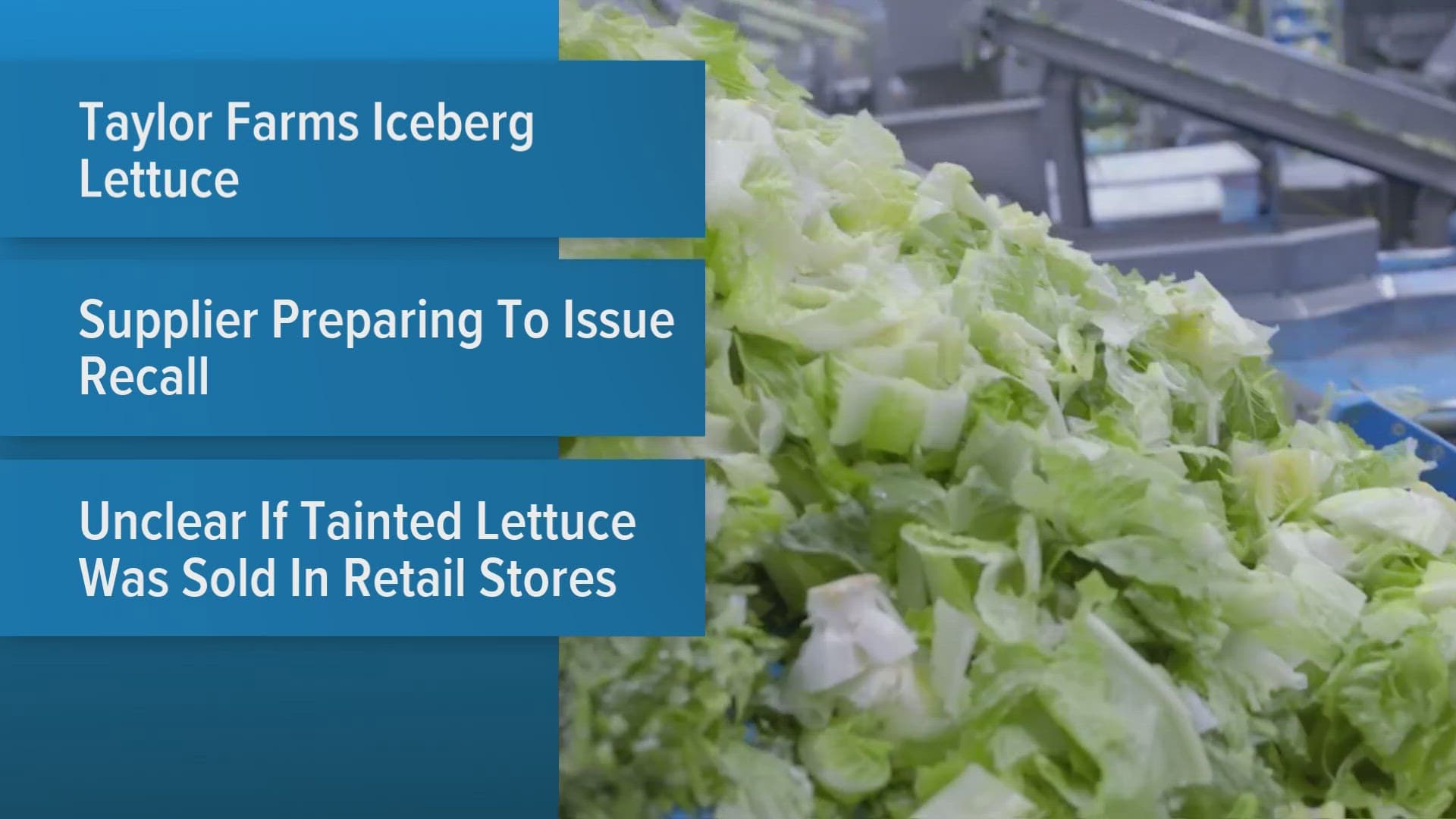
Taco Bell had finished removing affected Taylor Farms lettuce from restaurants after federal health officials identified a single produce supplier from Mexico tied to a cyclosporiasis outbreak in five states. For crew members and shift managers, that meant the response was no longer just a corporate food-safety issue, but a store-level process of product holds, ingredient checks, cleaning logs and customer explanations at the counter.
The chain first pulled select items as a precaution on July 14, while U.S. health officials had not yet confirmed a link between Taco Bell and the outbreak. By July 17, the affected lettuce was out of restaurants, and the scrutiny had shifted to how quickly stores could verify that the right product was gone, that substitutes were staged correctly and that teams could answer guest questions without slowing service.
That kind of pressure has become familiar across U.S. restaurant chains. Foodborne illness outbreaks have repeatedly triggered recalls, lawsuits and heightened regulatory scrutiny, while also hitting customer traffic and sales. For Taco Bell workers, that often shows up in the busiest parts of the shift: a manager walking the line to confirm holds, a cashier fielding questions from hesitant guests, or an area manager asking for more detailed documentation than usual on incoming produce and sanitation steps.
The operational burden is especially sharp when the issue starts with a single supplier. Federal health officials identified produce from Mexico served in Taco Bell restaurants in five states, which put the focus on traceability as much as on the menu itself. In practice, that can mean extra time spent checking delivery records, confirming lots, updating temperature and cleaning logs, and retraining teams on what can stay on the line and what has to come off immediately.
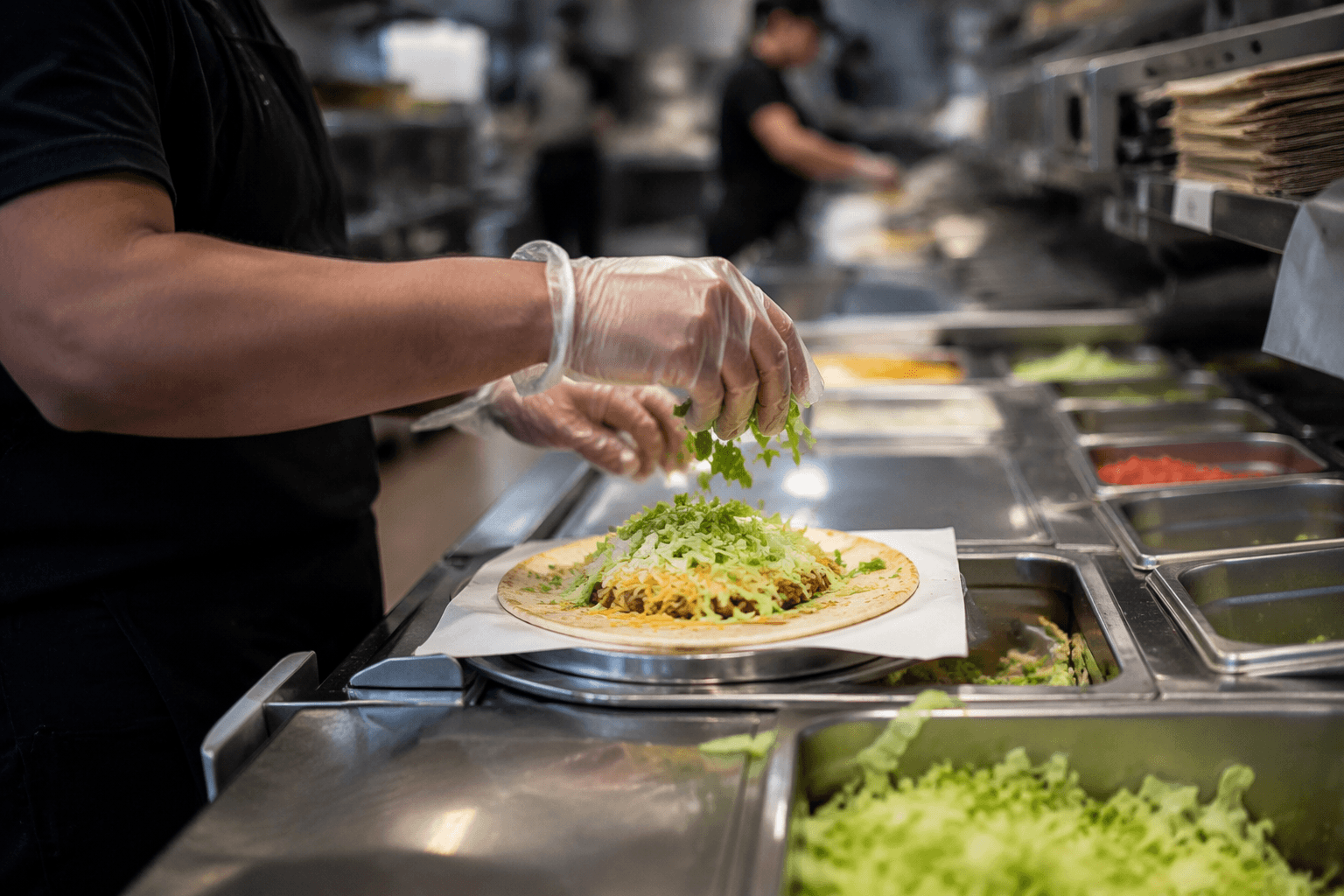
The wider industry context matters because a food-safety problem at one chain can quickly change the standard elsewhere. When outbreaks keep disrupting fast-food brands, managers at other restaurants tend to face more conservative purchasing, more frequent supplier checks and closer inspection pressure from local regulators. That leaves little room for error on the floor, where a missed label or a delayed hold can turn into a customer confrontation and a longer service delay.
For Taco Bell, the outbreak widened the gap between a normal rush and a controlled one. The work now falls to the people running the restaurant: keep the product out, keep the logs straight, keep the line moving and keep the explanation consistent when guests ask what changed.
This article was produced by Prism’s automated news system from verified source data, official records, and press releases, then run through automated quality and moderation checks before publishing. The system is built and supervised by the people who set the standards it runs under. Read our full AI policy.
Did this article answer your question?