Taco Bell faces softer traffic as gas prices squeeze drive-thru visits
Softer drive-thru traffic is pressuring Taco Bell crews to do more with less as gas prices push customers to skip quick trips and choose carefully.
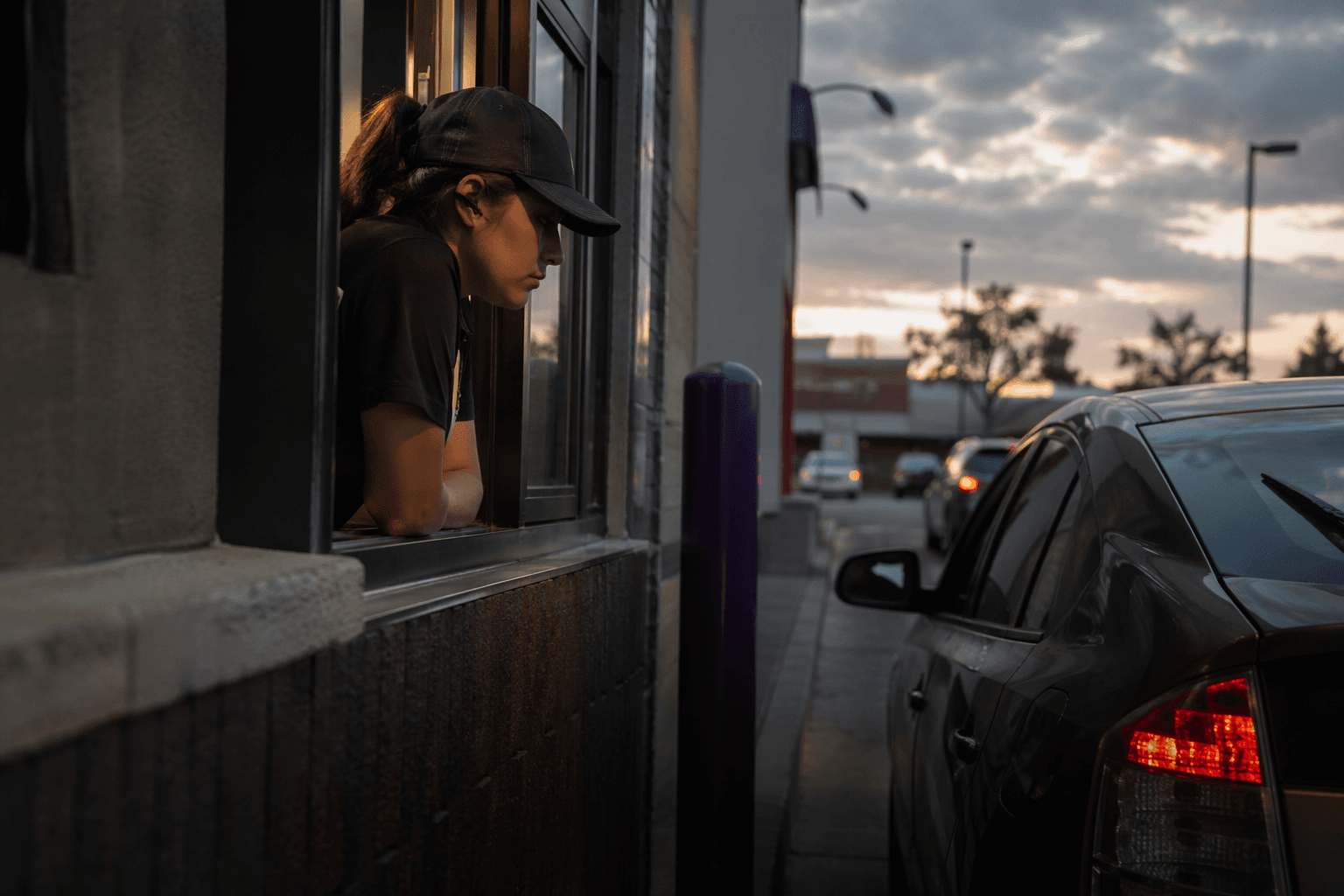
Rising gas prices and tighter household budgets are not just slowing Taco Bell’s drive-thru lanes. They are forcing stores to rethink how many people they schedule, how much food they prep, and how hard crews have to push speed and upsells to keep sales moving.
Traffic data for May showed the strain across quick service. Revenue Management Solutions said QSR traffic fell 1.6% from a year earlier, while Placer.ai showed a steeper 4.4% decline. Short visits under 10 minutes, the kind most closely tied to drive-thru and pickup, were especially weak. Placer.ai said elevated gas prices were influencing dining behavior, and Bloomberg Intelligence has warned that traffic declines and inflation-led pricing pressure are likely to keep squeezing quick-service chains.
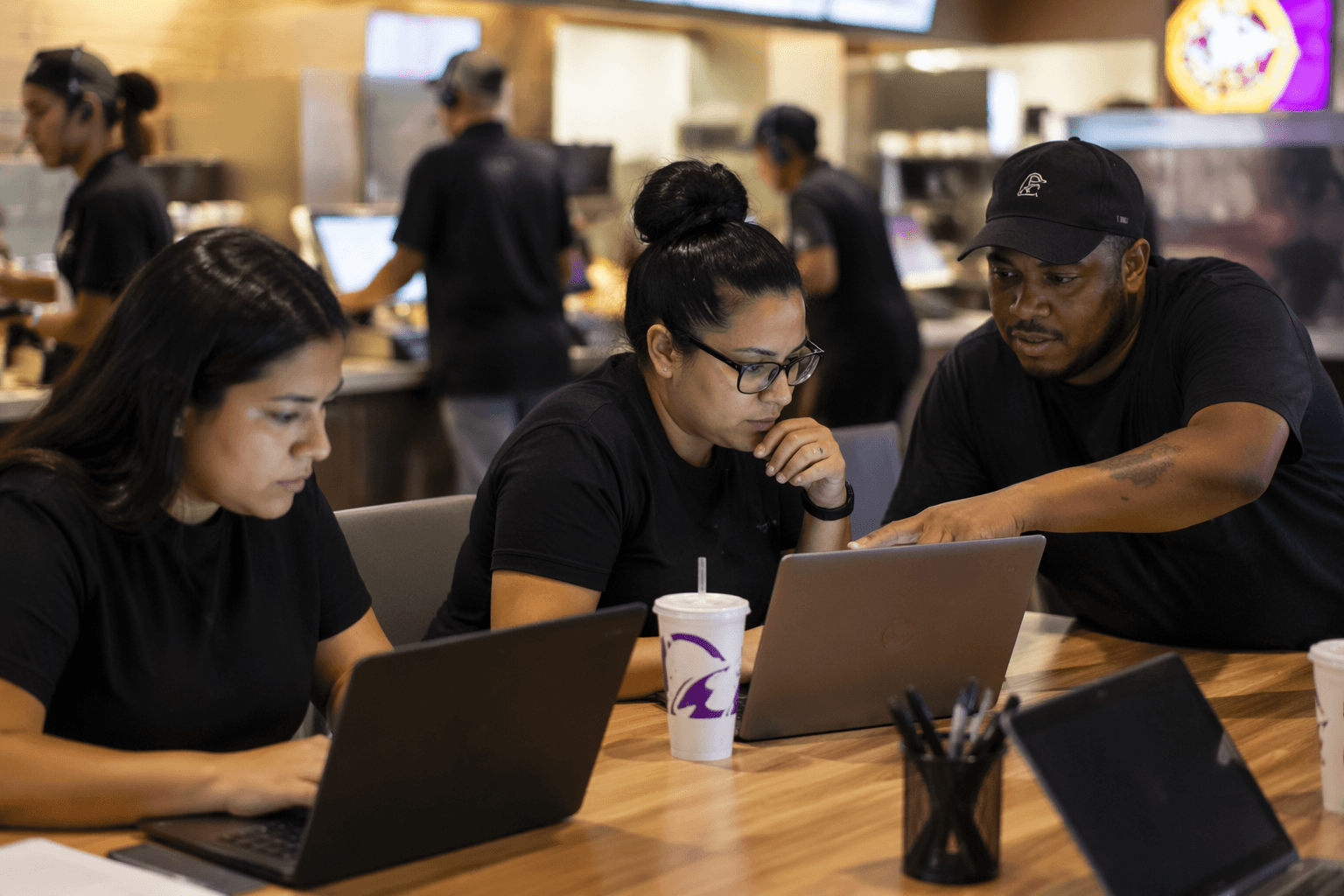
For Taco Bell, that softness lands inside the store as a labor problem as much as a sales problem. When customer counts slip, managers often get pressure to hold labor tight, which can mean leaner schedules and fewer hands on the line. When orders do come in, the same crew has to cover drive-thru, make food, bag orders, and keep the lobby and dining room moving with little margin for slowdown. If the chain leans harder on discounts to protect traffic, workers can wind up handling more tickets without any matching increase in staffing.
That tension matters because Taco Bell entered the spring with real momentum. Yum! Brands said on April 29 that Taco Bell delivered 9% same-store sales growth in the first quarter of 2026, while Yum’s companywide system sales grew 11%. The brand has also spent the year sharpening its value pitch. Taco Bell launched its nationwide Luxe Value Menu on January 22, with rewards members getting early access starting January 16 through the app and by checking in at the drive-thru or kiosk. The menu includes 10 items priced at $3 or less, part of what Taco Bell has described as a broader redefinition of value.
That strategy helps explain why the traffic squeeze hits workers so directly. Taco Bell became the first QSR to launch a mobile app in U.S. restaurants for both drive-thru and dining orders, tying more of the business to digital offers and loyalty check-ins. The chain is also still pushing menu news, with plans underway for the next Live Más LIVE event after the last streamed show drew record-breaking buzz. And on May 18, the Taco Bell Foundation announced a record $14.5 million in Live Más Scholarship awards after receiving more than 41,000 applications. For crews on the floor, though, the immediate reality is simpler: softer traffic means tighter shifts, more pressure to move fast, and less room for error when the line backs up.
This article was produced by Prism’s automated news system from verified source data, official records, and press releases, then run through automated quality and moderation checks before publishing. The system is built and supervised by the people who set the standards it runs under. Read our full AI policy.
Did this article answer your question?