Taco Bell faces tougher execution as quick-service sales slow
Slower quick-service sales mean Taco Bell is fighting harder on value, AI, and beverage add-ons, which could raise traffic without making the line any easier.
The clearest message in the latest Top 500 is not about bragging rights, it is about pressure. Taco Bell remains one of the biggest names in the business, with $16.197 billion in U.S. sales, but it is operating in a market where growth has cooled and quick service is no longer getting an easy lift from consumer demand. That matters on the floor because slower sales growth usually pushes brands to lean harder on value, limited-time offers, and tighter menu engineering, which can keep tickets flowing while making the rush more complicated.
What the slow market means on the floor
Technomic’s 2025 Top 500 showed total chain sales rising to $437.1 billion in 2024 from $423.9 billion in 2023, but the headline hides a more mixed picture. Roughly 40% of chains on the report still saw sales decline compared with the prior year, which tells you how uneven the recovery has been across restaurant categories. Nation’s Restaurant News said the year looked mixed overall, with casual dining showing some resurgence while quick service delivered uneven results, and that is the backdrop Taco Bell is working in now.
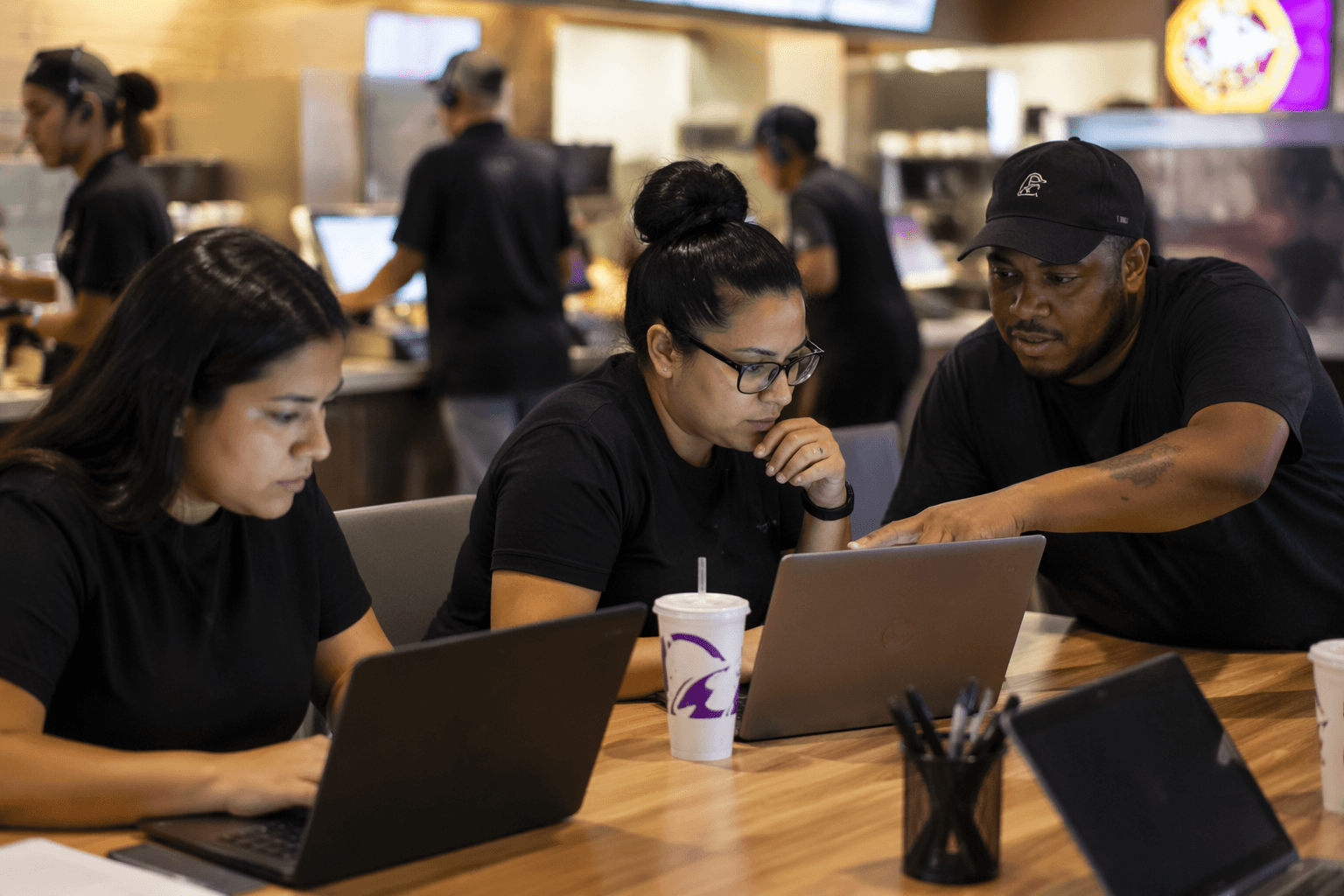
For crew members and shift managers, the takeaway is simple: a brand can be winning and still feel more pressure on the line. In a slower market, every order mix decision matters more, because stores have to protect speed and accuracy while also trying to sell enough to stay ahead of the category. That puts more weight on scheduling, training, and clean handoffs between front counter, drive-thru, and prep.
Value is likely to bring traffic, not simplicity
Taco Bell’s best-known response to a tougher market is the Luxe Value Menu, which launched nationwide on January 22, 2026, with Rewards Members getting early access starting January 16. The menu has 10 items, each priced at $3 or less, and that is exactly the kind of move a chain makes when it wants to defend traffic without leaning only on blunt price cuts. Value platforms can pull guests in, but they also add another layer of decision-making at the register and in the drive-thru.
That matters because value menus rarely make the kitchen easier. They can increase order volume, trigger more substitutions, and create more chances for confusion when a store is juggling limited-time items, core favorites, and seasonal returns at the same time. For the people running shifts, the operational challenge is not just selling the item, it is making sure the item is stocked, rung correctly, built right, and handed out fast enough to keep the line moving.
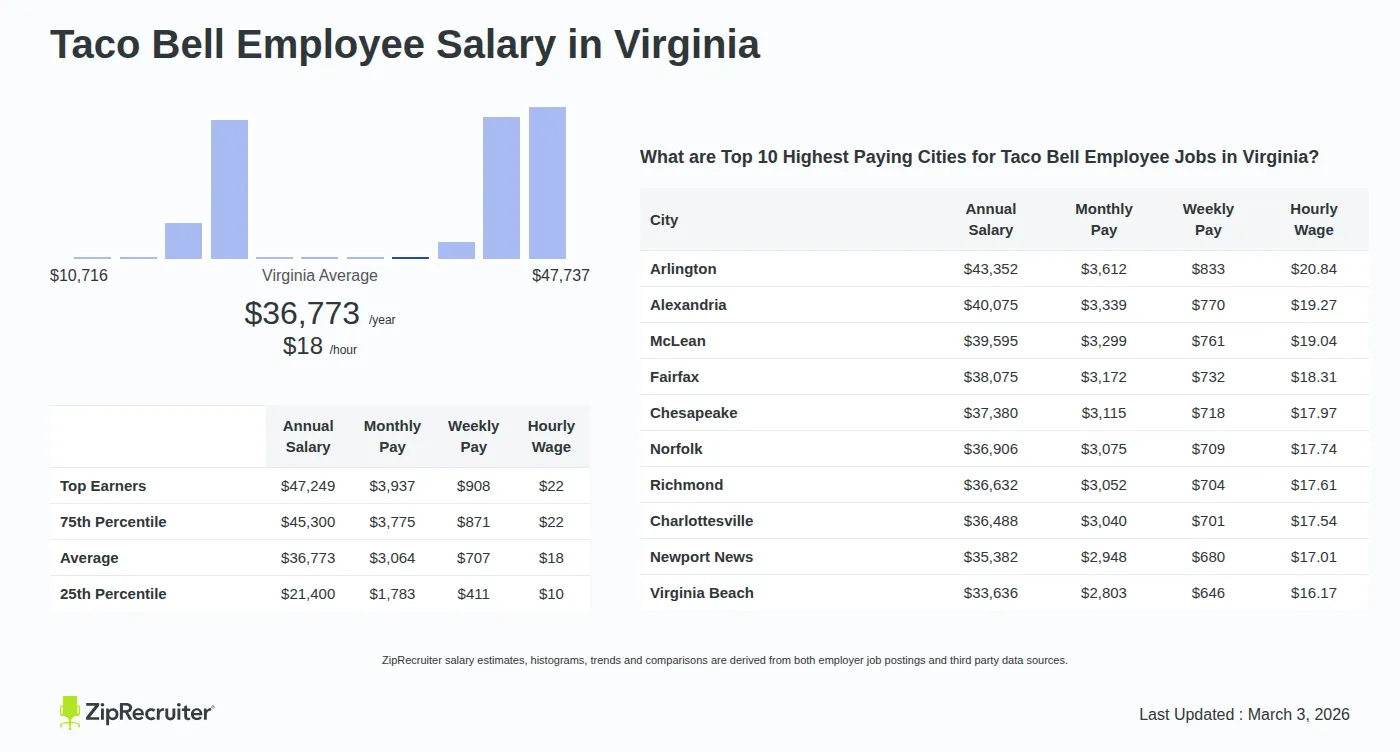
There is also a labor piece here that workers will feel quickly. When a chain competes harder on affordability, it usually depends even more on consistency, which means the store needs enough trained people to keep tickets straight and avoid slowdowns that wipe out the benefit of the promotion. In a fast-food environment already shaped by minimum-wage pressure, retention battles, and constant turnover, value strategy only works if the staffing plan holds up.
AI can cut one bottleneck, but it does not erase the rush
Taco Bell’s Voice AI rollout shows how the brand is trying to offset some front-end strain. On July 31, 2024, Yum! Brands said Taco Bell would expand Voice AI ordering to hundreds of U.S. drive-thrus by the end of 2024, and at the time of that announcement the system was already live in more than 100 Taco Bell drive-thrus across 13 states. The point for stores is not that AI replaces the team, but that it can take a slice of repetitive ordering off the team’s plate.
That said, digital ordering tools are only helpful if they are reliable enough to reduce friction instead of creating a new kind of cleanup. When a voice system misunderstands an order, the crew still has to recover the ticket, correct the build, and keep the lane from stalling. For managers, the practical question is whether the technology actually gives back labor time or just shifts the point of failure from the headset to the handoff.
The broader signal is that Taco Bell is trying to modernize the drive-thru without pretending the labor problem is solved. A quieter lane can help, but only if the rest of the operation stays disciplined enough to absorb the tickets that still come through. In that sense, AI is less a replacement for people than a test of how well the store is run.
Live Más Café adds another layer of menu complexity
If value and AI are about defending the core business, Live Más Café is about expanding it. Taco Bell said it would scale the beverage concept to 30 additional locations by the end of 2025, and the chain later exceeded that goal by opening 31 Live Más Café locations by December 2025. Those openings were spread across Southern California, Houston, Dallas, and Las Vegas, which shows the concept moving beyond a one-market experiment.
For workers, beverage expansion changes the job in a very specific way. Drinks can look simple from the outside, but they often add new prep steps, more customization, and more chances for bottlenecks when a guest wants something different from the standard fountain order. That means a café push can raise sales while also asking more of the same people who are already managing burgers, tacos, boxes, and drive-thru timing.
The interesting part is how this fits with the value strategy. Taco Bell is trying to do two things at once: push low-priced items that can drive frequency, and introduce drink offerings that can raise check size. That combination can work, but it also makes the menu more layered, which is exactly why clean execution matters so much inside the store.
What matters most for crews and managers
The big workplace lesson from the Top 500 is that Taco Bell’s next phase is likely to be busier, not necessarily easier. The brand has the scale to keep competing aggressively, but the tools it is using, value menus, AI drive-thrus, and beverage expansion, all ask the store to stay sharp while the menu gets more complicated. That puts the pressure where it always lands first: on the crew member taking the order, the shift lead keeping the line organized, and the manager trying to protect speed without burning people out.
If the wider quick-service market keeps slowing, Taco Bell’s edge will come down to execution. The stores that can keep the floor clean, the tickets accurate, and the staffing tight enough to handle promotions will feel the upside of these moves first. The ones that cannot will discover that more traffic can be its own kind of strain.
This article was produced by Prism’s automated news system from verified source data, official records, and press releases, then run through automated quality and moderation checks before publishing. The system is built and supervised by the people who set the standards it runs under. Read our full AI policy.
Did this article answer your question?