Taco Bell leaders must count scheduling penalties in overtime pay
Late schedule changes can raise Taco Bell payroll costs: the Labor Department says scheduling penalties can lift the regular rate and overtime too.
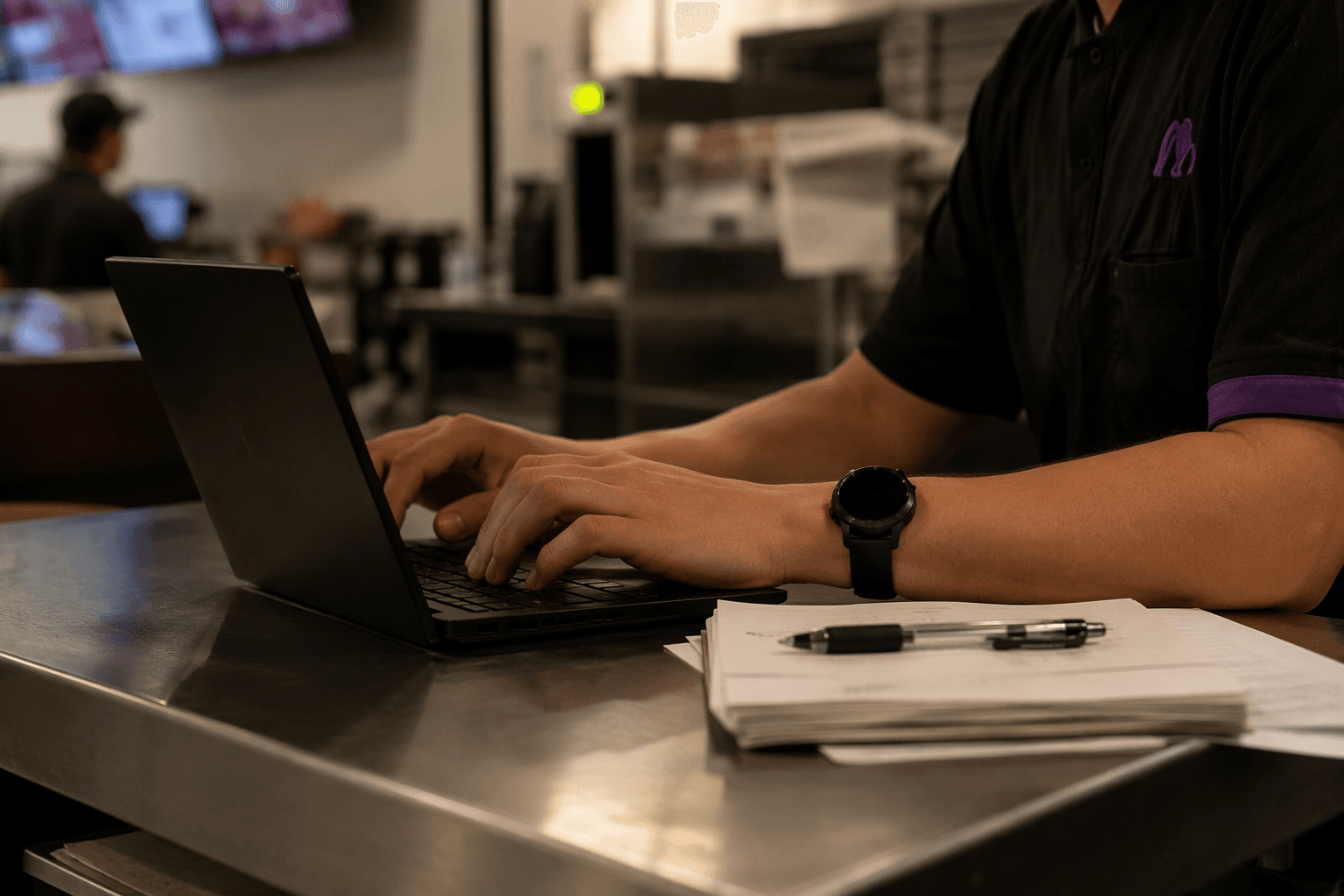
A last-minute shift swap at Taco Bell can cost more than a little schedule friction. Under the Labor Department’s Fact Sheet #56B, state and local scheduling penalties can feed into the Fair Labor Standards Act regular-rate calculation, which means a late change can raise overtime pay too. For crew members, that can mean extra money; for franchise operators and managers, it can mean a payroll mistake that compounds across stores.
Why scheduling penalties can change overtime math
Fact Sheet #56A lays out the basic regular-rate framework under the Fair Labor Standards Act. Fact Sheet #56B addresses the narrower but crucial question for restaurant payroll: if a city or state law requires a premium because a schedule was changed too late, that premium may have to be counted when the regular rate is calculated.
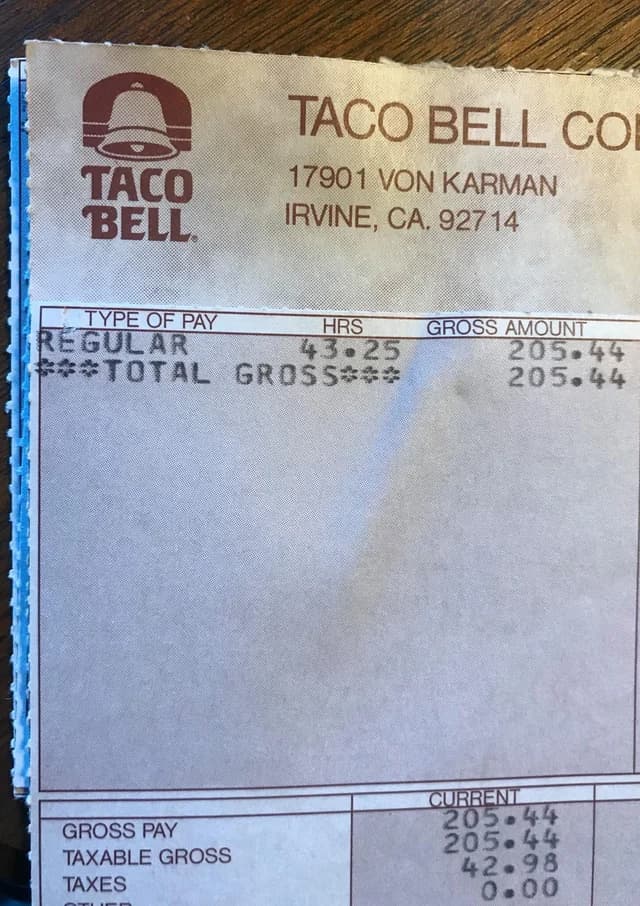
Overtime is not built only on the base hourly wage. If a worker picks up extra hours and also earns a scheduling penalty, the penalty can lift the regular rate that overtime is based on. In plain restaurant terms, a manager who only asks, “Did I pay the hourly rate?” can still miss the extra money that has to be folded into overtime.
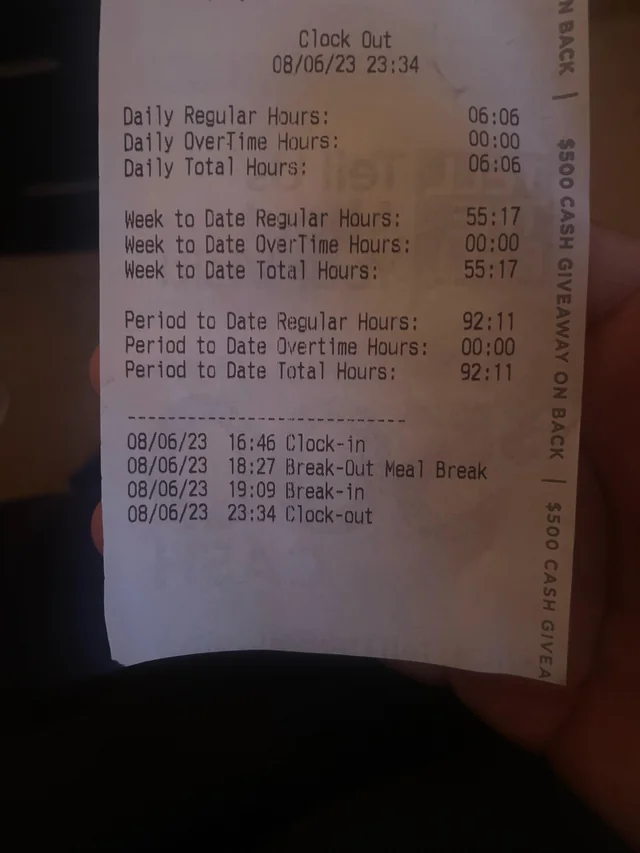
A late callout fill, a shortened shift, a canceled shift, or a same-day change to cover a rush can create more than a staffing headache. In the wrong jurisdiction, it can also create premium pay that has to be tracked, recorded separately, and then carried into overtime calculations.
Predictive scheduling is local, not federal
The Fair Labor Standards Act does not require advance notice of work schedules. That means predictive scheduling obligations come from state or local law, not from one national federal rule. For Taco Bell, that difference matters because the chain and its franchisees operate across cities and states with different notice rules, different premium triggers, and different enforcement styles.
Legal surveys of fair work scheduling laws trace the modern movement back to San Francisco in 2014. Seattle became the second local jurisdiction to enact a predictive or secure scheduling ordinance on September 19, 2016. By 2017, legal materials were already tracking a wider wave of state and municipal scheduling laws, while states including Alabama, Arizona, Indiana, Michigan, Ohio and Oregon had passed laws limiting local governments from regulating worker schedules.
A Taco Bell in one city may face notice requirements and premium-pay rules that do not exist at another location only a few miles away. The safest approach is to build local scheduling rules into labor planning before the schedule is posted, not try to fix the problem after someone has already changed the roster.
What this looks like on a Taco Bell schedule
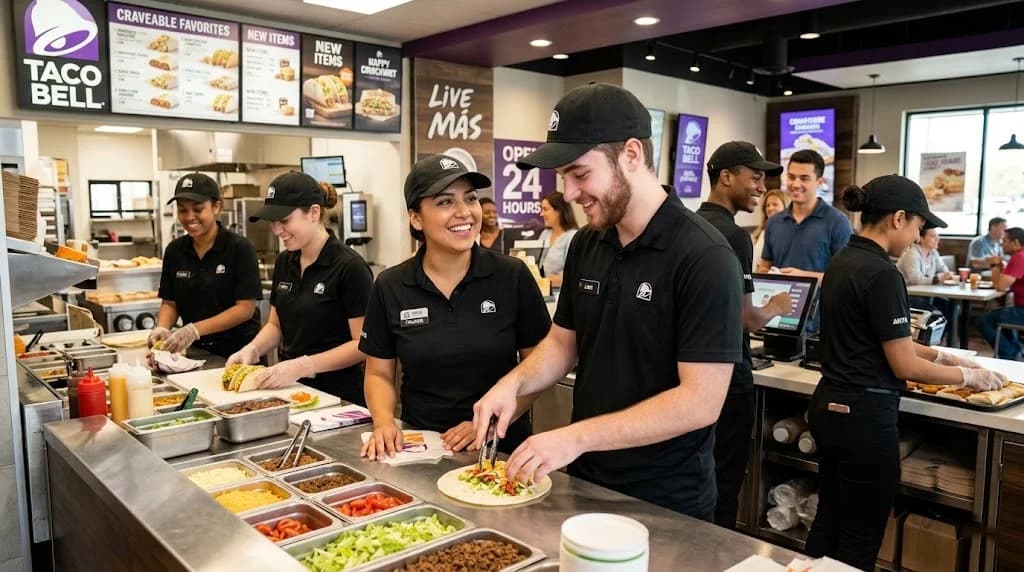
In a fast food restaurant, schedule changes happen constantly. A shift manager loses a closer to a callout, the opening crew gets trimmed after a weak sales forecast, or a worker is asked to stay late because the night rush is still building. Local predictive scheduling laws can turn those moments into covered changes that owe extra compensation.
A few common restaurant scenarios show why the rule matters:
- A shift is shortened after posting, and local law requires a premium because the employee was sent home early.
- A crew member is asked to cover a closing shift at the last minute, which can trigger a penalty under city or state scheduling rules.
- A close-open turn, or clopening, can create the same payroll problem when a late change adds a premium and pushes weekly earnings into overtime territory.
- A manager reworks the week to fix callouts, but the added penalty pay changes the regular rate used to calculate overtime for hours over 40.
Why workers should see this as a paycheck-protection issue
In September 2023, the National Women’s Law Center estimated that millions of people, mostly women, work in retail, food service and hospitality in jobs affected by just-in-time scheduling practices. That includes the kind of unpredictable shifts that hit crew members hardest: late changes, early send-homes, on-call uncertainty and schedule gaps that leave no room to plan a second job, child care or transit.
For Taco Bell workers, a scheduling penalty can mean a real paycheck difference even when the manager is trying to keep the restaurant open. If a worker is told to come in late, stay late, or take a shortened shift on short notice, local law may require extra pay. And if that same worker works enough hours in the week for overtime, the penalty can also raise the overtime rate.
A worker may never see the overtime calculation, but the math shows up in the final check. If a store treats a scheduling penalty like an optional add-on instead of part of the pay formula, the worker can be underpaid and the company can face a dispute later.
New York City shows how serious enforcement can be
New York City’s Fair Workweek law went into effect in 2017, and industry groups challenged it in 2018. The New York City Department of Consumer and Worker Protection enforces the law for fast food employers, and the law covers workers regardless of immigration status.
In a city like New York, a late schedule change can trigger complaints, penalties and restitution, not just grumbling from the crew.
What Taco Bell managers need to build into labor planning
The most reliable way to avoid overtime mistakes is to treat scheduling as part of compliance planning from the start. That means every store needs to know the local notice rules, what counts as a covered change, how premiums are recorded, and how overtime is recalculated when those premiums hit the regular rate.
Managers and franchise operators should have a simple routine built into payroll workflow:
- Map each store to the city and state rules that apply before the schedule is posted.
- Separate scheduling penalties from base wages in payroll records.
- Recheck weekly hours after any premium pay is added.
- Train shift leads to flag late changes before they become a pay error.
- Review franchise locations one by one, because two Taco Bell stores in different jurisdictions may not follow the same scheduling rules.
This article was produced by Prism’s automated news system from verified source data, official records, and press releases, then run through automated quality and moderation checks before publishing. The system is built and supervised by the people who set the standards it runs under. Read our full AI policy.
Did this article answer your question?