Taco Bell leans into drinks, sauces and AI as restaurant jobs evolve
Taco Bell's next 12 months look less like menu novelty and more like workflow change, with drinks, sauces, AI and new equipment pressuring crews to train wider and move faster.
The show floor was a preview of the line
The next wave of Taco Bell work is being shaped less by one big menu launch than by four forces at once: drinks, sauces, AI and equipment. That was the clear read from the 2026 National Restaurant Association Show, which ran at McCormick Place in Chicago from May 16-19 and drew more than 55,000 foodservice professionals from 112 countries alongside roughly 2,300 exhibitors. The show site itself highlighted kitchen equipment, beverages and cutting-edge technology, which is why the ideas tested there tend to matter later on the drive-thru screen, the prep table and the manager’s clipboard.
Drinks are becoming a real station, not an add-on
Taco Bell has been unusually direct about where it wants beverage sales to go: the brand says it wants drinks to become a $5 billion annual business by 2030. That ambition is already showing up in Live Más Café, which has moved beyond fountain drinks into a separate beverage platform with chillers, agua frescas, specialty coffees and, more recently, cold brew and cold foam in Houston, Dallas, Las Vegas and Southern California. For the people on shift, that means a bigger role for ice, blenders, toppings, cup prep and handoff timing, plus more room for mistakes if staffing or station layout is thin.
The drink push also fits a wider quick-service pattern. Restaurant Dive reported that Taco Bell’s beverage expansion lines up with chainwide efforts to drive traffic and win younger customers, especially Gen Z diners who treat beverages as a reason to stop in, not just something to wash down food. That matters operationally because a drink program does not behave like a normal side item. It creates its own rushes, its own prep rhythm and its own training needs, especially when a store is juggling mobile orders, drive-thru, dine-in and delivery at the same time.
Sauce-forward items are making the line more complicated
The sauce story is bigger than a packet upgrade. Taco Bell’s 2026 Live Más LIVE event unveiled more than 20 menu innovations, including Nacho Fries as a permanent item, Diablo Dusted Crispy Chicken Nuggets and the Shredded Beef Dipping Taco, which the brand introduced with birria-inspired flavor. The common thread is dippability, coating and customization, which looks playful on the consumer side but adds another layer of execution on the back line.
For crew members, that means more steps that can slow a ticket if one sauce cup, dusting pass or beef build gets missed. For shift managers, it means the old fast-food promise of simple repetition is getting harder to maintain when limited-time items, permanent fries and sauce-heavy proteins all hit the menu in the same year. The pressure is not just on speed; it is on consistency, because these items depend on exact portions and clean handoffs if Taco Bell wants the food to look and taste the same across a busy daypart and across franchise groups.
AI and equipment are being sold as speed tools, not gimmicks
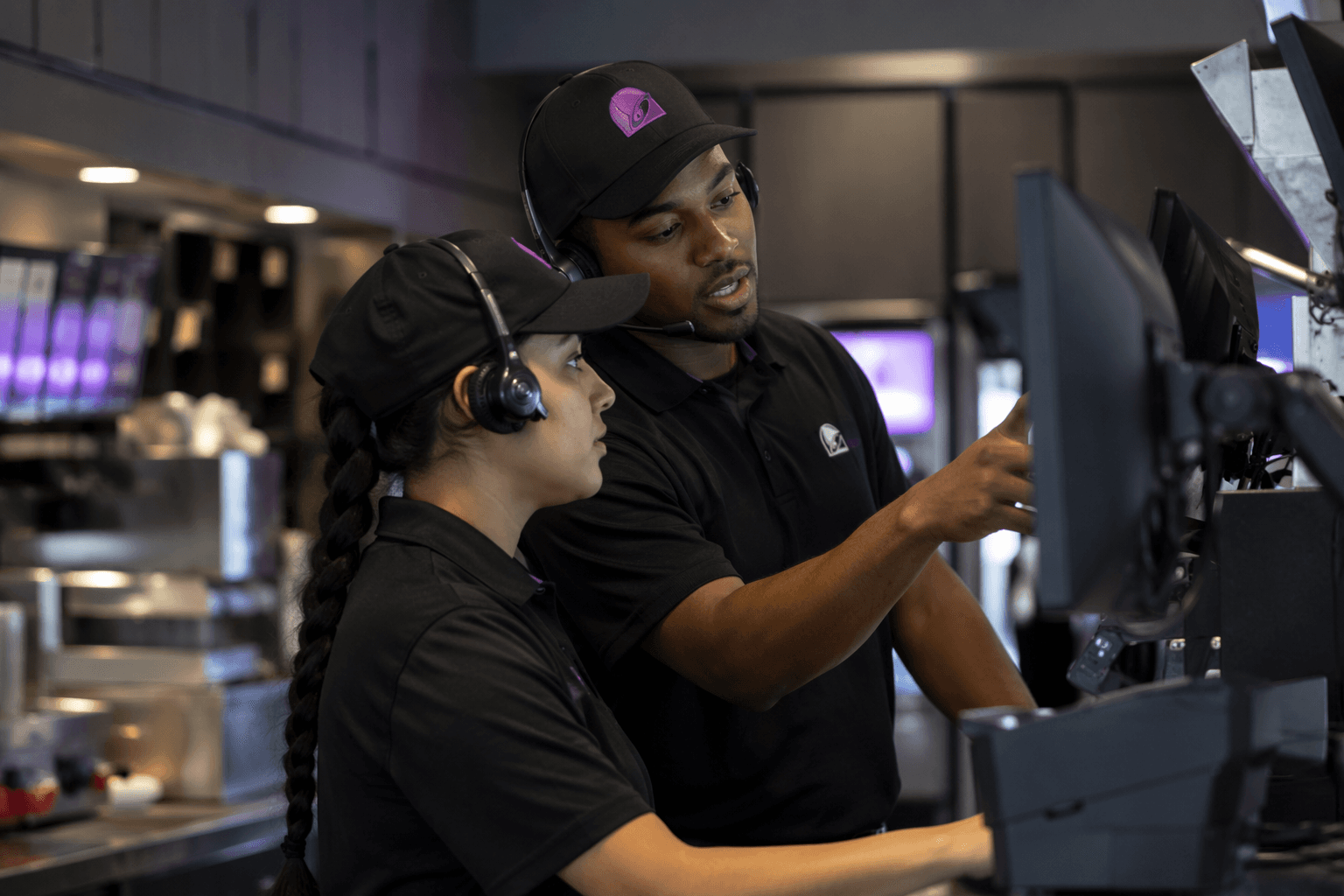
The other major shift is less visible to customers. Yum! Brands says its Byte by Yum platform is an AI-driven set of tools meant to streamline operations and empower teams, and industry coverage says Byte by Yum is already in roughly 80% of Taco Bell U.S. locations. Yum has also expanded Voice AI at Taco Bell drive-thrus, pitching it as a way to reduce task load, improve order accuracy and cut wait times for both workers and guests.
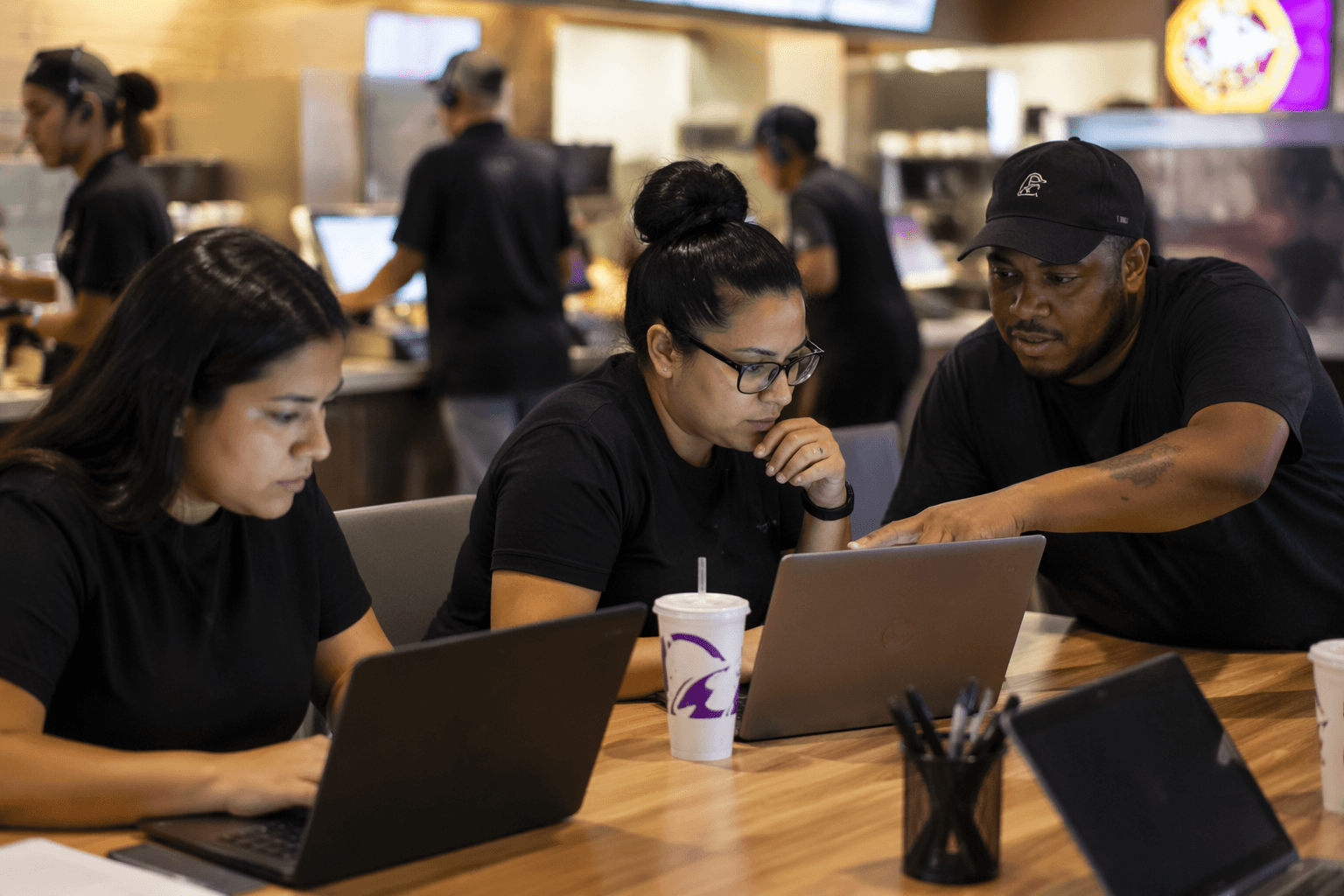
That is why AI matters to the average shift manager. Forecasting tools affect how many people get scheduled, coaching tools affect how work gets corrected, and order-routing systems affect whether the line stays smooth when the screen lights up all at once. In practice, that means more time spent reading labor forecasts, watching ticket flow and learning new equipment or software instead of relying only on muscle memory and the usual rush-hour routine.
What this means for wages, tips and ownership structure
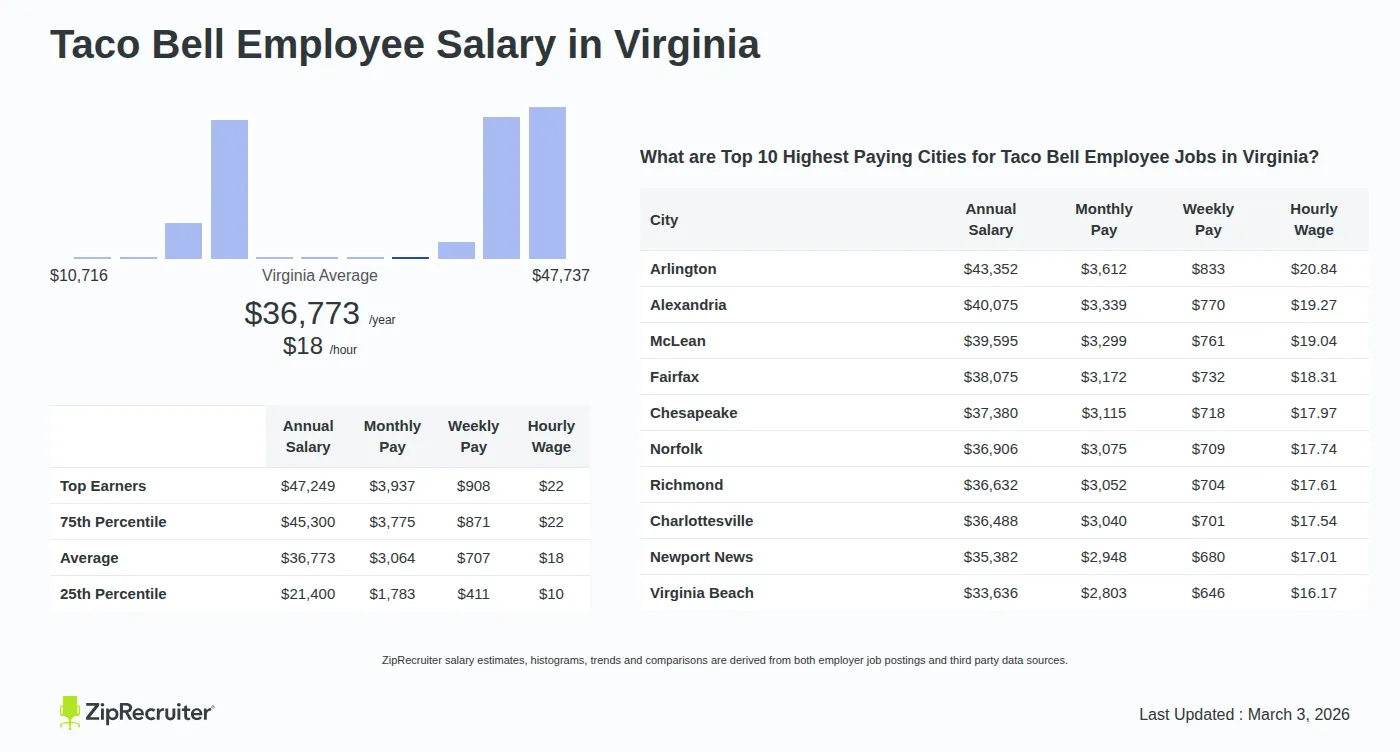
This trend arrives in a labor market where pay debates are still unsettled. The federal minimum wage remains $7.25 an hour, though many states require more, and federal tip rules still allow a tip credit in certain jobs that customarily receive tips. Taco Bell’s own careers page says openings can be at corporate-owned restaurants or at independently owned and operated franchisees, which means pay, scheduling and benefits can vary from store to store even under the same brand.
That distinction matters because new menu complexity and new tech do not land evenly across the system. A corporate unit may absorb a rollout with a different training calendar than a franchise location, and a market with a higher minimum wage will feel labor pressure differently than one that still sits closer to the federal floor. For crews, the practical takeaway is simple: the work is becoming more technical, but the compensation conversation is still local, and the stores that stay ahead will be the ones that pair training, staffing and pay with the extra demands of drinks, sauces and AI.
This article was produced by Prism’s automated news system from verified source data, official records, and press releases, then run through automated quality and moderation checks before publishing. The system is built and supervised by the people who set the standards it runs under. Read our full AI policy.
Did this article answer your question?