Taco Bell managers brace for July 2026 minimum wage increases
July 1 wage hikes hit Taco Bell payrolls in California, Chicago, DC and more, with some tipped rates changing too. Managers who miss the update risk bad paychecks.

Taco Bell managers are heading into the next pay cycle with a moving target: dozens of local wage floors rise on July 1, and payroll, scheduling and labor budgets will have to be updated before the first affected shift hits. For stores that already run on thin margins, the wrong wage table can turn into a compliance mistake fast.
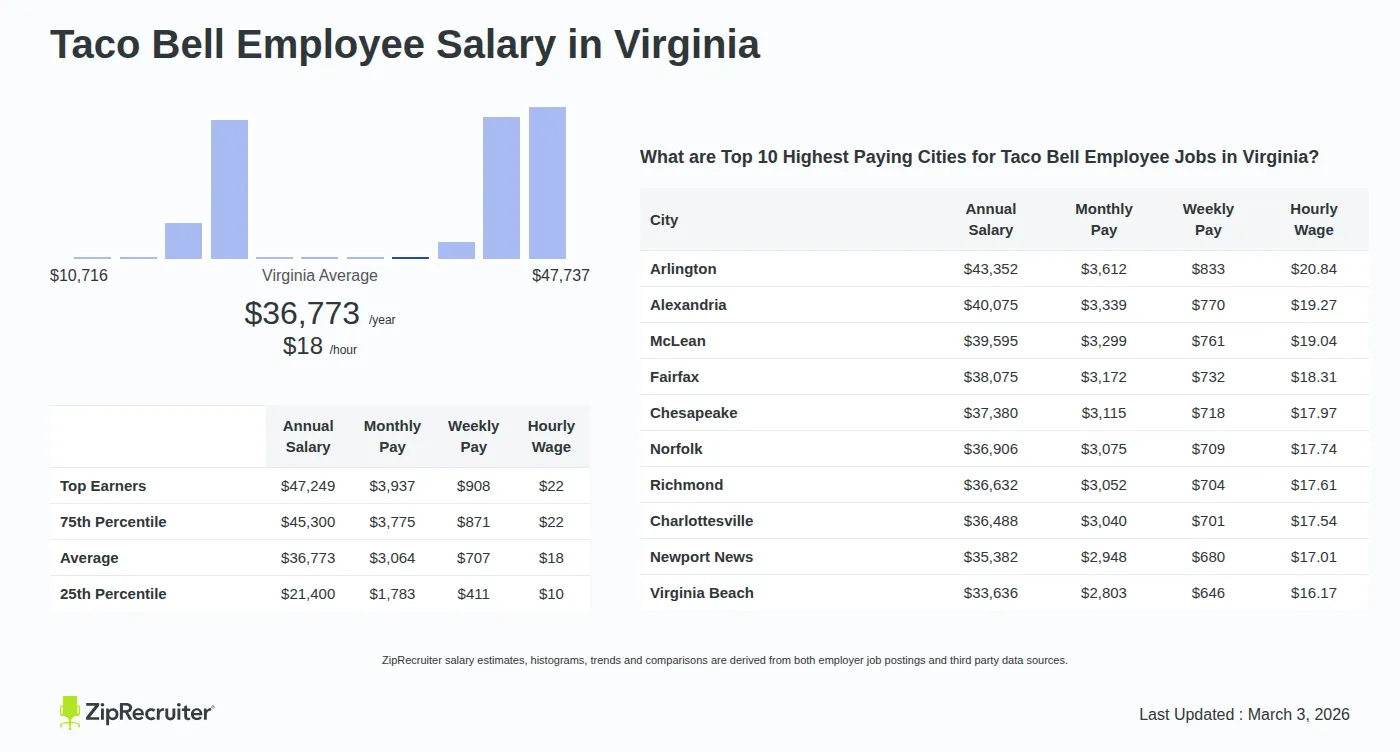
Ogletree Deakins says the midyear changes will touch California localities, the District of Columbia, Illinois, Minnesota, Oregon, Florida and other jurisdictions. The spread is wide. Emeryville will reach $20.34 an hour on July 1, Chicago will rise to $17.05, and Washington, D.C. will hit $18.40. The federal minimum wage still sits at $7.25, which only underscores how far apart Taco Bell’s wage floors can be from one market to the next.
California is the clearest example of why managers cannot treat wage updates as a once-a-year task. The state minimum wage will be $16.90 on Jan. 1, 2026, but covered fast-food workers are paid $20 under the state’s fast-food law, which took effect April 1, 2024 and can climb annually through 2029. That matters for Taco Bell because many stores operate in California cities with their own floors, including Berkeley, Emeryville, Los Angeles, San Francisco, Santa Monica and West Hollywood. West Hollywood’s non-hotel minimum wage is already $20.25, while hotel workers rise to $20.87 on July 1.
The tipped-wage side is just as easy to mishandle. Chicago’s tipped minimum wage will be $12.96 on July 1, while Cook County’s update sets a $9.25 tipped wage and a $15.40 floor for non-tipped workers. In the District of Columbia, the tipped base wage rises to $10.30. Florida’s tipped minimum wage stays at $10.98 through Sept. 29, before the state minimum reaches $15.00 on Sept. 30 under the constitutional wage schedule approved in 2020. Oregon’s rates remain region-based, with Portland metro at $15.45, and Minnesota’s statewide floor is $11.41, with Minneapolis at $16.37.


For store managers, the immediate job is simple but unforgiving: update payroll systems, refresh posted notices, and rebuild schedules around the new labor cost before the next pay cycle closes. The most common errors are outdated wage tables, missed city or county overlays, and pay plans that ignore where the work is actually performed. Higher base pay also pushes overtime and staffing math upward, which can narrow the gap between crew, shift leads and salaried managers. At Taco Bell, wage compliance is not background administration. It is part of keeping the restaurant open without a payroll surprise.
This article was produced by Prism’s automated news system from verified source data, official records, and press releases, then run through automated quality and moderation checks before publishing. The system is built and supervised by the people who set the standards it runs under. Read our full AI policy.
Did this article answer your question?