Taco Bell managers face moving payroll target as minimum wages rise
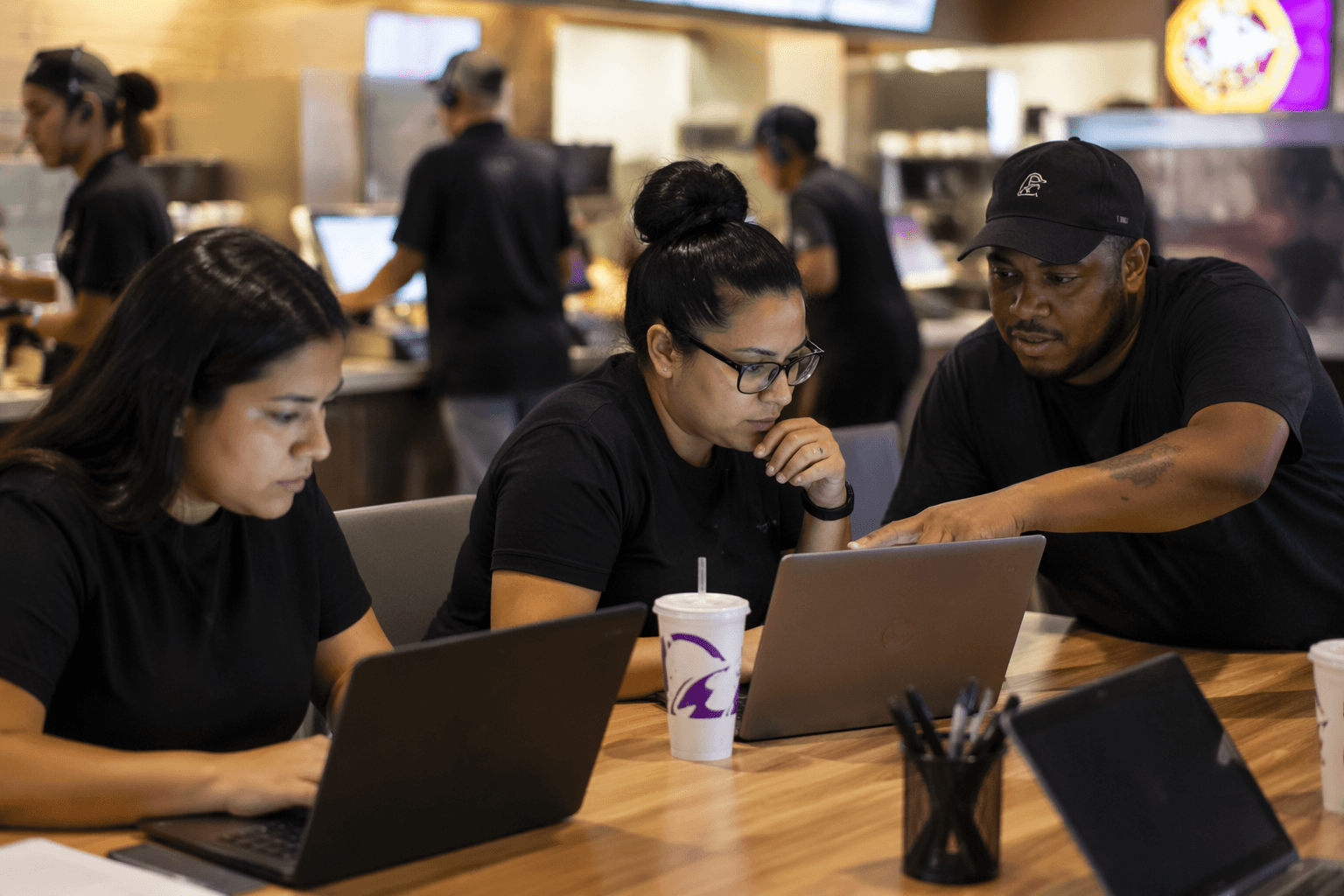
Higher minimum wages are forcing Taco Bell managers to rewrite schedules in real time, with the biggest pressure showing up in overtime, overlap hours, and cross-training.
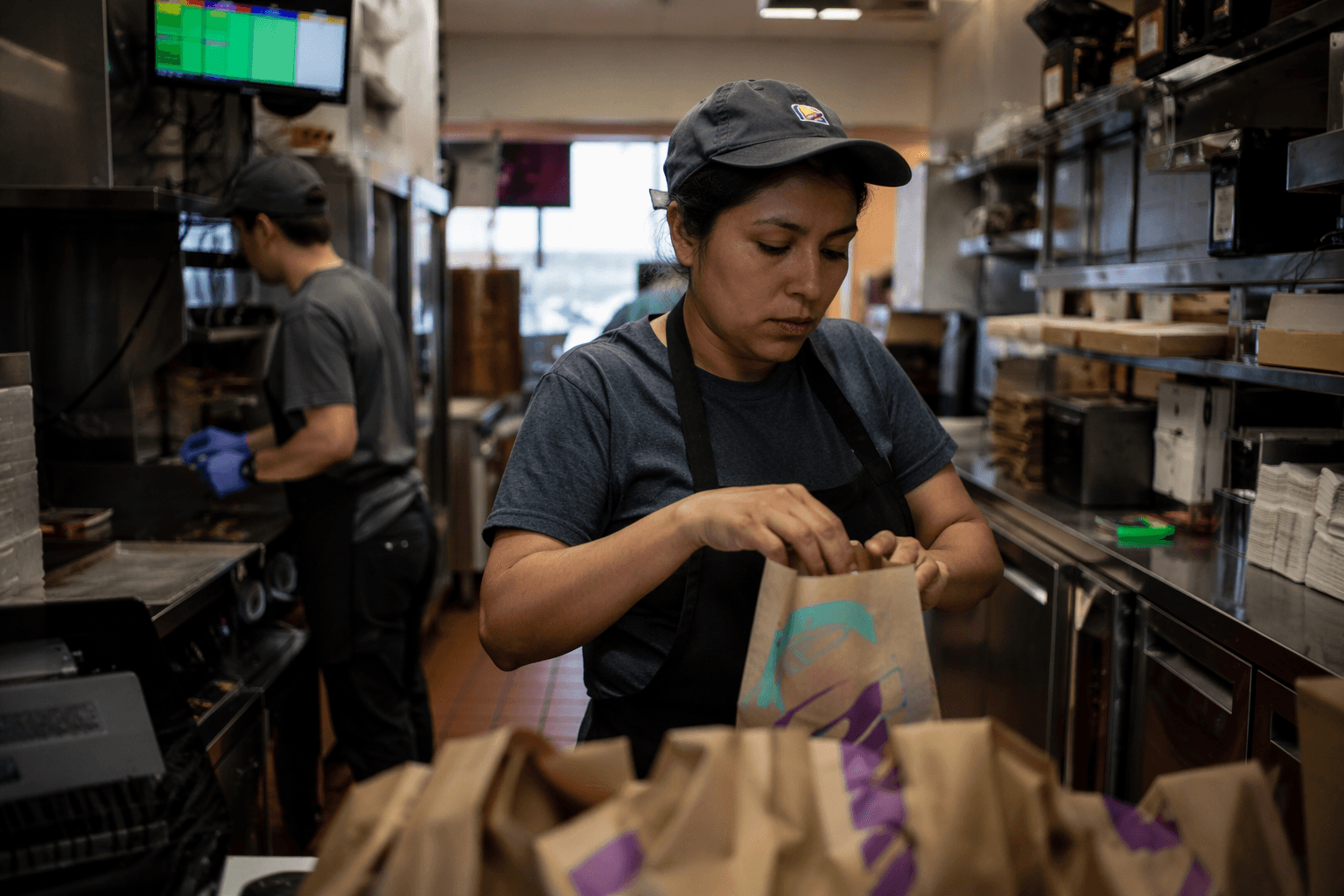
For Taco Bell managers, the payroll number is no longer a fixed target. As minimum wages rise across more states and cities, the real work is shifting from annual budgeting to day-by-day labor calls that decide whether a store can cover lunch, hold the drive-thru line, and stay inside margin.
The new math behind a Taco Bell schedule
The federal minimum wage is still $7.25 an hour, and it has not changed since July 24, 2009. At the same time, the U.S. Department of Labor says employers have to follow both the federal floor and any higher state minimum wage law, which is where the pressure on Taco Bell operators really starts to stack up.
By January 1, 2026, 19 states had already raised minimum wages, three more had increases planned later in the year, and eight states were already above the federal minimum. That means a multi-state Taco Bell operator is not dealing with one labor rate, but a patchwork that changes by market, by franchise group, and sometimes by the city limit line.
For managers, that changes the whole logic of scheduling. Labor can no longer be set once and forgotten; it has to be watched in real time, because a mid-afternoon lull can burn through margin just as quickly as a lunch rush can expose a short-staffed line.
Why this hits Taco Bell harder than a generic restaurant
Taco Bell runs on short, intense surges. If the right people are not in the right stations at the right minute, service speed drops, order accuracy slips, and the guest experience falls apart fast. That makes wage pressure more than a finance problem. It is a floor-level operations problem that shows up first in the drive-thru, then in the labor report, and finally in guest satisfaction scores.
The practical tradeoff is simple: higher wages make every scheduled hour more expensive, so managers are pushed to protect each hour more carefully. That can mean trimming unnecessary overlap, tightening the number of bodies on the clock during slower parts of the day, and expecting crew members to cover more than one station without losing speed.
Yum! Brands said Taco Bell U.S. posted 8% same-store sales growth and margin expansion in Q1 2026, which is a reminder that the brand’s profitability still depends on labor execution. If staffing is too loose, profit leaks away. If staffing is too tight, the line backs up and the store loses transactions.
What the law requires managers to keep in view
For Taco Bell restaurants and fast-food businesses, the U.S. Department of Labor says the Fair Labor Standards Act applies when annual gross sales total at least $500,000. It also requires overtime pay at one and one-half times the regular rate after 40 hours in a week.
That matters because wage hikes do not only raise base pay. They can also pull more people into overtime territory faster, especially when managers rely on a small core of experienced shift leaders to patch holes in the schedule. If a store is already running close to the 40-hour line, a wage increase can turn a staffing shortcut into a much more expensive week.
The same federal and state rules also push managers toward more precise labor planning. A store cannot assume that a schedule built for one market will work in another, especially when some states are moving up and others are already far above the federal floor.
California is the clearest stress test
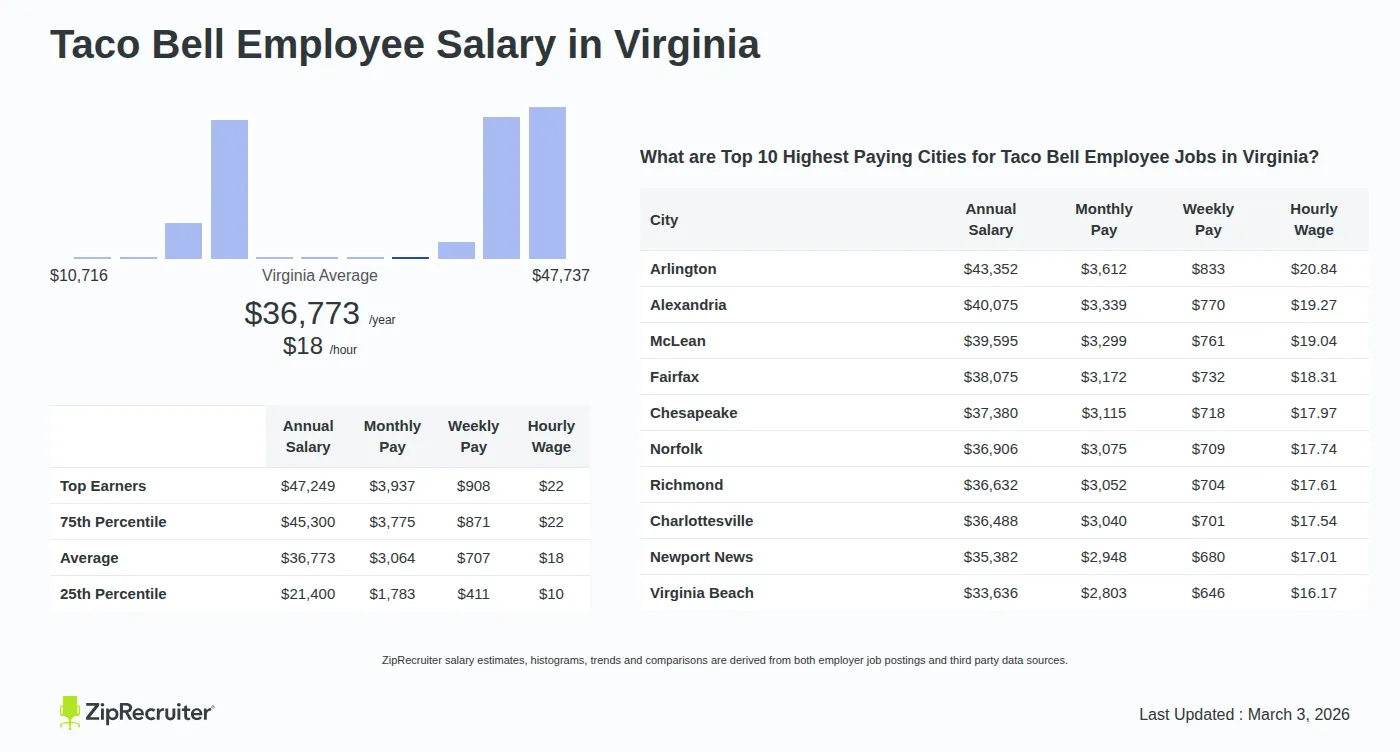
California shows how fast the payroll target can move. The state’s general minimum wage is $16.90 an hour effective January 1, 2026. For covered fast-food restaurant employees, the minimum wage is $20 an hour, effective April 1, 2024.
California’s Department of Industrial Relations also notes that some cities and counties set higher local minimum wages than the state floor, which adds another layer of complexity for Taco Bell operators with stores spread across the state. A manager in one market cannot simply copy a schedule from another and expect the numbers to work.
The stakes are not theoretical. CNBC reported that California fast-food worker turnover was down after the wage hike and that widespread closures did not materialize, even as franchisees said sales and profits were under pressure and consumers were paying more. The California law also created a council that can recommend industry standards and raise the hourly minimum wage annually, which means operators are facing an ongoing recalibration, not a one-time adjustment.
What managers are being pushed to do differently
The most useful response is not to squeeze the store harder, but to schedule smarter. Real-time labor monitoring, tighter daypart planning, and stronger cross-training are becoming the core tools for keeping wages, service, and throughput in balance.
- Watch labor by daypart, not just by week. Lunch and dinner can carry the store, while a slow mid-afternoon stretch can quietly eat into margin.
- Cross-train crew members to move between drive-thru, front counter, prep, and expo. In a wage-sensitive store, flexibility is often cheaper than adding another body.
- Match your strongest performers to the busiest windows. A schedule built around the right people in the rush is usually more efficient than a schedule built around simple hour counts.
- Recheck overtime before it hits. One long week can turn a manageable labor plan into a costly one.
- Treat local wage rules as part of the staffing model. A California store, an Alaska store, and a store in a state still closer to the federal floor do not run on the same payroll assumptions.
That last point matters even more in Taco Bell’s franchise-heavy system. Much of the brand is operated by franchisees and licensees, so wage pressure does not land evenly. Multi-store owners and multi-state operators may feel the strain first, but the effect reaches every shift leader trying to balance coverage, speed, and hours.
The real workplace consequence
Higher minimum wages are not just changing what Taco Bell pays at the register or in the payroll system. They are changing how managers build schedules, how much overlap they can afford, how hard they lean on cross-training, and how much pressure lands on the people already on the floor.
For Taco Bell crews, that can mean tighter shifts, more expectations to float between stations, and less room for sloppy scheduling. For managers, it means the labor line has become a moving target, and the stores that keep up will be the ones treating payroll like an operating decision, not a once-a-year spreadsheet exercise.
This article was produced by Prism’s automated news system from verified source data, official records, and press releases, then run through automated quality and moderation checks before publishing. The system is built and supervised by the people who set the standards it runs under. Read our full AI policy.
Did this article answer your question?