Taco Bell managers face rising child labor enforcement risks
Three Maine sports bars were ordered to pay $51,775 in back wages and $31,436 in penalties, a warning for Taco Bell managers juggling teen schedules and pay rules. Child labor cases and wage claims are piling up together.
Three Maine sports bars were ordered to pay $51,775 in back wages to 47 employees and $31,436 in civil money penalties after a federal court entered a consent order on June 22, 2026. The case matters far beyond those bars: the U.S. Department of Labor said it resolved allegations that included both wage violations and child labor violations, a combination that can turn one bad schedule or pay practice into a larger compliance problem.
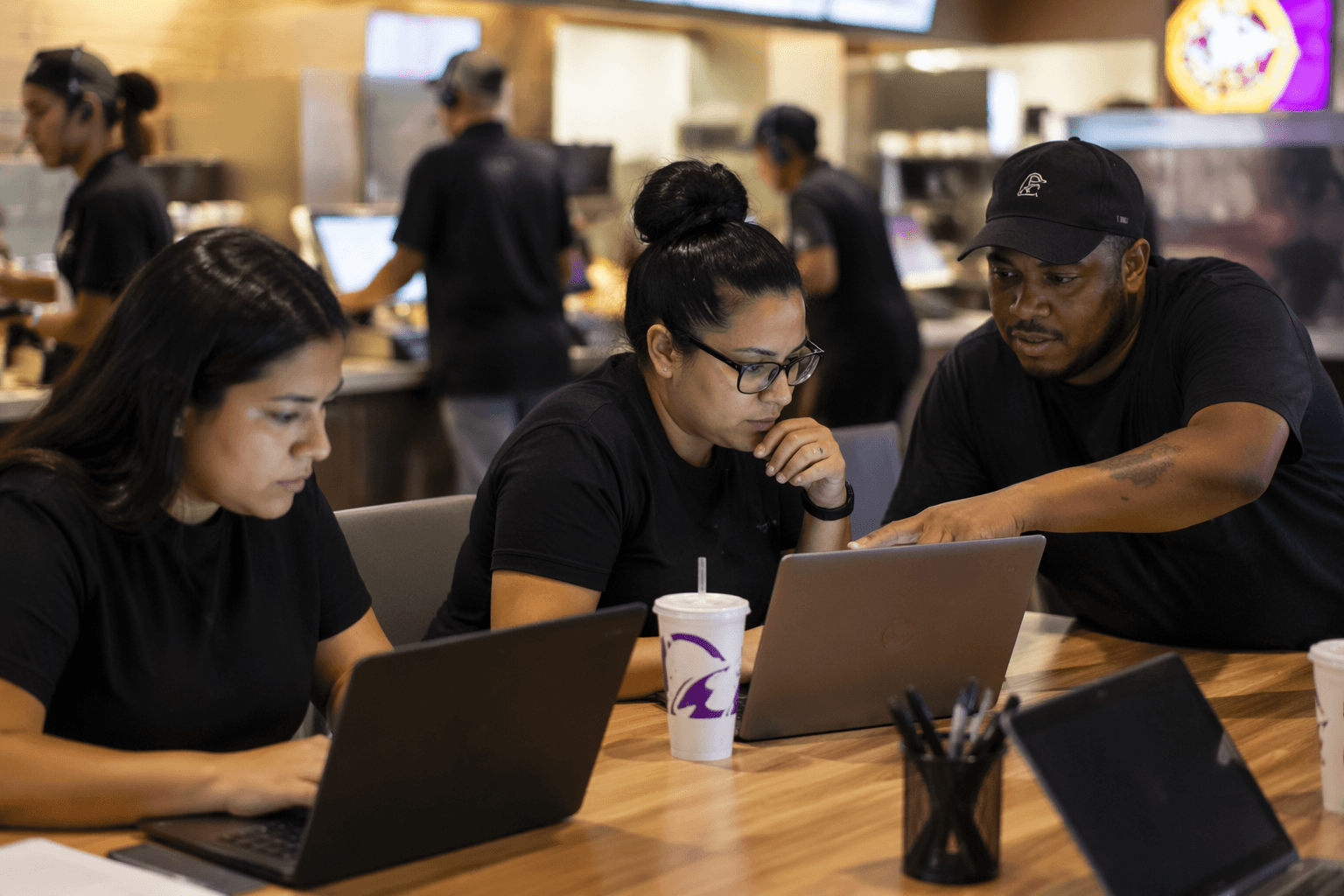
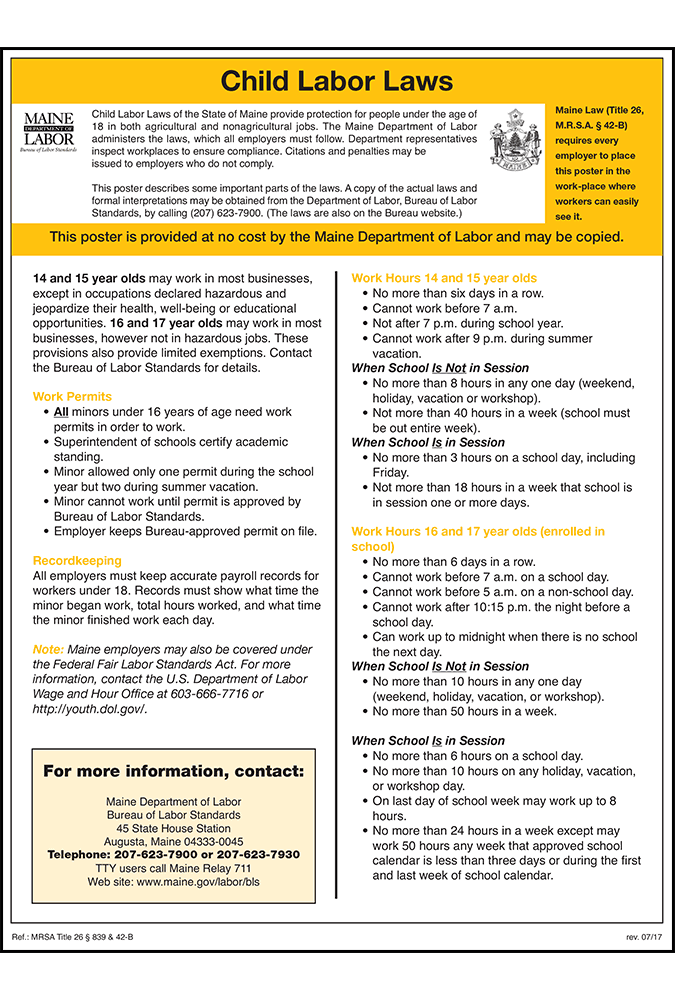
For Taco Bell managers, the warning signs are familiar. Summer hiring brings in younger workers, and that raises the stakes on hours, duties and timekeeping. Workers under 18 can only do permitted tasks, and workers ages 14 and 15 can only work specific hours. When a shift includes off-the-clock work, inaccurate clock-ins or a teen assigned to a prohibited task, the issue is not just payroll. It can become evidence in a child labor case as well.

The enforcement numbers show how aggressively the Wage and Hour Division has been pursuing these cases. In fiscal year 2024, the department said it handled 736 child labor cases involving 4,030 children and assessed more than $15.1 million in civil money penalties. Its fiscal year 2025 data climbed higher, with 976 cases involving child labor violations, 5,272 minors employed in violation and $37,215,327 in civil money penalties. Between 2019 and 2024, the department said the number of children employed in violation of federal child labor laws rose 31%.
That matters in restaurants because wage theft and child labor problems often overlap. A store that is shaving hours, asking workers to prep before the clock starts, or letting a minor work beyond legal limits is creating a paper trail regulators can follow. The DOL says youth workers are generally entitled to the same minimum wage and overtime protections as older adults, so underpaying a teen or ignoring overtime rules does not soften the risk. It makes the case stronger.
Maine adds its own layer. State guidance says employers must follow whichever law gives the minor more protection when federal and state rules overlap. Maine statute limits enrolled 16- and 17-year-old minors to 24 hours in a school week and 50 hours in a week when school is not in session. The state’s youth employment guide says Maine passed its first child labor law in 1847, a reminder that these rules were built to stop exactly this kind of exploitation.
For Taco Bell crews and shift leaders, the compliance checklist is plain: keep minors off prohibited tasks, keep schedules within the hour limits, keep time clocks accurate, and keep pay records clean. In a restaurant where one rushed shift can trigger both wage and child labor scrutiny, those basics can keep a store open and out of a federal case.
This article was produced by Prism’s automated news system from verified source data, official records, and press releases, then run through automated quality and moderation checks before publishing. The system is built and supervised by the people who set the standards it runs under. Read our full AI policy.
Did this article answer your question?