Taco Bell managers urged to build culture that keeps workers longer
Younger workers are harder to keep than at any point since the 1970s, pushing Taco Bell managers to treat culture, scheduling and coaching as retention tools.

At Chicago’s National Restaurant Association Show on May 21, restaurant leaders were warned that the labor problem is no longer just about filling openings. The industry has not faced a younger-worker pinch like this since the 1970s, and more than half of restaurants are still struggling to recruit and retain staff.
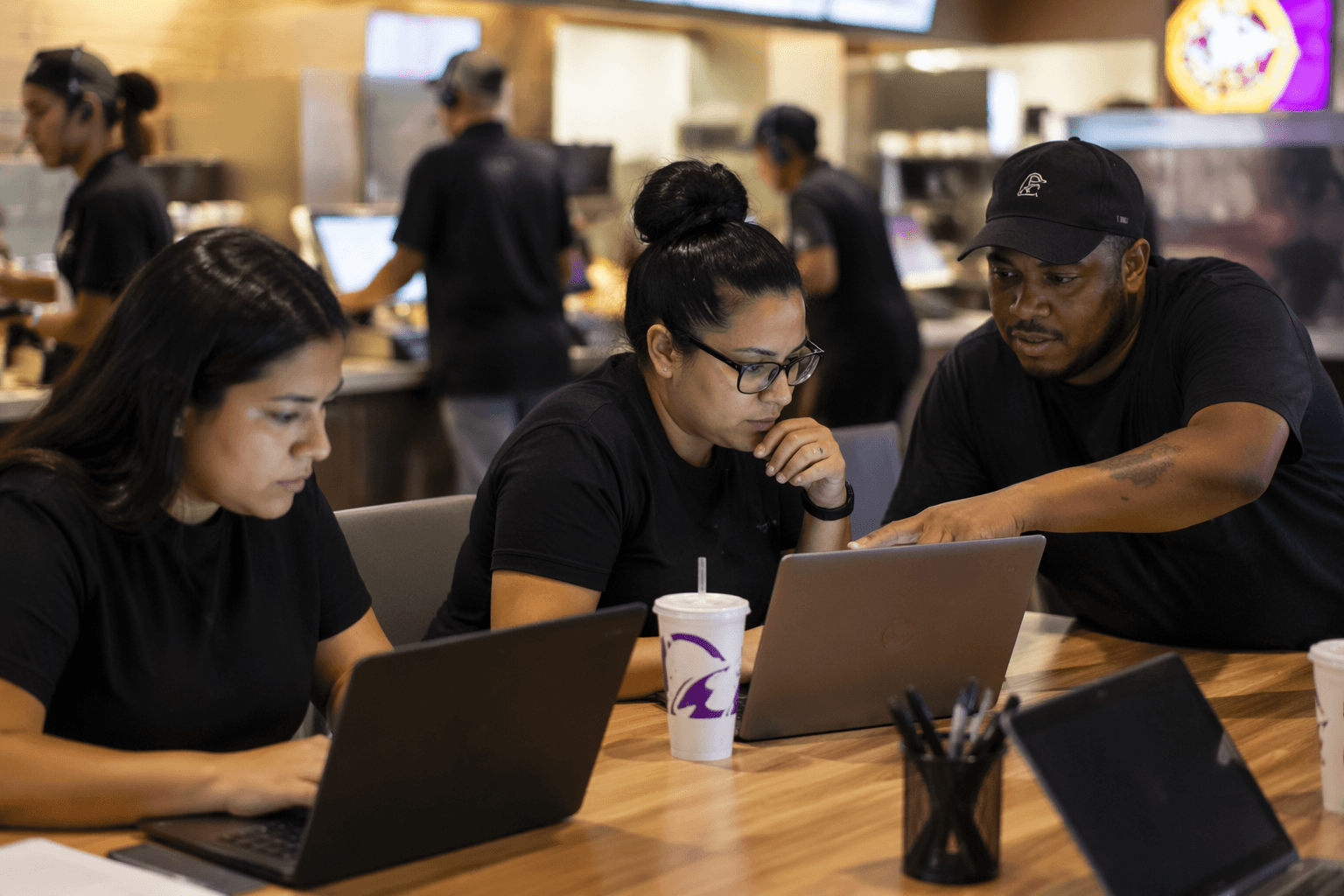
That matters for Taco Bell shift managers and restaurant managers because the job is already built around long hours, physical strain, difficult guests and pressure to move a line when labor is short. The message from the session was blunt: culture is not a soft perk. It is the operating system that determines whether crew members stay long enough to become reliable, trainable and worth investing in.
For Taco Bell, the operational stakes are already visible. In 2025, the company said Team Member retention in company-owned restaurants improved year-over-year by 17%, while restaurant general manager vacancy fell 27%. Taco Bell’s careers materials say Team Members can gain new skills and grow their careers, and Shift Leads can learn to train team members and run shifts smoothly. Those are not abstract promises in a labor market like this. They are the tools that can reduce chaos on the floor, tighten shift coverage and keep a dinner rush from turning into a staffing problem.
The broader industry conversation also lines up with how Taco Bell is trying to recruit younger workers. The Taco Bell Foundation says it has reached nearly 12 million young people since 1992 and awarded more than $231 million in grants and scholarships. Its 11th annual Live Más Scholarship opened in October 2025 with an estimated $14.5 million in awards for applicants ages 16 to 26, along with mentorship and career-building resources. In a fast-food workforce that depends heavily on younger employees, that pipeline is part recruiting pitch, part retention strategy.
The real test for Taco Bell managers is whether those promises show up in day-to-day conditions. Workers do not stay for slogans about belonging if schedules keep changing, training is thin or advancement feels out of reach. Taco Bell says it has been named in TIME Magazine’s 100 Most Influential Companies and Fast Company’s Most Innovative lists, but the harder measure is whether those claims translate into steadier staffing, fewer understaffed shifts and a workplace where crew members see a path worth sticking with.
This article was produced by Prism’s automated news system from verified source data, official records, and press releases, then run through automated quality and moderation checks before publishing. The system is built and supervised by the people who set the standards it runs under. Read our full AI policy.
Did this article answer your question?