Taco Bell managers urged to make dine-in worth the visit
Taco Bell’s next dine-in advantage is not another discount, but a cleaner lobby, smoother handoff and a dining room that feels worth the stop.

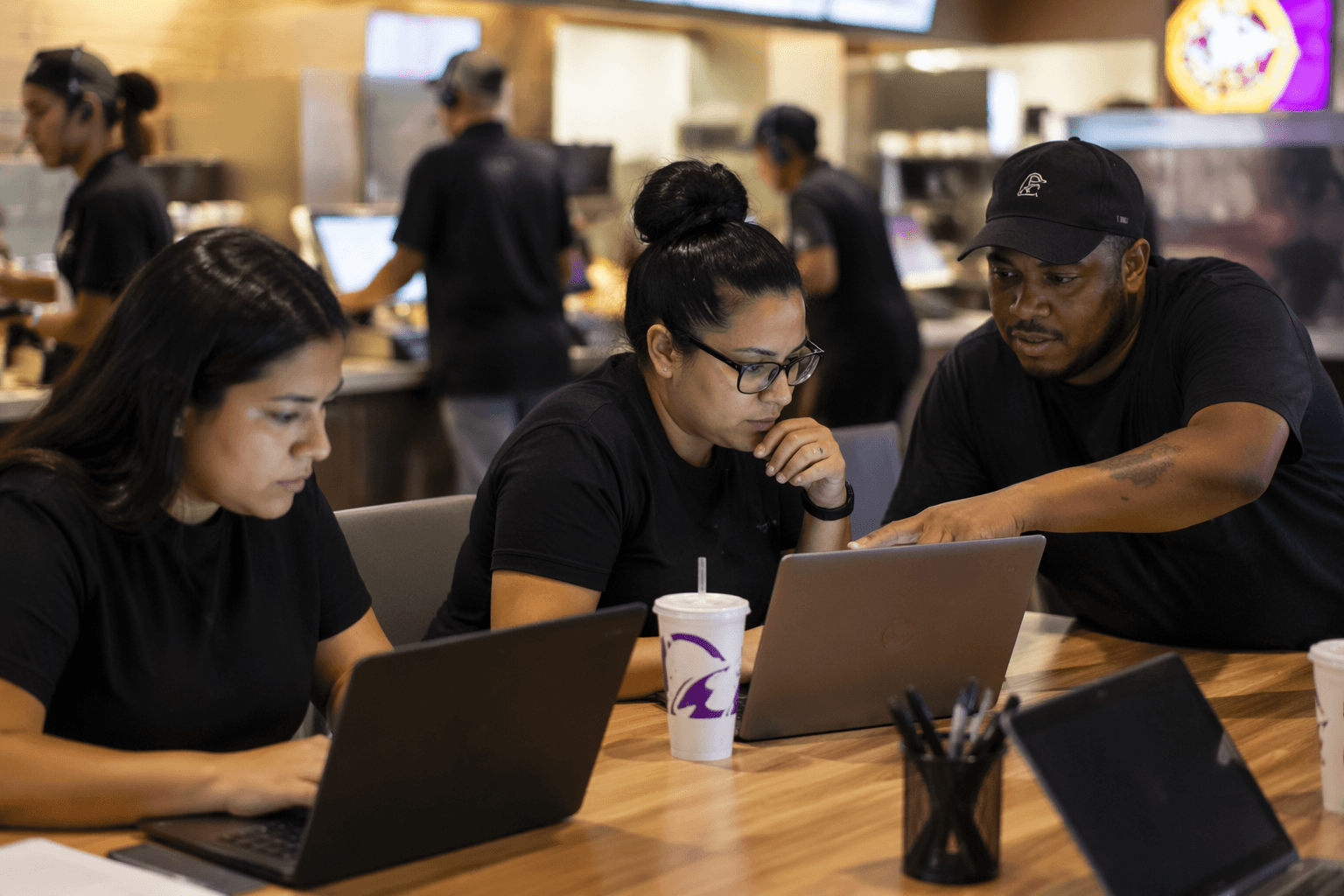
Taco Bell’s next fight is not getting the order right. It is giving people a reason to stay after convenience has already been solved by drive-thru, app ordering, delivery and takeout. That is the core of Steve Starr’s point, and it lands squarely on the dining room, where cleanliness, lobby flow, music, employee touchpoints and beverage execution turn a stop into a visit.
Convenience is no longer the whole pitch
The pandemic trained restaurants to get faster and better at off-premises service, but it also made many dining rooms feel optional. Starr’s argument is that diners still go out for two main reasons, convenience and social experience, and convenience has dominated for years because restaurants got so good at making food travel well and arrive quickly. Once a guest knows they can get Taco Bell anywhere, the restaurant has to answer a tougher question: why sit inside at all?
That matters because dine-in checks are often higher, and beverages can be a bigger part of the value proposition than crews may realize on a busy shift. If the order is already fast and accurate, the experience inside the building has to carry more of the sale. For Taco Bell teams, that puts a premium on small operational details that are easy to dismiss when the line is long.
What Taco Bell is really selling inside the building
Taco Bell has framed its own strategy around giving fans “more ways to enjoy their favorites” and “more ways to stay connected.” Sean Tresvant, Taco Bell’s Global Chief Executive Officer, has also described the brand’s R.I.N.G. strategy, which stands for Relentlessly Innovative Next-Generation Growth, while keeping the focus on fan experience and omnichannel touchpoints. That is corporate language, but on the floor it translates into a simple expectation: the restaurant has to feel connected, not chaotic.
The dining room still matters in Taco Bell’s mix, especially in Cantina-style restaurants, beverage-forward formats and late-night stores where seating can be part of the sales story. In those units, the guest journey does not end at the pickup shelf. It continues through the front counter, the lobby, the drink station and the table, and every one of those points can either reinforce the visit or make it feel like a better idea to leave with the bag.
The beverage push makes dine-in more valuable
Taco Bell’s Live Más Café rollout sharpens that point. CNBC reported in October 2025 that the chain was rolling out Live Más Cafés inside existing restaurants, with special beverages ranging from frozen coffees to lemonades and energy drinks. Taco Bell also said in 2025 that it would open 30 new Live Más Café locations that year, and USA Today reported that the chain has a plan to grow beverage revenue to $5 billion by 2030.
That is not just a menu story. It is an operations story about the building itself. Cold drinks, specialty beverages and café-style items reward a restaurant that feels intentional, because guests tend to notice whether the lobby is clean, the drink handoff is organized and the seating area looks like it belongs in the same experience as the new beverage lineup. If the beverage push is going to pull traffic beyond the core food occasion, managers have to make the inside of the restaurant part of the attraction.
What managers can improve this month
Starr’s point is not that every chain needs to become a sit-down restaurant. It is that food alone is no longer a strong enough answer when guests can get a meal nearly anywhere. For Taco Bell managers, the most useful takeaway is operational: the in-store experience has to be deliberate.
Start with the parts of the visit a manager can actually control right now:
- Keep the lobby visibly clean throughout the day, not just after a rush. Tables, floors, trash bins and condiment areas send a stronger signal than any poster on the wall.
- Separate dine-in and mobile pickup traffic as clearly as the layout allows. Confused handoffs create friction, and friction makes staying feel less appealing.
- Treat music, lighting and the overall vibe as part of the order. The room does not need to be fancy, but it should feel cared for.
- Make employee interactions warm and efficient. A quick greeting, a clear handoff and a visible presence on the floor matter more than most corporate slogans.
- Watch the drink station and beverage routines closely. If beverages are supposed to help drive traffic, they also need to look and feel like part of the experience.
These are not cosmetic extras. They are the practical signals that tell a guest the dining room has a purpose. When those signals are missing, the brand is asking people to pay for the same convenience they could have had from the car.
Why the labor side of this gets bigger, not smaller
The workplace implication is obvious to anyone managing a shift: as restaurants compete harder on experience, hourly workers become more visible to the customer. Hospitality is not a side effect of the meal anymore. It is part of the product, which means the crew member wiping a table, the cashier guiding a pickup flow and the shift lead keeping the room moving all shape the guest’s decision to stay.
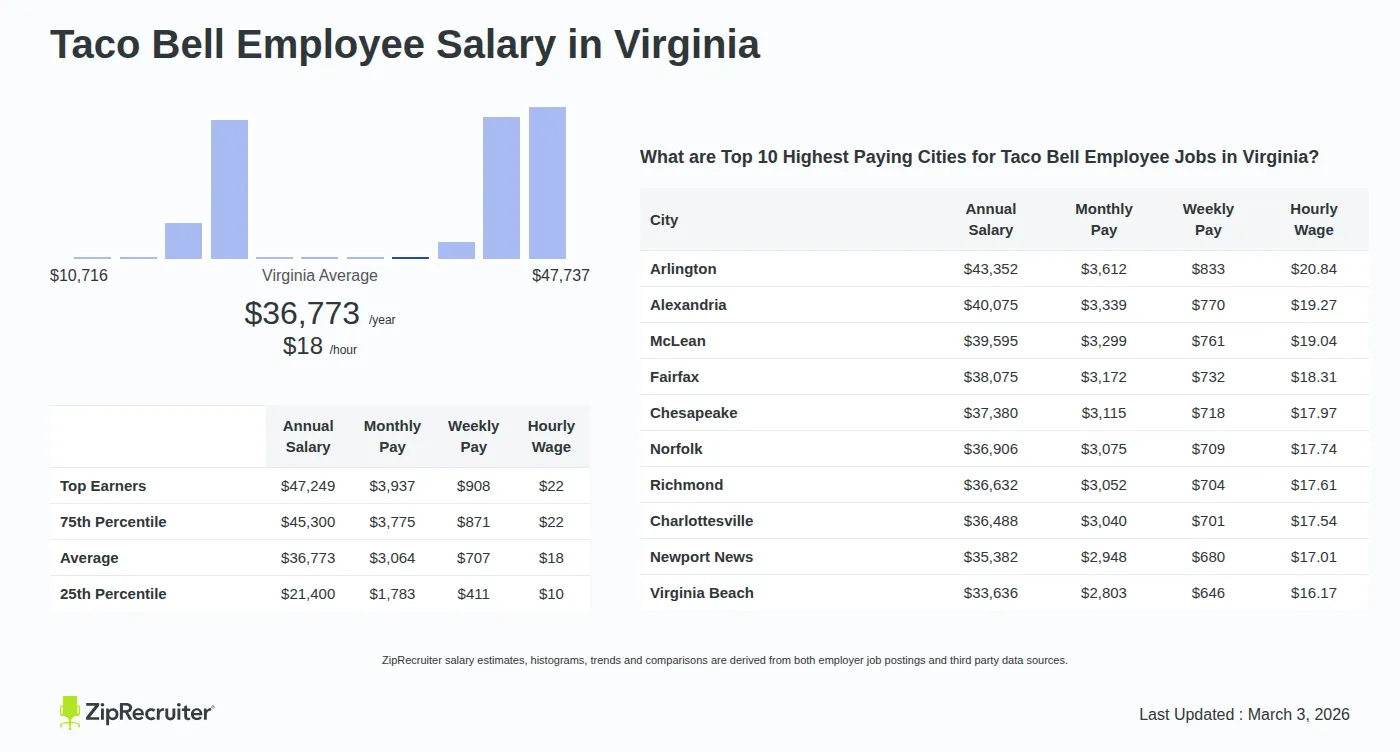
That matters in a labor market where restaurant work already sits inside ongoing debates about pay, scheduling and what the customer is really paying for. Taco Bell is not immune to those pressures, especially as it keeps expanding. Yum! Brands said Taco Bell opened 347 gross-new locations across 25 countries in 2025, bringing the total to 8,757 restaurants, so the company is growing by scale while asking each unit to deliver more of the experience in house. A 2020 peer-reviewed study also found that menu price is the top priority in restaurant selection across full-service, quick-casual and quick-service concepts, but that choice criteria shift by dining occasion. In other words, price still gets people in the door, but the reason they linger depends on the moment.
That is the balancing act for Taco Bell managers now. Off-premises traffic will stay huge, and the National Restaurant Association says nearly 75% of all restaurant traffic now happens off-premises. But its 2026 State of the Restaurant Industry report also says 61% of adults consider dining out essential to their lifestyles. The dining room is not dead. It is just competing harder for the part of the meal that used to be taken for granted.
For Taco Bell, that means the win is not only speed. It is making the inside of the restaurant feel clean, connected and worth the stop, so the guest sees a reason to stay instead of only a reason to leave.
This article was produced by Prism’s automated news system from verified source data, official records, and press releases, then run through automated quality and moderation checks before publishing. The system is built and supervised by the people who set the standards it runs under. Read our full AI policy.
Did this article answer your question?