Taco Bell managers warned restaurant tech may miss critical cash timing
Taco Bell managers can have a busy store and still be flying blind if cash, labor and bills do not line up in real time.
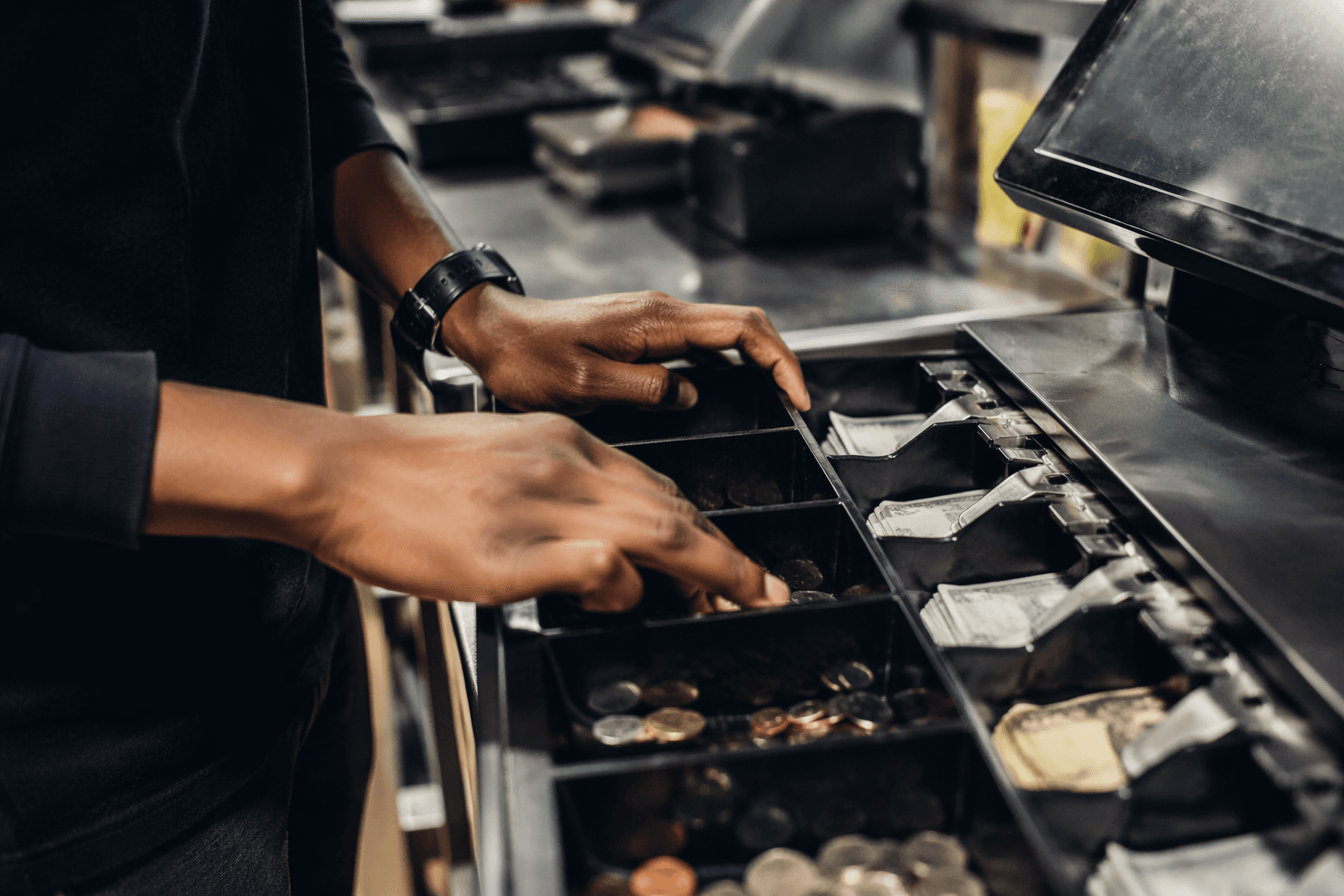
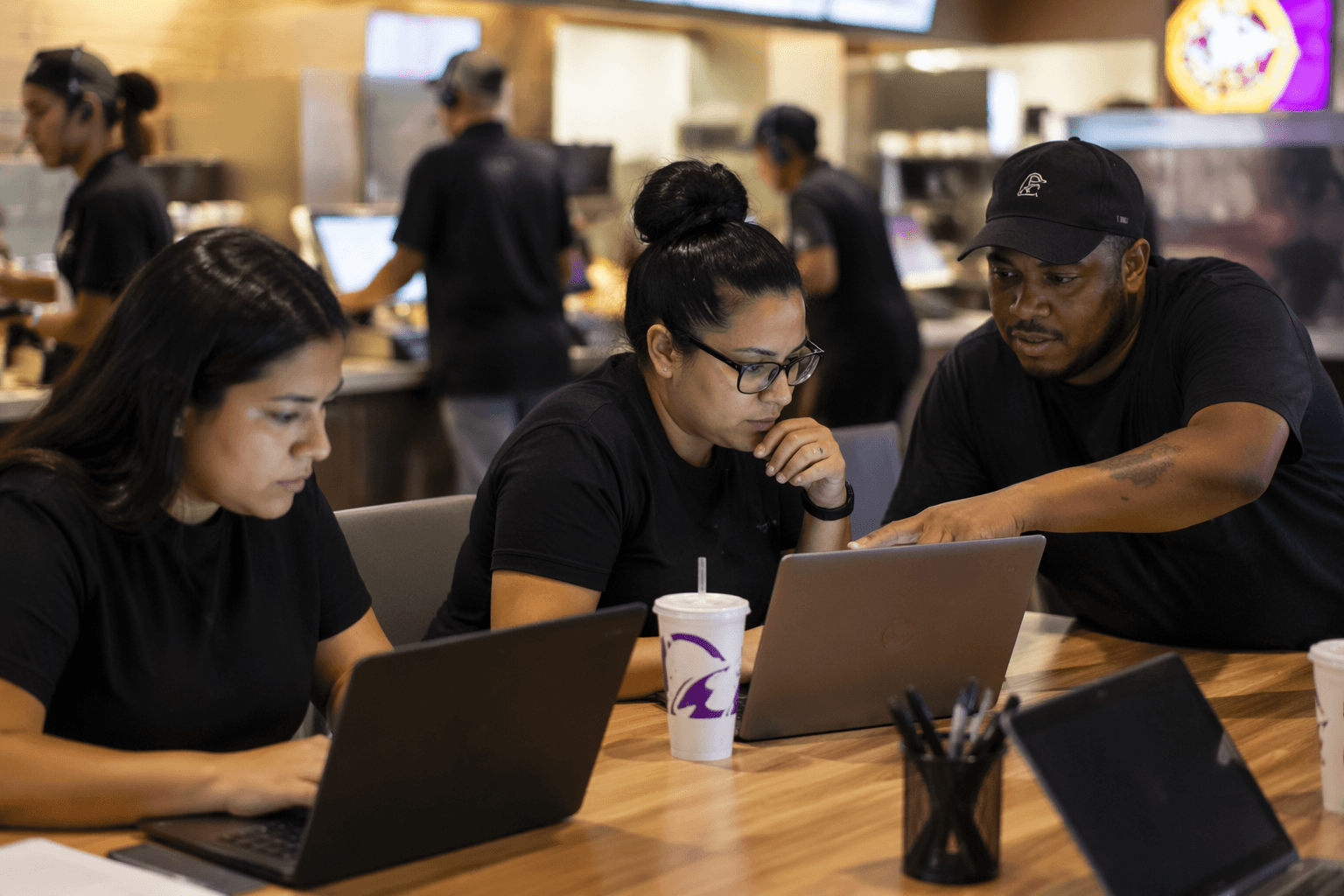
A Taco Bell can look busy and still be headed for trouble if managers are seeing yesterday’s numbers. Toast executive Michel Rbeiz argued in a June 12 opinion piece that restaurant financial systems are built on the wrong assumptions, a warning that hits hard in an industry where pre-tax margins often run just 3% to 5%.
For Taco Bell shift leads and store managers, the problem is practical: payroll, rent, repairs and vendor bills do not wait for a clean report to catch up. If cash, labor and invoice timing are buried in separate tools, a manager may not know until too late that a strong lunch rush is not enough to cover the week’s obligations. That leaves the floor to absorb the fallout through tighter staffing, rushed ordering, delayed repairs and sharper pressure to keep every hour productive.

The warning lands in a system that is still overwhelmingly franchise driven. Yum! Brands said that at December 31, 2025, 97% of its concepts’ units were operated by independent franchisees or licensees, and the company says it operates or franchises more than 63,000 restaurants in 155 countries and territories, working with about 1,500 franchisees. Taco Bell is one of the company’s biggest growth engines, with Yum reporting 7% same-store sales growth for the chain in full-year 2025.
At the same time, Yum has been leaning into technology. The company held Taco Bell Consumer Day on March 4, 2025 to lay out its long-term strategic vision for the brand, then announced an industry-first collaboration with NVIDIA on March 18, 2025 to accelerate AI across its restaurants. For managers on the ground, that creates a clear test: if the software and automation do not surface real-time cash, labor and supply timing, they do not solve the problem that matters at 2 p.m. on a slammed Friday.
The economics of opening and running a Taco Bell make that gap even more costly. Public 2026 franchise summaries put the initial investment at roughly $1.86 million to $4.31 million, with a $45,000 franchise fee, and ongoing royalties around 5.5% to 6% of gross sales. At those levels, even a modest miss in scheduling, ordering or vendor timing can squeeze the narrow cushion left after fixed costs, debt service and buildout expenses.
The risk is not theoretical. In March 2026, New York City announced a $1.5 million settlement tied to a Taco Bell and Dunkin’ franchisee over alleged scheduling violations, a reminder that bad labor management can become an expensive compliance problem as well as an operational one. Taco Bell launched its first restaurant in Downey, California, in 1962 and sold its first franchise in 1964; today, the pressure is different, but the message to managers is the same: if the technology cannot show the real clock on cash and labor, the crew feels it first.
This article was produced by Prism’s automated news system from verified source data, official records, and press releases, then run through automated quality and moderation checks before publishing. The system is built and supervised by the people who set the standards it runs under. Read our full AI policy.
Did this article answer your question?