Taco Bell menu cuts aim to speed service and ease crew stress
Taco Bell’s menu cuts are meant to speed the line, but the real test is whether fewer items cut crew stress or just add rollout chaos.
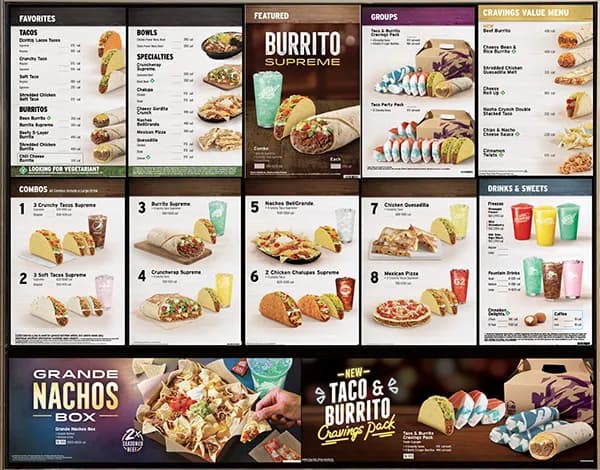
On August 13, 2020, Taco Bell began removing a dozen menu items, including Nachos Supreme and the 7-Layer Burrito. The Yum! Brands chain said it was finishing a "new streamlined menu" to make room for new innovations and create "a faster and more seamless restaurant experience than ever before," describing a shift that can change how crews prep, build, and ring up orders.
Why fewer items can mean less stress on the floor
Menu complexity is one of the fastest ways to slow down a fast-food shift: fewer combinations usually means fewer special steps, fewer rebuilds, and fewer moments when a new hire has to stop and ask what goes on a ticket.
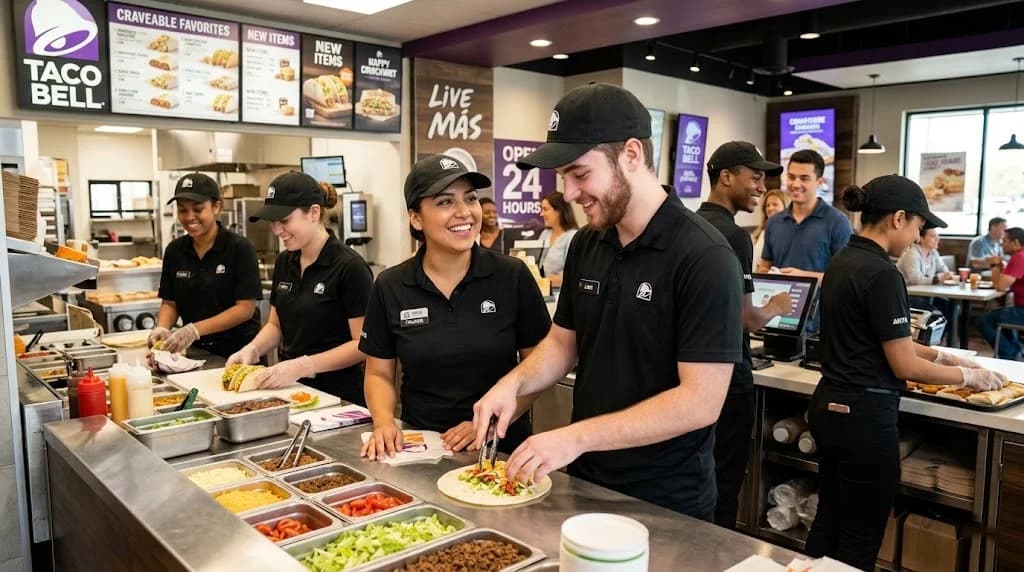
For crew members, the upside is practical. A simpler menu can shorten order times, reduce mistakes, and make training easier in a business where turnover is high and stores often need new workers up to speed fast. It can also cut waste and improve line speed, which gives shift managers more room to balance labor with service when the lobby is full, the drive-thru is stacking up, and the line is already deep in customized orders.
The catch: simplification only helps if the whole store is rebuilt around it
A menu cut does not automatically make work easier. If the drive-thru screen, the POS, the prep charts, and the station setup do not match the new menu, the burden shifts back to workers, who are left explaining missing items, fielding guest complaints, and fixing confused orders one ticket at a time.
Taco Bell has said menu changes are about creating room for new innovations, not just removing clutter. For managers, the work does not end when an item disappears from the board. It moves into training, signage, prep sequencing, and making sure the crew can execute the new setup without slowing service or raising error rates.
Taco Bell keeps pairing simplification with new launches
In 2024, Taco Bell used its first-ever Live Más LIVE event in Las Vegas to unveil "a year’s worth of product announcements and partnerships," while also promising behind-the-scenes access and exclusive tasting opportunities for fans. Store teams have to absorb a cleaner core menu while also preparing for fresh items and new marketing pushes.
The Cantina Chicken Menu, introduced in 2024 as part of broader menu enhancements, paired a focused launch with broader menu changes. A smaller or more focused menu architecture can support launches that are easier to explain, easier to spotlight, and likely easier to train than an endless stream of one-off items. For crews, that can be good news if the new item is well supported and clearly built into the shift routine. It can also be a problem if the launch arrives with a lot of hype and not enough prep time.
What the current menu structure says about the job
Taco Bell’s website now organizes its offerings into sections such as Best Sellers, New, Luxe Value Menu, Cantina Chicken Menu, Combos & Boxes, Tacos, Burritos, Quesadillas, Nachos, Breakfast, and more. The company still has a broad menu footprint, even after cleanup efforts, and it gives managers a clue about where complexity can creep back in.
In its 2025 year-end earnings report, Taco Bell said it had more than 9,000 restaurants in more than 35 countries and territories and total system sales of $18.361 billion. Even small menu decisions scale fast. A tweak to one recipe or one category can affect training packets, supply orders, line balancing, and the pace of a whole shift across a huge network of restaurants. Menu architecture is an operating decision with direct consequences for whether a crew can keep tickets moving or gets buried under a pile of custom orders and retraining.
What managers should watch next
For restaurant managers, the key metrics are still the basics: prep timing, station setup, order sequencing, and how many exceptions the crew has to handle in a rush. If the menu is truly simpler, those numbers should improve, and new hires should settle in faster with fewer obscure menu questions slowing everyone down.
This article was produced by Prism’s automated news system from verified source data, official records, and press releases, then run through automated quality and moderation checks before publishing. The system is built and supervised by the people who set the standards it runs under. Read our full AI policy.
Did this article answer your question?