Taco Bell Prioritizes Daypart Extensions to Meet Younger Consumers' Demands
Taco Bell's global chief food innovation officer says younger consumers are pushing the brand to rethink when and what it serves.

Taco Bell is leaning harder into daypart extensions than at any point in its recent history, with the chain's global chief food innovation officer, Liz Matthews, citing younger consumers as the primary force reshaping when and how people eat at the brand.
Matthews said younger consumers are pushing Taco Bell beyond its traditional menu innovation, a shift that has the chain actively working to adapt to changing eating habits across the day. Her framing, that Taco Bell is thinking about daypart extensions "more than ever," signals a meaningful strategic pivot for a chain that has long anchored its identity around the lunch and late-night hours.
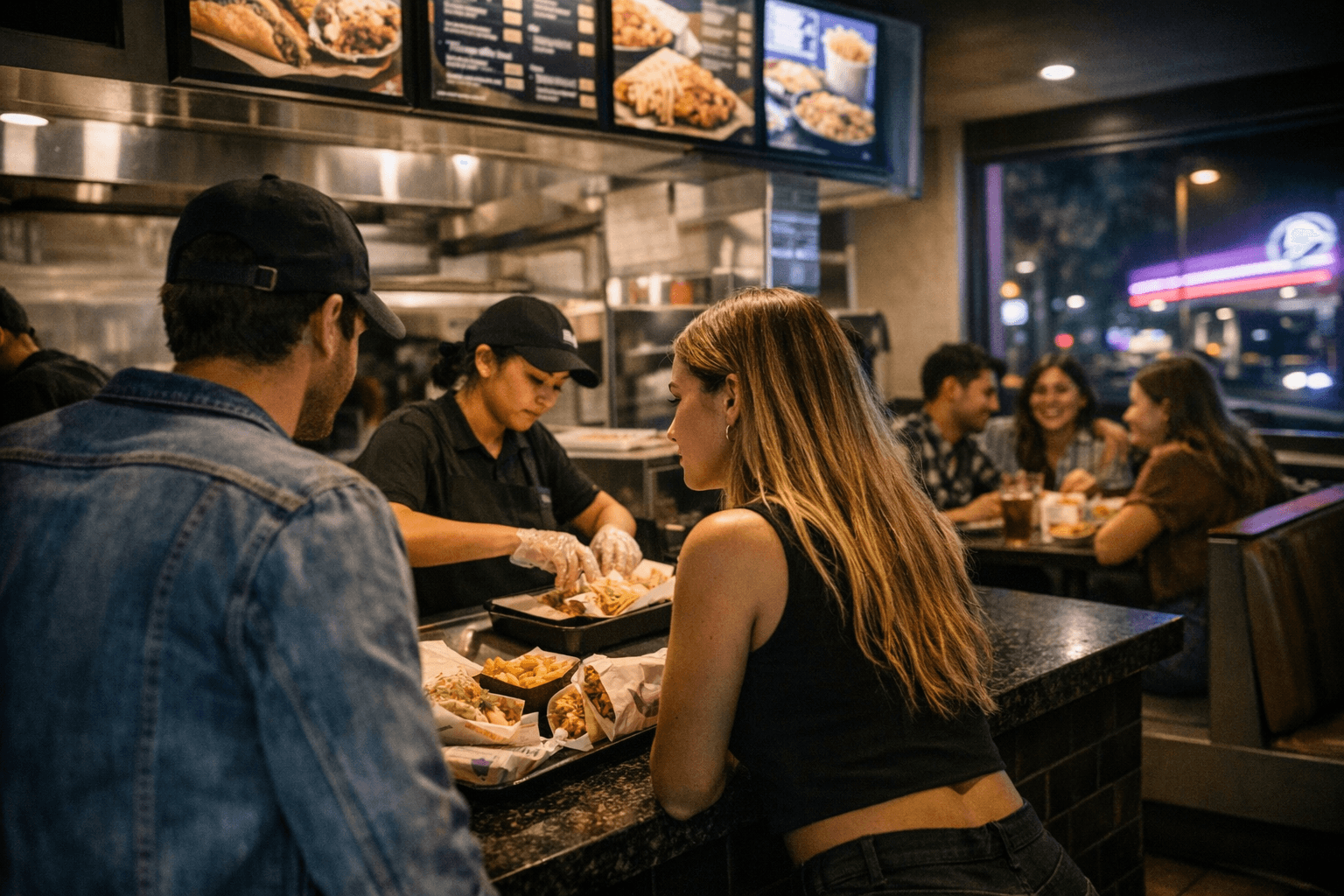
Daypart extensions refer to efforts by restaurant chains to grow sales during periods outside their historically dominant meal windows, whether that means building out a stronger breakfast offering, capturing the mid-morning snack occasion, or doubling down on late-night. For Taco Bell, which already has a foothold in late-night but has had a more complicated history with breakfast, the emphasis Matthews is describing suggests the brand sees real commercial potential in filling the gaps.
What's driving the urgency is generational. Younger consumers don't organize their eating around the same rigid meal structure that shaped fast food's original daypart logic. They snack across the day, eat dinner at unconventional hours, and expect menus to reflect that flexibility. For a brand that has built its following largely on younger demographics, ignoring that shift would carry real risk.
The specifics of what Taco Bell is developing, which menu items, which dayparts, which markets, haven't been detailed publicly yet. Matthews' comments represent a directional commitment rather than a product announcement. But the signal from a global food innovation leader is notable: this isn't a regional test or a single product play. It's a stated priority at the highest level of the brand's culinary operation.
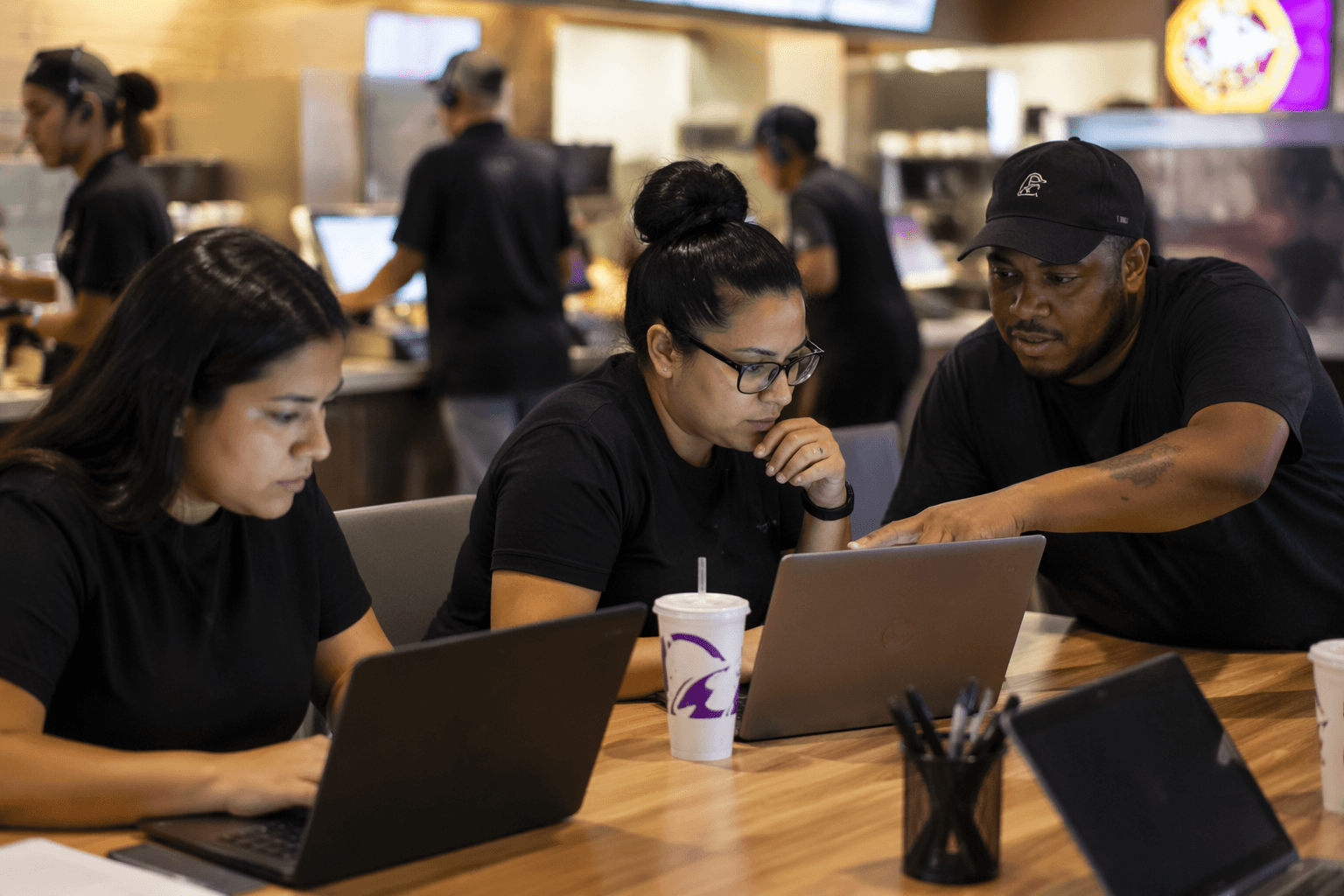
For franchisees and crew, the practical implications will eventually land in kitchens and schedules. Expanding dayparts meaningfully requires more than new menu items; it means staffing decisions, equipment considerations, and operational retraining. How Taco Bell manages that rollout will matter as much as the food itself.
This article was produced by Prism’s automated news system from verified source data, official records, and press releases, then run through automated quality and moderation checks before publishing. The system is built and supervised by the people who set the standards it runs under. Read our full AI policy.
Did this article answer your question?