Taco Bell shares value strategy across Yum brands as competition intensifies
Yum is borrowing Taco Bell’s $5, $7 and $9 boxes to reset value across brands, a shift that can push more volume and tighter speed targets onto store crews.
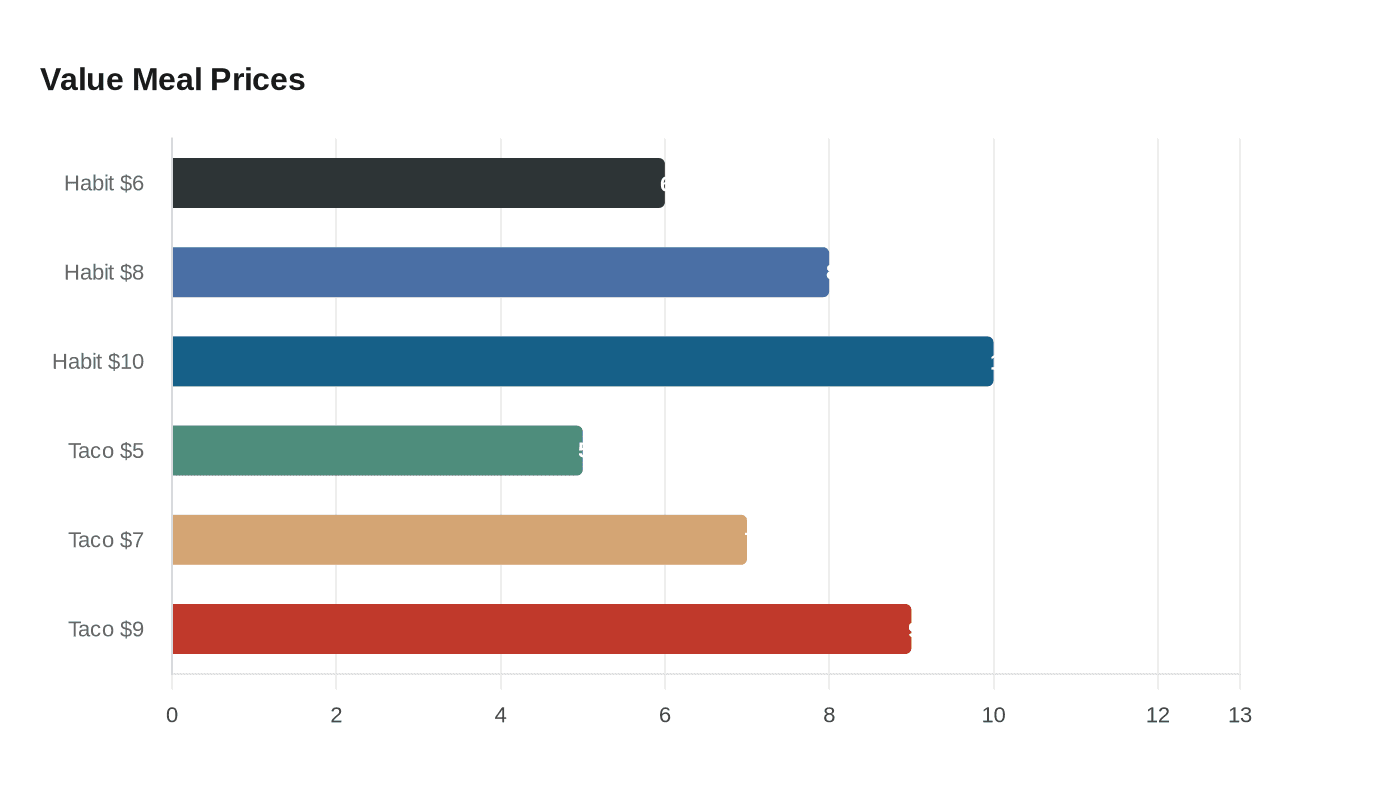
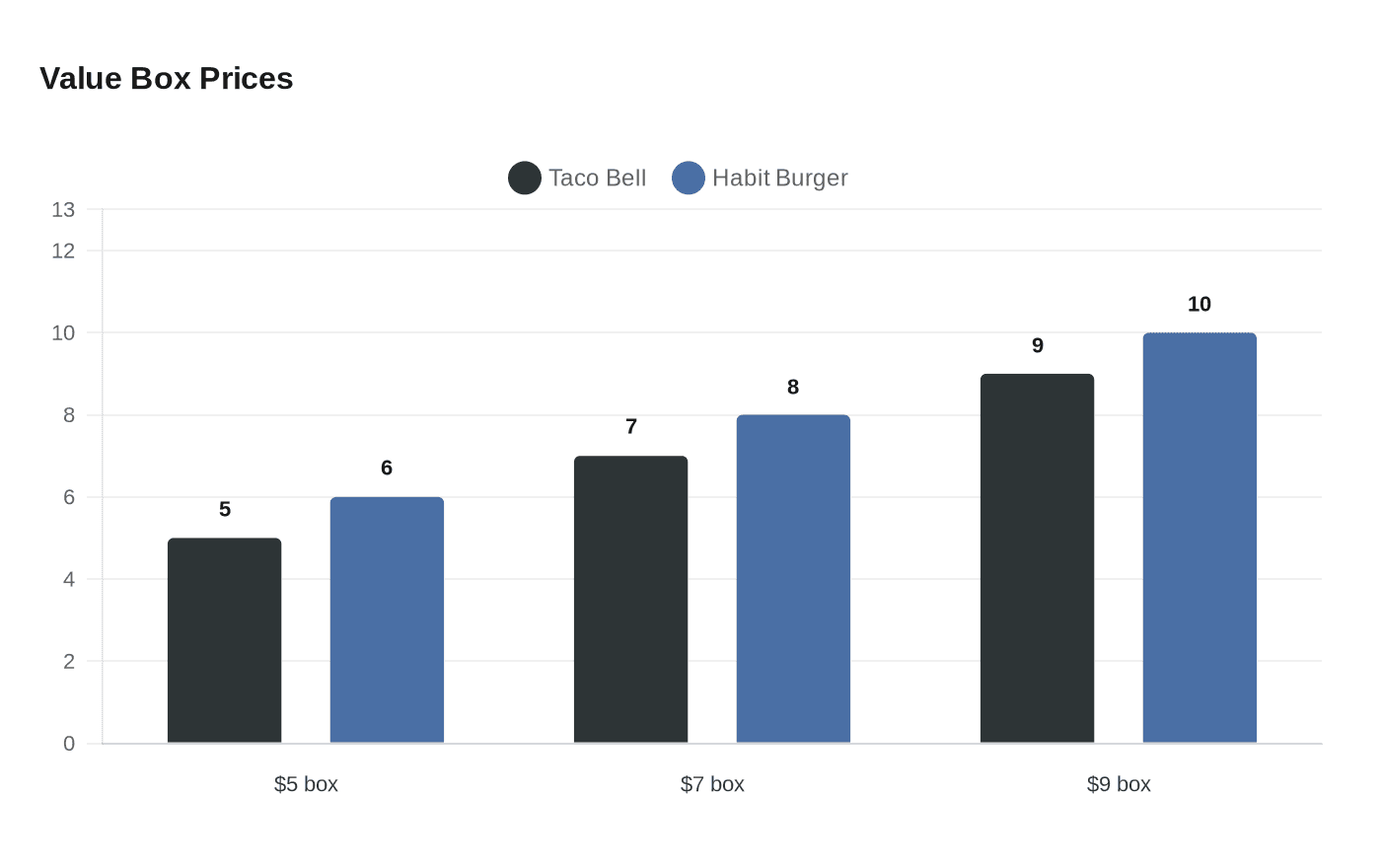
Yum Brands is turning Taco Bell’s value playbook into a companywide asset, and that matters inside stores as much as it does in the boardroom. Executives from Taco Bell, KFC and Habit Burger & Grill have been trading pricing ideas more deliberately as consumers keep pulling back on spending, with Habit Burger & Grill ultimately landing on a $6, $8 and $10 value structure after asking Taco Bell for help. Taco Bell’s own Luxe Cravings Boxes, priced at $5, $7 and $9, have become the template for how Yum wants to frame affordable meals across its brands.
That puts Taco Bell in a powerful position inside a company that says it now runs more than 63,000 restaurants in 155+ countries and territories, and opens a new restaurant nearly every two hours. Yum has also said Taco Bell accounted for 36% of divisional operating profit in a recent earnings period, a reminder that the brand is not just a traffic driver but one of the parent company’s most important profit engines. When Taco Bell pushes a pricing or bundle strategy, Yum has a lot of reason to pay attention.
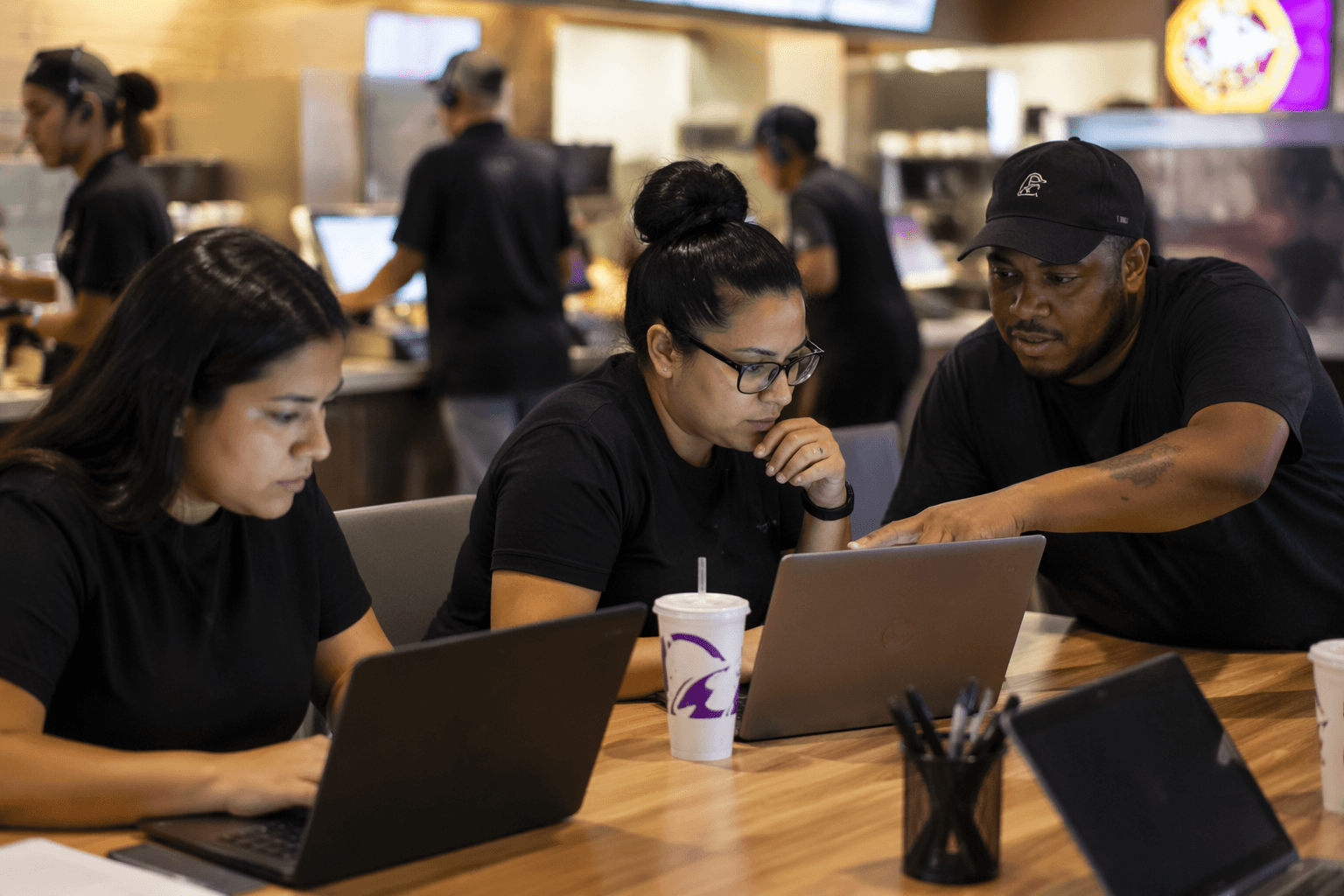
For crew members and managers, the operational fallout is the real story. Value bundles can pull in more guests, but they also change the mix of orders, compress ticket times and add pressure to the drive-thru, the line and the digital make table. A $5 box may look simple on a menu board; in the store, it can mean more items moving at once, more substitutions to manage and more need for clean execution when the rush hits. The more Yum leans on Taco Bell’s model, the more that model shapes expectations for speed, consistency and labor discipline.
Taco Bell has already been selling that philosophy to investors. On March 4, 2025, the chain rolled out R.I.N.G. The Bell, its strategy built around being “relentlessly innovative,” after saying it had reached $1 billion in operating profit in 2024. The company also set a target of $3 million in U.S. average unit volumes by 2030, linking innovation in menus, service, operations and tech to higher sales per store. That kind of ambition rarely stays confined to marketing. It usually shows up as new launches, tighter execution standards and more pressure on managers to keep pace.
The latest sales numbers show why Yum is doubling down. Taco Bell U.S. reported 9% same-store sales growth in the first quarter of 2025, then 7% same-store sales growth in the fourth quarter. It also entered five new international markets in the fourth quarter reporting period, while Taco Bell U.S. restaurant-level margins were 25.7% in that quarter. For workers, the message is clear: Taco Bell is no longer just one brand in the Yum portfolio. It is the company’s value lab, and what gets tested there can quickly become the next expectation across the system.
This article was produced by Prism’s automated news system from verified source data, official records, and press releases, then run through automated quality and moderation checks before publishing. The system is built and supervised by the people who set the standards it runs under. Read our full AI policy.
Did this article answer your question?