Taco Bell teams can learn from cultural differences in service style
Taco Bell’s biggest service gaps often start with how crews talk, listen, and hand off work. On multilingual shifts, small communication fixes can prevent mistakes, conflict, and slow guest recovery.
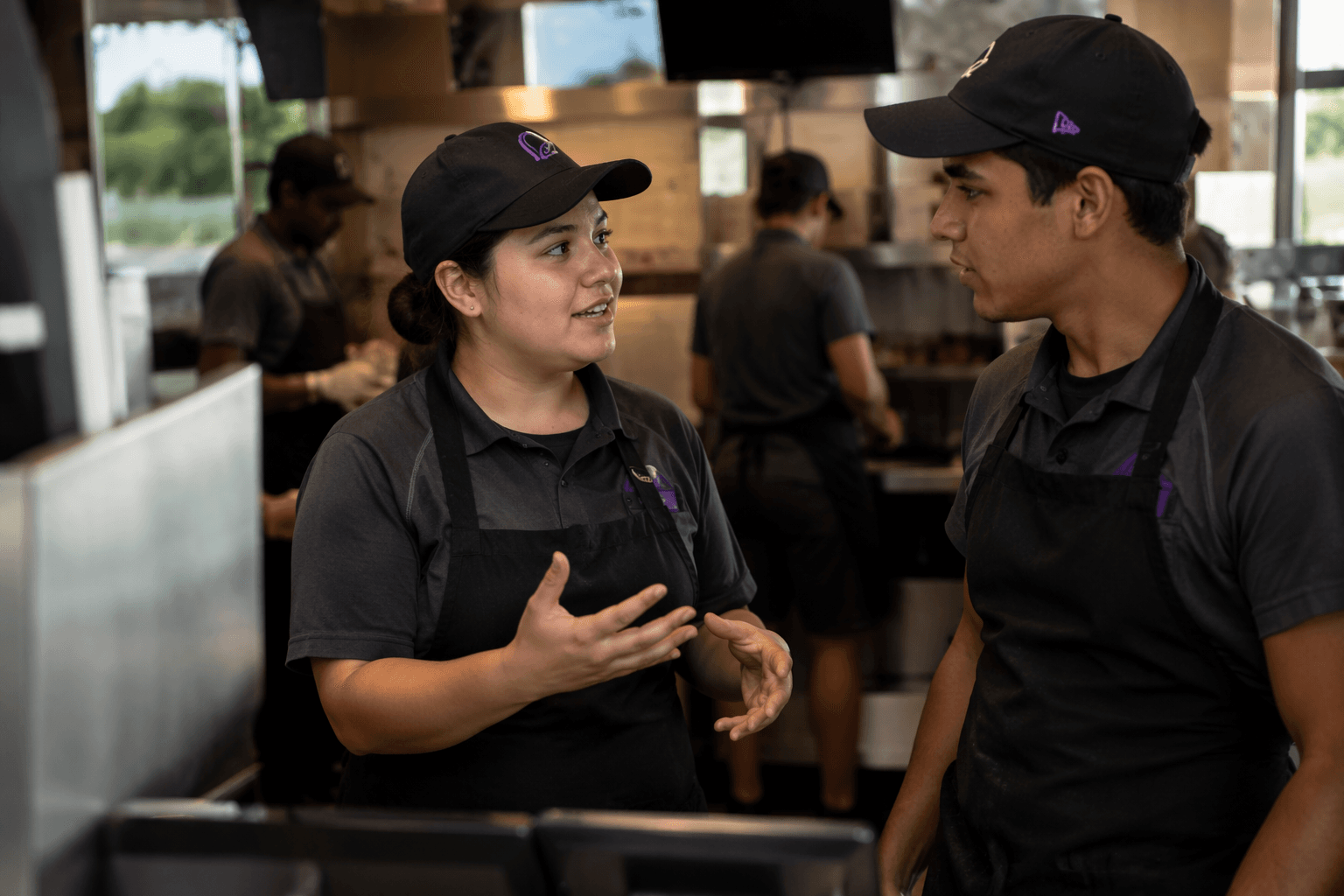
On a Taco Bell rush, a quiet crew member can look disengaged when they are actually listening carefully, processing in a second language, or waiting for a clearer instruction. Service problems are not always about the food line. They often start when crew members, shift leads, and managers come into the same rush with different ideas about pacing, directness, eye contact, and how much talk belongs in a customer interaction.
Taco Bell has 250,000+ U.S. team members, and Yum! Brands operates more than 63,000 locations in 155 countries and territories. In a company that broad, a quiet crew member, a fast-moving trainer, and a new hire from a different service culture can all be doing their best and still miss one another without a shared way to communicate.
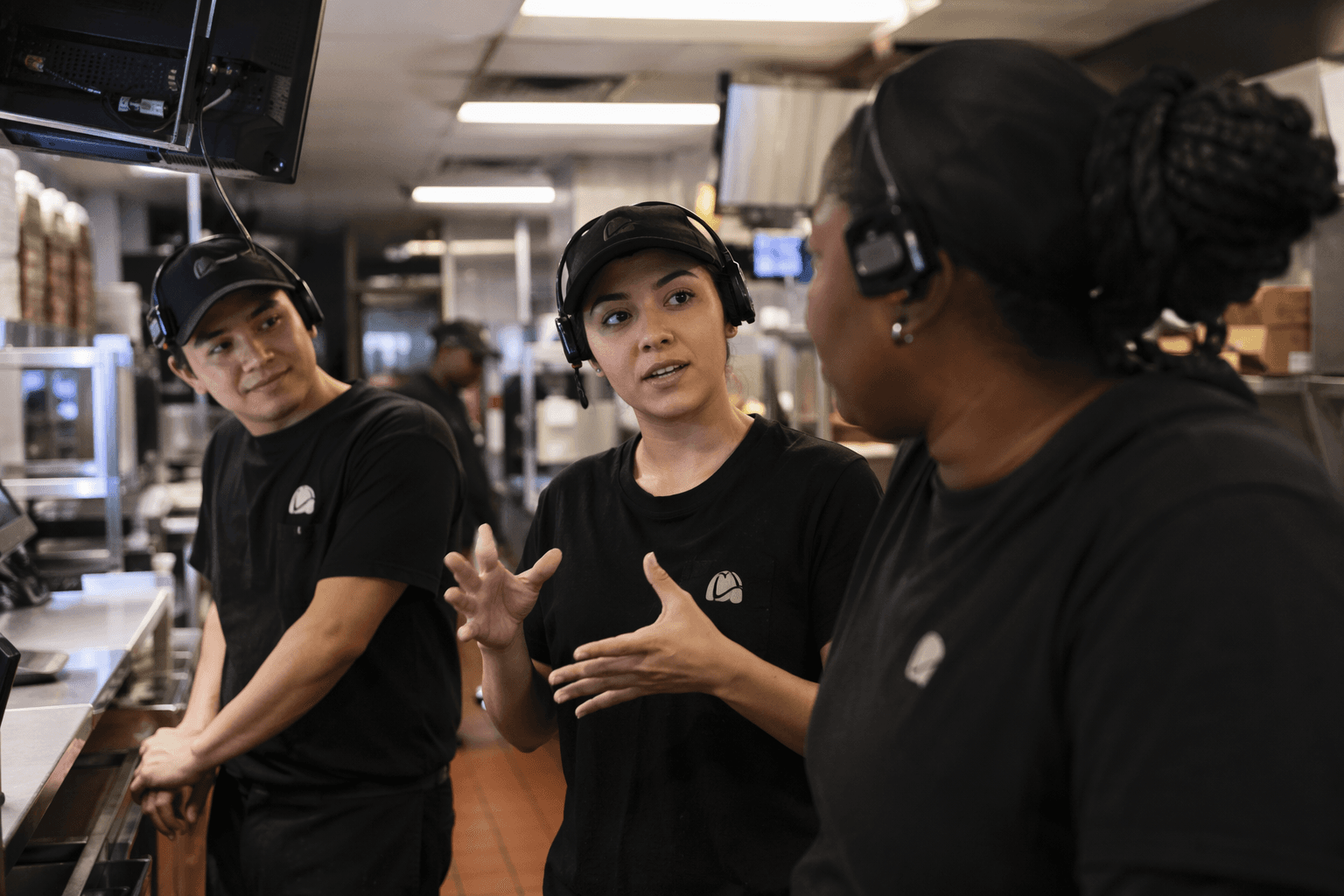
Culture shows up at the line, not just in the break room
Service style is not one universal script. In one crew, direct instructions and quick acknowledgments may feel efficient; in another, a more formal tone, more small talk, or less eye contact may be the norm.
Shift leaders who read every quiet moment as disengagement create unnecessary friction. A better read is to treat communication style as part of the job mix, the same way station speed, prep accuracy, and order flow are part of the job mix. When managers notice the difference between shyness, language load, and actual confusion, they can correct the task without turning the person into the problem.
Where misunderstandings hit the shift hardest
The biggest consequences usually show up in handoffs, training, guest recovery, and conflict. A sloppy handoff between the opening and closing crews can turn into missing prep, unclear station coverage, or a manager learning too late that a guest issue was never closed out. When the team feels unheard, the guest feels it in slower fixes, repeated questions, or a rushed apology that does not solve the problem.
Training gets shaky when a lead assumes everyone learns the same way. Some crew members need to see the task once, some need to say it back, and some need a written checklist before they can move at full speed. That is especially true during a busy lunch or late-night rush, when the wrong wording can send the wrong person to drive-thru, expo, or front counter and throw the whole line off.
Guest recovery is another place where service style matters. If one worker is trained to talk fast and another is trained to keep things brief and polite, the team can sound inconsistent unless the manager sets a standard for who speaks, who remakes, and who clears the next ticket. A calm, specific recovery script usually works better than a vague “take care of it,” because everyone on the shift knows what to do next.
What Taco Bell’s own scale says about the issue
In October 2025, Taco Bell said that within its company-owned portfolio, team member retention improved 17% year over year and restaurant general manager vacancy fell 27%.
Founded by Glen Bell in Downey, California, in 1962, the brand reached 100 restaurants in 1967 and 325 by 1970. What began as a Southern California operation now sits inside Yum!’s global system, so the gap between one store’s crew culture and another’s can be wide unless managers actively narrow it.
Taco Bell’s careers pages emphasize space for everyone, growth, supportive teams, and career development. Its public materials also highlight employee resource groups such as Live Más LUCHA!, the Latinx group launched in 2016, and Live Más Pride, which supports LGBTQ+ employees. Yum! Brands also treats equity, inclusion, and belonging as part of its culture.
What managers and shift leads can do differently
The most useful changes are practical and immediate, especially on multilingual or multicultural crews. Managers do not need a new slogan. They need habits that make the shift clearer, reduce tension, and keep service consistent when the line is backed up.
- Start pre-shift with role-by-role clarity. Say who is on drive-thru, expo, front counter, prep, and guest recovery, then have each person repeat back the assignment.
- Give instructions in observable terms. “Keep the tortillas stocked to this shelf mark before peak” is better than “stay ready.”
- Use one correction at a time. During a rush, layered criticism can sound like blame instead of coaching.
- Pair new hires with a steady buddy during the first few rushes. Demonstration often works better than verbal explanation alone.
- Treat silence carefully. A quiet crew member may be listening, translating, or thinking through the task. Ask a direct follow-up before assuming they are checked out.
- Close the handoff loop. At the end of a shift, name what is done, what is low, what needs remaking, and which guest issues are still open.
This article was produced by Prism’s automated news system from verified source data, official records, and press releases, then run through automated quality and moderation checks before publishing. The system is built and supervised by the people who set the standards it runs under. Read our full AI policy.
Did this article answer your question?