Taco Bell tech watch points to AI scheduling and guest messaging tools
AI scheduling and guest-response tools stood out at the Chicago show, but Taco Bell crews will feel only the tech that cuts scramble, not the dashboards.
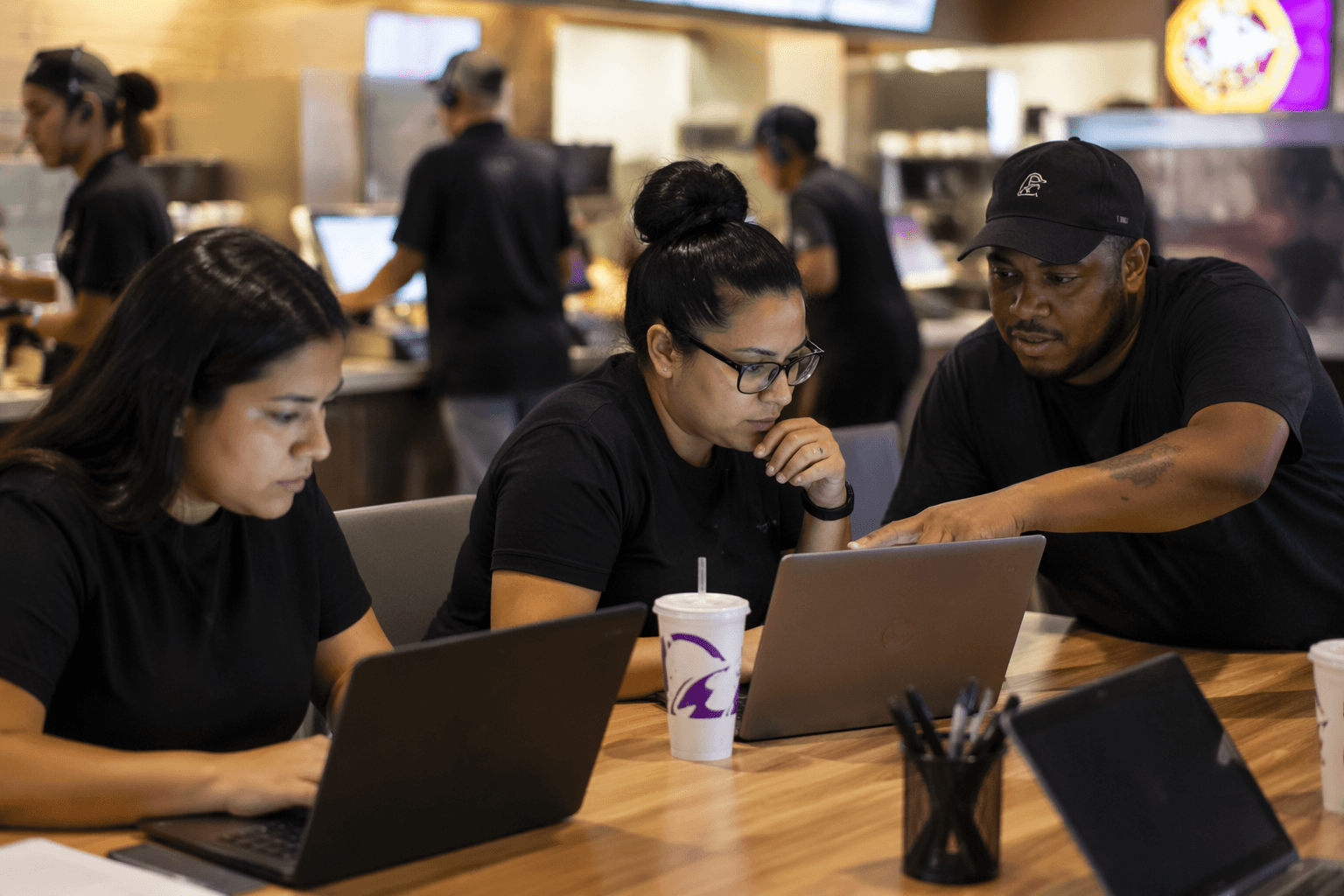
The practical question at this year’s restaurant-tech showcase was simple: which tools could change a Taco Bell worker’s next 90 days, and which ones were just floor demos? In Chicago, the answer pointed toward two categories with real odds of landing in the shift manager’s day-to-day: AI scheduling that trims labor waste, and guest-messaging tools that help teams respond before one bad interaction snowballs.
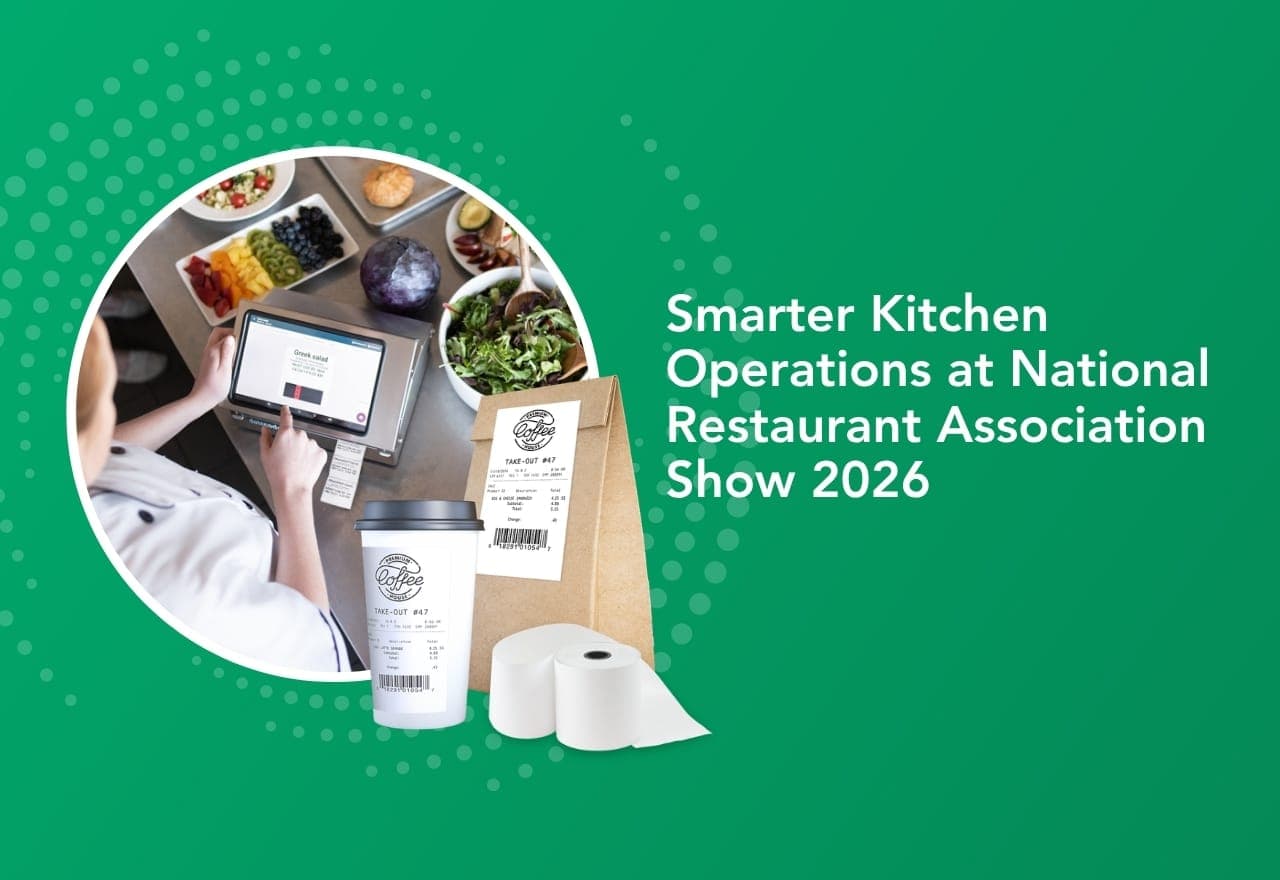
The National Restaurant Association Show ran May 16-19 at McCormick Place and drew more than 53,000 people, giving suppliers a huge audience for labor software pitched to restaurant operators. One of the clearest examples was Sona, which was positioned as an agentic scheduling tool for multi-unit operators. The pitch lands because labor still eats a huge share of restaurant revenue, with Ellie Lister putting that figure at 25% to 40%. For Taco Bell managers juggling a packed Friday night, a slow Tuesday, and call-outs that hit an hour before rush, the real promise is not automation for its own sake. It is better forecasting at the site level, fewer overstaffed shifts, and schedules that feel less like guesswork.

That matters inside Taco Bell because the shift-manager job is still defined around leading shifts, resolving customer concerns, and guiding teams to meet brand standards. Tools that can automatically build a smarter labor plan could remove some of the lowest-value work from that role, especially in stores where franchise owners are trying to keep labor in line while protecting service speed. Sona says it applies agentic AI across scheduling, HR, performance, and multi-site operations, which suggests the company is aiming beyond a single planning app and toward a broader management layer. That kind of system could be useful if it makes decisions faster and more consistent. It becomes just another screen if managers still have to override everything by hand.
Guest feedback tools are heading in the same direction. Momos Guest AI was shown as a way to pull reviews, surveys, delivery feedback, social comments, messages, and cases into one inbox, with AI Review Manager generating brand-approved, personalized responses at scale. For Taco Bell leaders, that kind of setup could help spot a service problem before it turns into a local reputation issue. It also saves managers from bouncing between platforms when a complaint comes in from delivery, social, or a review site.
Taco Bell is not starting from zero. In 2024, Yum! Brands said Voice AI was already live in more than 100 Taco Bell U.S. drive-thrus across 13 states, with the goal of easing task load, improving order accuracy, reducing wait times, and supporting profitable growth. That makes the next wave of tech easier to judge: if it saves time, improves accuracy, or smooths scheduling without adding extra steps, it may stick. If it mainly adds surveillance, more screens, or another layer of admin, Taco Bell crews will tune it out fast.
This article was produced by Prism’s automated news system from verified source data, official records, and press releases, then run through automated quality and moderation checks before publishing. The system is built and supervised by the people who set the standards it runs under. Read our full AI policy.
Did this article answer your question?