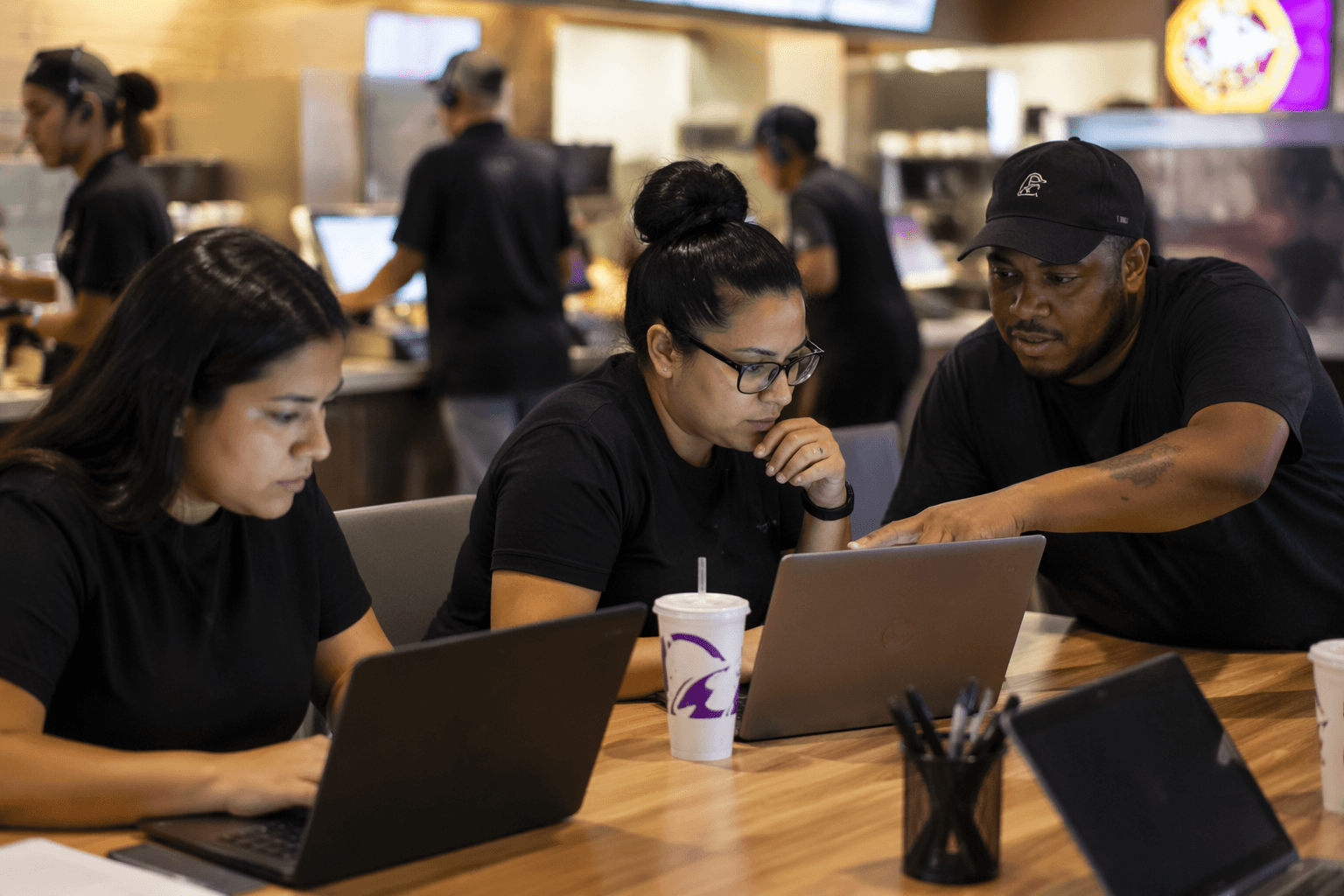
Taco Bell training must be done during scheduled work hours
Taco Bell’s own portals say hourly training belongs on scheduled time, not after hours. That rule affects pay, scheduling, and the compliance risk managers inherit.
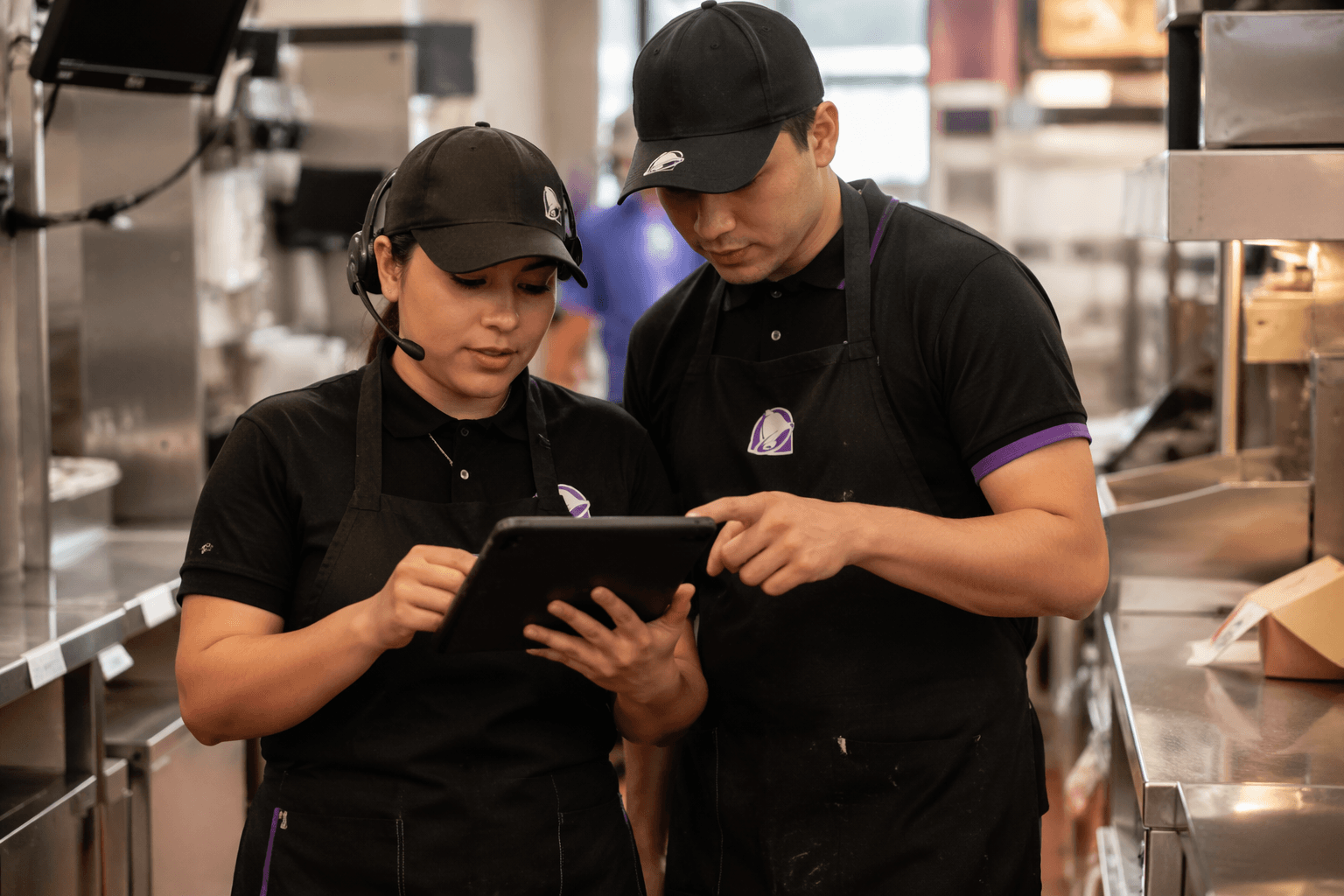
Taco Bell’s MyTacoBell and Learn!Now systems say hourly workers must complete required training only during scheduled work hours. For crew members, shift managers, and restaurant managers, that means onboarding and refresher modules belong in the labor plan, not after close or before a shift starts.
Why the clock matters
Taco Bell’s Learn!Now page says hourly employees must take training only during scheduled work hours, and federal wage-and-hour rules generally require paying for mandatory training time. That means required learning is not meant to be treated like optional homework, even when the task is as routine as a policy acknowledgment or a role-specific module.
For crew members, that distinction is practical money. If a manager expects you to finish learning before the shift, after the shift, or on a day off, that work is still tied to the job and should not be treated as free labor. For shift managers, the rule changes how you build the day: training has to be protected time, not something squeezed in between lunch orders and a drive-thru backup. For restaurant managers, it is part of labor planning, because the store cannot run a clean shift if new hires are still learning food prep, cash handling, or safety basics when the rush hits.
What the portals tell workers about access
The MyTacoBell login page shows that the system is not a public-facing site. Access is limited to authorized current employees or contractors, and also to franchisees, licensees, suppliers, and approved agents for Yum system business purposes only. The page also warns that activity may be monitored and that users should have no expectation of privacy.
The portal is a controlled internal environment, not a casual training app. Workers should keep login credentials secure, use the portal only for workplace business, and treat the content as part of the company’s operating system. The training attached to it is supposed to fit the schedule, not override it.
The portal structure also points to how Taco Bell organizes internal learning. Systems like this usually handle module completion, policy acknowledgments, and role-specific training, which becomes especially important when crews turn over quickly or a location is bringing in a batch of new hires. A restaurant that cannot get people through the learning process on time risks more mistakes on the line, more confusion on procedures, and more time spent fixing errors during service.
Where off-the-clock pressure can show up
Off-the-clock training does not always look dramatic. It can start with a manager asking a new hire to “just finish the module later,” or with a crew member being told to log in at home because the store is too busy. It can also show up when training is scheduled but not protected, so the employee ends up finishing it before punching in or after punching out. Those are the situations workers should watch for, because the line between a required task and unpaid time can disappear fast in a restaurant that runs on short labor windows.
The operational risk is real too. If training is delayed, a new hire may not be ready for food safety steps or cash register work when the shift starts. If it is rushed, the store can end up with compliance problems and more mistakes at the window, on the line, or in the back of house.
The enforcement backdrop franchise managers cannot ignore
In March 2026, New York City announced that Taco Bell and Dunkin’ franchisee Salz Management LLC would pay more than $1.5 million in restitution to roughly 760 workers, along with civil penalties, after a New York City Department of Consumer and Worker Protection investigation found Fair Workweek violations across 24 locations in Manhattan and Queens. The violations included failing to provide schedules 14 days in advance and failing to obtain consent for schedule changes. The case involved scheduling, not training.
Where to go if something is wrong
Taco Bell’s Help Center tells corporate employees to use the Speak Up Helpline, while franchise employees are told to contact their franchise’s corporate office or Human Resources team. The brand’s labor issues can land in different places depending on whether the restaurant is corporate-run or franchised.
This article was produced by Prism’s automated news system from verified source data, official records, and press releases, then run through automated quality and moderation checks before publishing. The system is built and supervised by the people who set the standards it runs under. Read our full AI policy.
Did this article answer your question?