Taco Bell wage debate returns as California raises fast-food pay
California’s $20 fast-food wage rule raises pay, but Berkeley research shows Taco Bell workers still face unstable hours, turnover and public-assistance gaps.
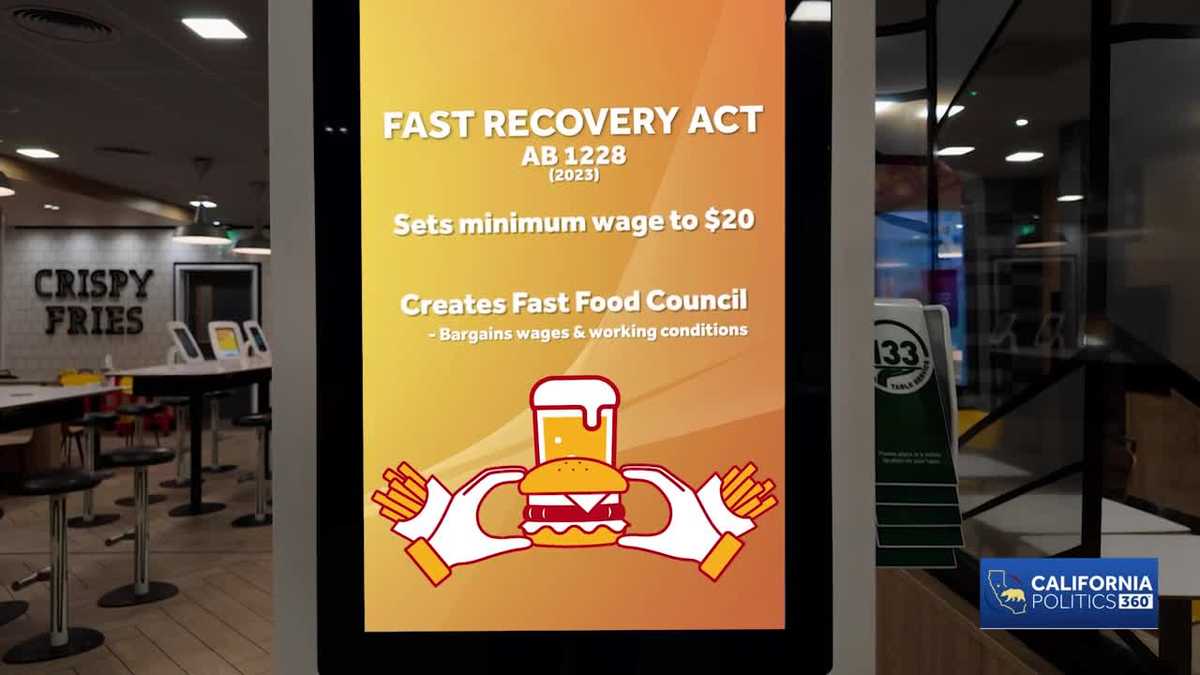
California’s AB 1228 took effect on April 1, 2024, raising the minimum wage for many fast-food workers to $20 an hour, but the work at Taco Bell still has to hold together shift by shift. Low wages do not just shrink paychecks; they shape who can stay, who leaves, and how stores keep staffing the line.
Why the Berkeley report still matters inside Taco Bell
Fast-food pay is an everyday economic problem, not an abstract labor slogan. Low wages push workers toward safety-net programs, unstable housing, and financial stress, which means the cost of a cheap burger or taco is partly shifted onto public assistance and family budgets.
That matters at Taco Bell because many crew members are not teenagers working a first job. They are adults covering rent, transportation, childcare, and sometimes a second job, so the wage question becomes a simple calculation: does the schedule and the base pay add up to enough to keep showing up? When the answer is no, retention gets harder, and the store loses the people who already know the register, the line, and the pace of a dinner rush.
The same wage debate keeps returning because low pay can make work feel temporary even when the job requires repetition, reliability, and product knowledge, and that churn shows up inside stores as constant retraining, uneven shift coverage, and managers trying to keep service moving with a crew that changes too often.
What California changed with AB 1228
AB 1228 also created an 11-member Fast Food Council made up of employers, workers, and government representatives, giving the industry a continuing venue to set standards for wages, working conditions, and training.
The law applies to covered fast-food restaurant employees, and it affects payroll, scheduling, and the way franchise operators think about labor costs across covered restaurants.
California’s governor’s office pegged the state’s fast-food workforce at 500,000 and their average hourly wage in 2022 at $16.21 before the law took effect. For workers earning near the old average, the difference can affect whether the month ends with a balance or a shortfall.
What higher pay changes on the floor
A March 2025 paper from the University of Tennessee Haslam College of Business used anonymized payroll data and found that California’s fast-food minimum wage produced significantly higher wages and lower turnover for incumbent employees, even as firms hired fewer workers. That is the trade-off managers feel on the floor: higher pay can make the people already in the building more likely to stay, but it can also make owners more cautious about expanding headcount.
At store level, that matters because turnover is not just a human-resources metric. When a Taco Bell loses experienced workers, the restaurant spends more time training new hires, service speed can slip, and food quality becomes harder to keep consistent during rushes. Low wages can also reduce labor supply and increase absenteeism, which leaves shift managers covering gaps with fewer reliable options.
That is why pay functions as an operational tool, not only a cost line. If a restaurant cannot keep people long enough to build skill, the job becomes a revolving door, and the burden falls on the shift manager who has to keep the line moving, the lobby clean, and the drive-thru times under control.
Why franchise owners and corporate stores see the rule differently
The reaction to California’s wage hike split along a familiar line. In April 2024, fast-food workers hailed the increase, while franchise owners worried about what it would mean for their businesses. For crews, the law promised a bigger paycheck; for operators, it raised the question of whether staffing levels, menu prices, or hiring pace would have to change to absorb the cost.
Labor pressure at Taco Bell is not new. In January 2020, the chain said it would offer $100,000 annual salaries for general managers at some company-owned stores. By April 2021, Taco Bell was boosting benefits as labor shortages made the rebound harder.
That split matters because Taco Bell is a franchise-heavy system, and corporate-owned stores do not face labor costs in exactly the same way as franchise locations. Franchise owners often argue that higher mandated pay can squeeze margins and slow hiring, while corporate operators have more direct control over compensation strategy. For workers, those differences show up in how quickly a store adjusts schedules, how often managers can offer more hours, and whether the job feels stable enough to stay in.
The wage debate is also a benefits debate
A February 2025 Berkeley Labor Center policy brief estimated that the $20 fast-food minimum wage could affect Medi-Cal eligibility. Wage policy can move workers on and off public programs, not just change what appears on a pay stub.
For a Taco Bell crew member, that can mean the difference between qualifying for help and losing it as wages rise. Higher take-home pay can improve retention and reduce the need to patch together hours from multiple jobs, but the practical outcome depends on whether employers cut hours, trim staffing, or keep schedules steady enough for the raise to actually stick.
This article was produced by Prism’s automated news system from verified source data, official records, and press releases, then run through automated quality and moderation checks before publishing. The system is built and supervised by the people who set the standards it runs under. Read our full AI policy.
Did this article answer your question?