Taco Bell Workers Can Check Inspection Records and File Safety Complaints
Federal law gives every Taco Bell worker the right to check their store's OSHA inspection history and file a safety complaint without their employer finding out their name.

A grease burn from a fryer. A walk-in cooler with a broken latch. A chemical cleaning solution stored without safety labels. These are exactly the kinds of hazards that workplace safety law was built to address, and as a Taco Bell crew member, shift lead, or restaurant manager, you have more legal power to act on them than most workers realize. Federal law gives you the right to inspect your store's OSHA history, file a confidential safety complaint, and be protected from retaliation for doing so.
Here is how each of those rights works in practice.
What the Law Covers, and Who Enforces It
Federal law gives you the right to work in a safe place. Your employer must keep the workplace free from known safety and health hazards. That obligation flows from the Occupational Safety and Health Act of 1970, which created OSHA to set and enforce protective workplace safety and health standards, covering construction, agriculture, maritime, and general industry, including fast food restaurants.
Whether federal OSHA or a state agency enforces those rules at your specific Taco Bell depends on where you work. OSHA covers most private sector employers and workers in all 50 states, the District of Columbia, and other U.S. jurisdictions, either directly through OSHA or through an OSHA-approved State Plan. There are currently 22 State Plans covering both private sector and state and local government workers, and seven State Plans covering only state and local government workers. States like California run their own programs: California's plan, known as Cal/OSHA, is famous for being much stricter than federal law, pioneering lockout/tagout standards before the federal government and requiring every employer to have a written and effective Injury and Illness Prevention Program.
The practical takeaway: if your store is in California, Arizona, Washington, Oregon, or another state plan state, file complaints with the relevant state agency, not just federal OSHA. The rights and protections are at minimum identical, and often stronger.
The Hazards Most Likely to Show Up at a Taco Bell
Fast food kitchens are not classified as high-hazard worksites the way construction sites or chemical plants are, but the risks are real and specific. Heat stress is a serious concern in commercial kitchens, especially during peak hours when cooking equipment can quickly raise the temperature. OSHA requires employers to implement measures to prevent heat-related illnesses such as heat exhaustion and heat stroke, including access to cool drinking water and training on recognizing the symptoms. Workers at a Taco Bell and KFC location in San José, for example, alleged they were forced to work in unsafe conditions including 90-degree kitchen temperatures and a potential gas leak, and employees Marcelo Tagle and Daisy Arrano filed a complaint with Cal/OSHA citing that the kitchen temperature reached 90 degrees.
Beyond heat, common violations in fast food inspections frequently involved failing to provide workers with information and training on hazardous chemicals used for cleaning, and inadequately labeled or situated electrical outlets, breakers, and feeders. Restaurant kitchens and dining areas are also prone to slippery surfaces, cluttered walkways, and uneven flooring, making slips, trips, and falls a common OSHA violation.
How to Check Your Store's OSHA Inspection History
OSHA citations are public records available through the Department of Labor's online database, offering transparency into a company's safety history. The Freedom of Information Act ensures that workplace safety information remains accessible to anyone.
The fastest way to check your store's record is through OSHA's Establishment Search tool. The Establishment Search page lets you search the OSHA Integrated Management Information System (IMIS) enforcement database by establishment name, and the database contains information on over 3 million inspections conducted since 1972. The database is updated daily from over 120 OSHA Area and State offices.
Here is how to run the search:
1. Go to osha.gov and navigate to the Establishment Search tool.
2. Enter the company name, location, or industry. Because Taco Bell locations are predominantly franchise-owned, try searching by the franchisee's name or the store address rather than "Taco Bell" alone. Establishment names within the database are not unique, and there may be more than one variation in the way a single establishment is spelled.
3. Input the company's name, location, and inspection date to view all past violations within a specified date range.
4. Click the check box next to a search result and click the "Get Detail" button to display the inspection details for each inspection.
Available information includes penalty amounts, violation classifications, and case statuses. Note that data for a given inspection will display only if the inspection is indicated as closed. For open cases in which a citation has been issued, the citation information may not be available for 5 days following receipt by the employer for federal inspections, or 30 days for state inspections.
If you want more detail than the online tool provides, you can submit a Freedom of Information Act request to the National OSHA FOIA Officer, though basic violation data is easily accessible through the Establishment Search tool. Also note that citations remain on record for five years after a case closes, ensuring a transparent compliance history.
How to File a Safety or Health Complaint
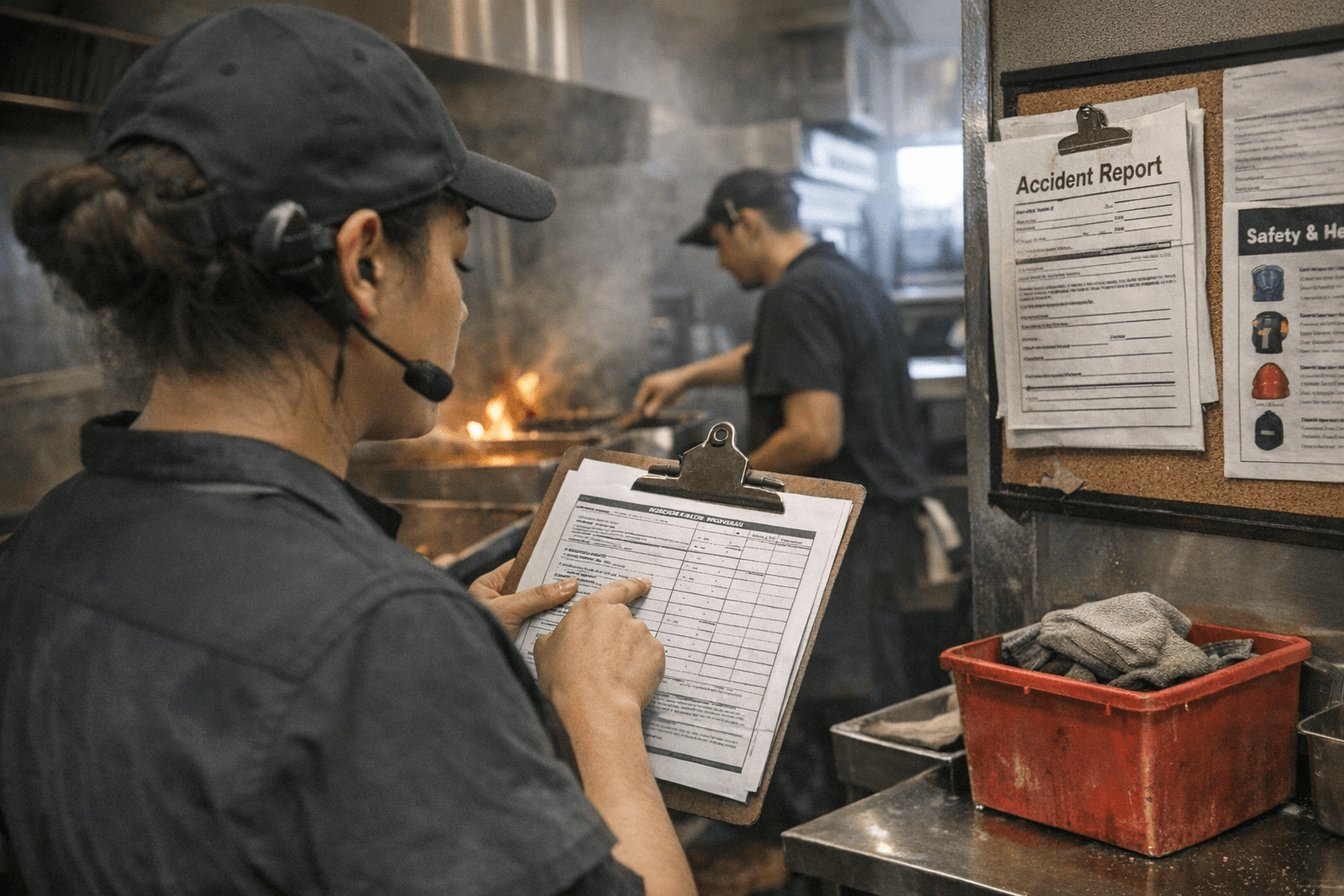
You, or your representative, have the right to file a confidential safety and health complaint and request an OSHA inspection of your workplace if you believe there is a serious hazard or if you think your employer is not following OSHA standards. The complaint should be filed as soon as possible after noticing the hazard. A signed complaint is more likely to result in an onsite inspection.
Workers or their representatives may file a complaint online or by phone, mail, email, or fax with the local OSHA office and request an inspection of a workplace if they believe there is a violation of a safety or health standard, or if there is any danger that threatens physical harm. OSHA's toll-free number is 1-800-321-OSHA (6742).
If you are unable to file the complaint in English, OSHA will accept the complaint in any language.
Once a complaint is filed, OSHA's phone/fax method enables the agency to respond more quickly to hazards: OSHA telephones the employer, describes the alleged hazards, and then follows up with a fax or letter. The employer must respond within five days, identifying in writing any problems found and noting corrective actions taken or planned. The employee who filed the original complaint will receive a copy of the employer's response, and if still not satisfied, the complainant may then request an onsite inspection.
OSHA's top priority for inspection is an imminent danger situation where workers face an immediate risk of death or serious physical harm.
Your Identity Is Protected
One of the most important facts for anyone in a franchise restaurant environment: filing a complaint does not automatically expose your name to your manager or the franchisee. If you submit a complaint or request information about an OSHA incident, by law it must remain confidential. If you provide OSHA with your name, you can request that your identity not be disclosed to your employer, and they are required to protect your identity.
More critically, retaliation is illegal. It is illegal for an employer to fire, demote, transfer, or otherwise retaliate against a worker for complaining to OSHA. If retaliation does occur, you have a separate path to hold the employer accountable.
If Your Employer Retaliates
All employees have the right to file a whistleblower complaint with OSHA if they believe they have been retaliated against for raising workplace health and safety concerns or for reporting work-related injuries and illnesses. If you believe your employer retaliated against you for using your rights under OSHA's whistleblower protection laws, you can file a whistleblower complaint within 30 days of the retaliation.
With a whistleblower complaint, you can file online, by phone, or letter; submit your complaint in any language; allow someone to file for you; and report retaliation or threats for raising a safety or health concern.
The franchise structure at Taco Bell, where roughly 93 percent of locations are owned by independent franchise operators rather than corporate, does not reduce these protections. OSHA's standards apply to the employer of record at your specific location, corporate or franchise. If your franchisee cuts your hours, demotes you, or otherwise penalizes you after you raise a safety concern, that franchisee can be held directly liable under federal whistleblower law.
Knowing the inspection record at your store, and knowing how to add to it if conditions warrant, is one of the most concrete ways a crew member or shift lead can exercise power over the environment they work in every single day.
This article was produced by Prism’s automated news system from verified source data, official records, and press releases, then run through automated quality and moderation checks before publishing. The system is built and supervised by the people who set the standards it runs under. Read our full AI policy.
Did this article answer your question?