Taco Bell workers feel the hidden cost of tech failures
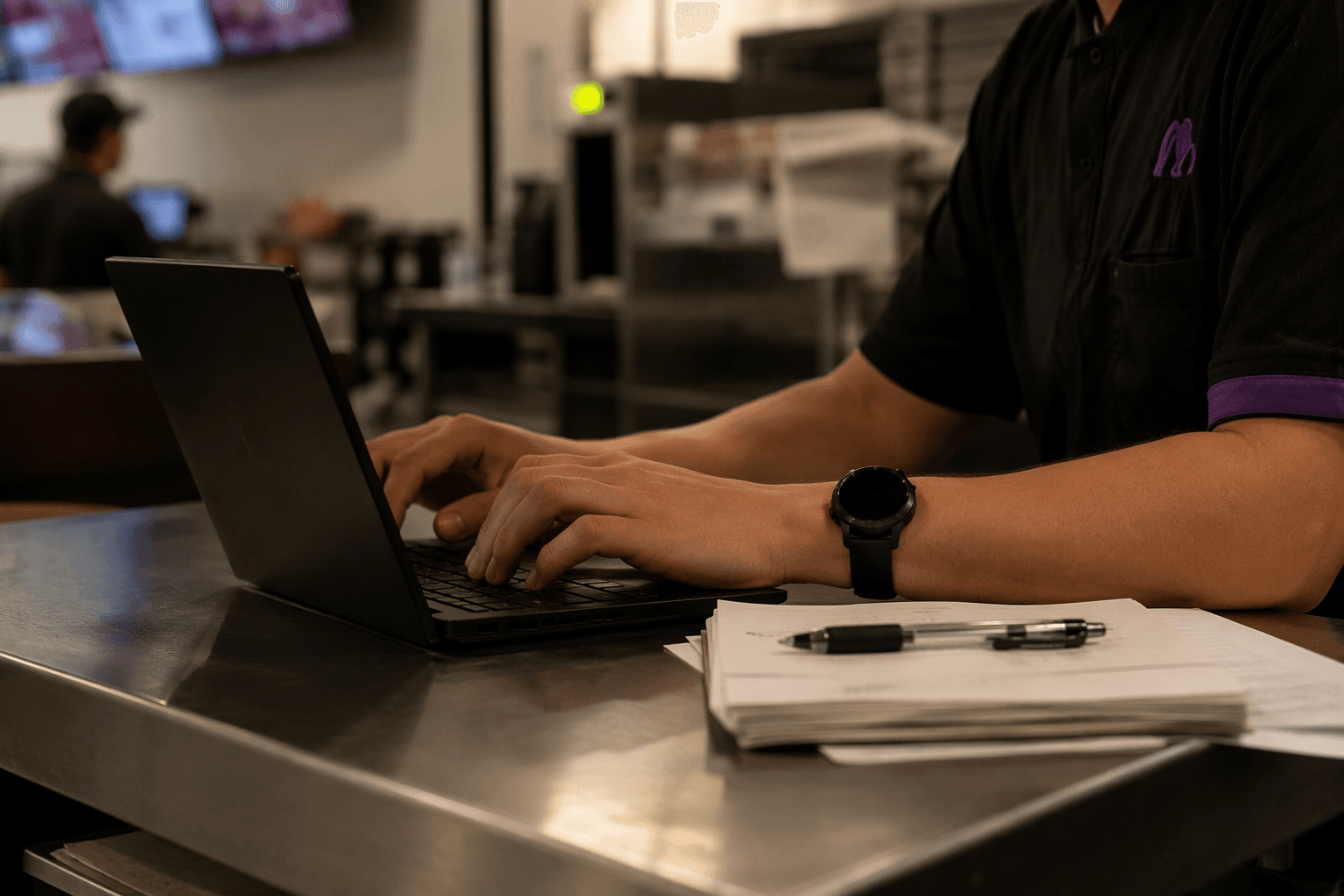
When Taco Bell tech fails, crews absorb the damage: longer lines, customer conflict, manual re-rings and manager overtime, all at a chain betting heavily on digital ordering.
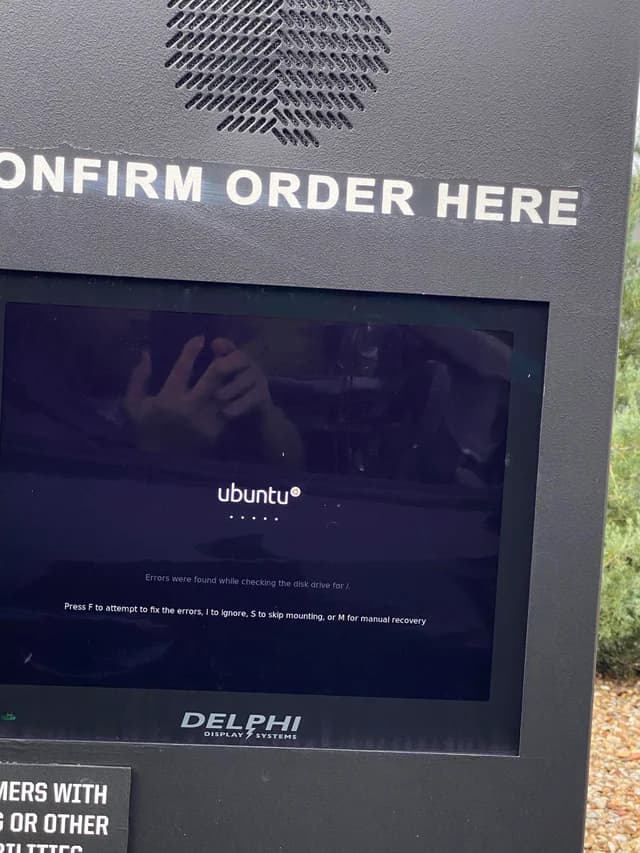
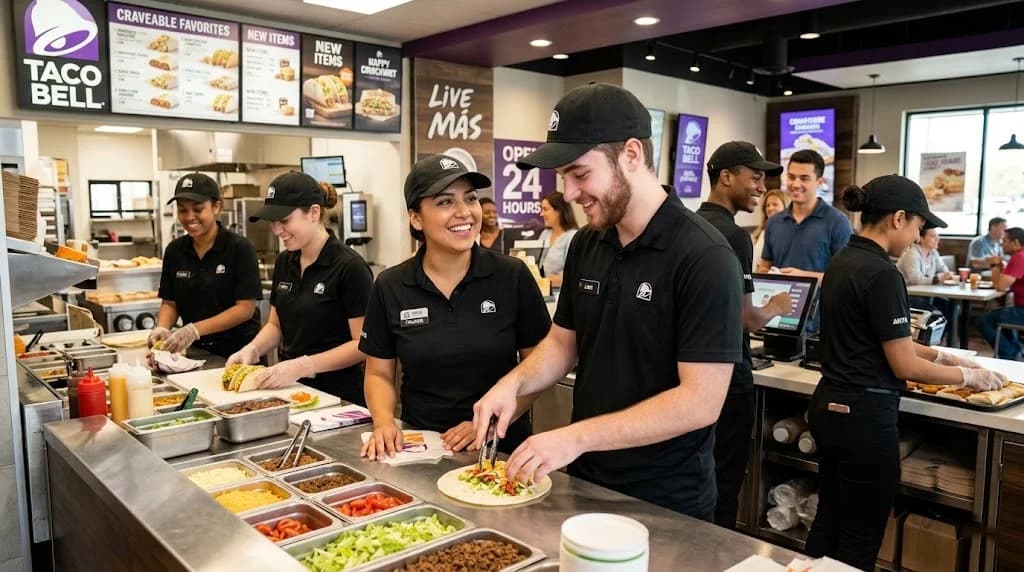
When a POS freezes, a kitchen display stalls, a kiosk locks up, or the drive-thru voice system goes sideways at Taco Bell, the first people to feel it are the crew members trying to keep the line moving and the shift manager trying to keep the room calm. The hidden labor cost shows up fast: more manual work, more guest complaints, more re-rung orders, and more pressure on managers to cover the gaps.
Why a breakdown turns into a labor problem
At Taco Bell, the technology stack sits inside everyday service, not outside it. Taco Bell says it has more than 9,000 restaurants in 35+ countries and territories and reported $18,361,000,000 in total system sales in its 2025 year-end earnings report. Its franchise page says prospective franchisees need $2,000,000 in personal liquidity and $5,000,000 in personal net worth.
When digital ordering is part of the operating model, every failure spills onto the crew on duty. The restaurant can fall back on manual processes, but that usually means slower service, more room for mistakes, and more labor just to keep the shift stable.
The breakdowns that hit crews hardest
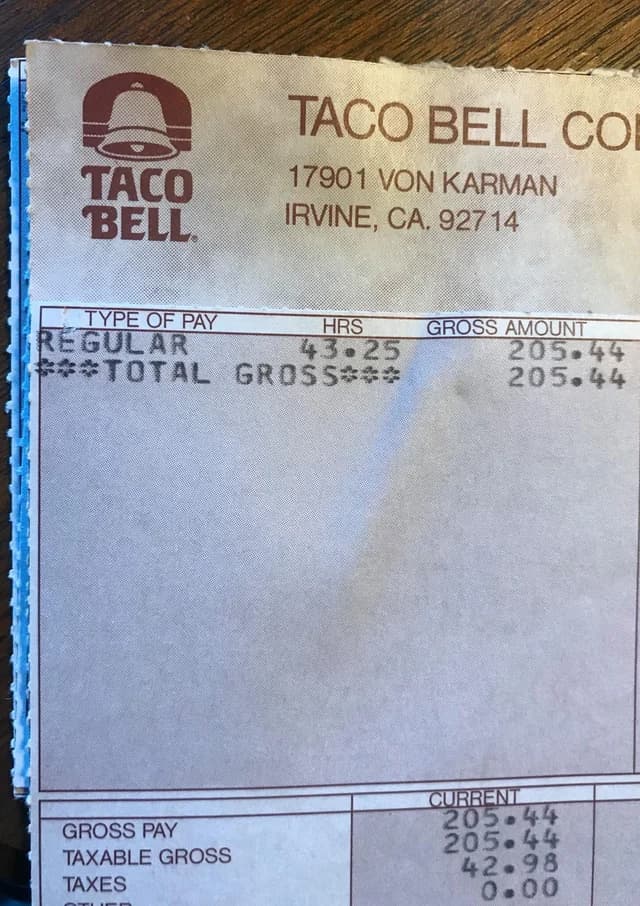
A broken POS system is one of the most disruptive failures because it slows everything at once. Crew members have to re-enter orders, verify payments, and keep track of tickets that should have moved automatically, while guests at the counter and drive-thru start waiting longer. In online employee discussions, workers have also complained that some newer POS systems were not properly counting hours, which turns a tech problem into a payroll problem and adds another layer of stress for managers trying to clean up the mess.
Kitchen screens create a different kind of pain. When a kitchen display freezes or lags, the line loses the rhythm that keeps tacos, burritos, and combos moving in order. The result is more verbal callouts, more manual coordination between expo and make line, and more chances for a missed modifier or a wrong bag to leave the store.
Kiosks add their own friction, especially when the store is trying to switch between drive-thru and in-person orders. Workers have described that handoff as difficult when the system is not flexible, and that matters in a restaurant where the front counter, lobby, and drive-thru can all be moving at once. If the kiosk goes down or jams up, someone has to redirect guests, take orders manually, and keep the pace from collapsing around the same crew that was already busy.
Drive-thru voice systems can be the most public version of the same problem. When the AI mishears a guest, pushes the wrong order, or fails outright, the line backs up and the guest often blames the person in the window or on headset, not the software. The crew is left to absorb frustration created by a tool they do not control.
Why Taco Bell is so exposed to tech failures
Taco Bell has leaned hard into digital convenience, and its AI push shows how central technology has become to the brand’s service model. Yum! Brands planned to roll out AI drive-thru ordering at hundreds of Taco Bell restaurants, and Taco Bell’s newsroom said Yum! Brands would expand voice AI technology to hundreds of Taco Bell U.S. drive-thrus. Taco Bell later expanded voice AI use across nearly 900 drive-thrus.
Taco Bell put AI front-and-center in its drive-thru strategy and wanted those investments to improve drive-thru ordering and scheduling practices. If the same technology that is supposed to speed service also shapes schedules, a failure does not just slow the line, it can distort staffing decisions and leave managers with less room to react when the rush starts.
The voice AI rollout drew public backlash. Taco Bell reassessed its voice AI-powered ordering system after rollout at more than 500 drive-through locations. The company later rethought its use of AI at drive-through restaurants after viral videos of the technology making mistakes were viewed millions of times. One widely shared example involved a customer trying to order 18,000 cups of water.
A viral tech failure means more customers arriving with jokes, skepticism, or impatience, and the people on shift are the ones who have to answer for it.
How store leaders can protect crews when systems go down
The best protection is a clear fallback plan before the outage starts. When the tech stack collapses, the store needs to move quickly from surprise to structure so the crew is not improvising under pressure.
- Set a trigger for manual mode. If the POS, kiosk, or drive-thru system stops behaving, the team should know exactly when to switch to paper tickets, verbal order taking, or another backup process.
- Assign one person to guest communication. If every crew member is answering the same complaint, the line slows even more. A manager or shift lead should own updates at the window, counter, and lobby.
- Separate order capture from food prep. One person should take and recheck orders while the rest of the team stays on the line. That reduces re-rings and keeps kitchen work from stopping every time a guest needs clarification.
- Protect timekeeping and payroll records. If workers are already worried that a new POS is not counting hours correctly, outage logs and manager notes matter. Document the start and end of the problem, who covered which station, and whether overtime was required.
- Plan staffing around peak risk windows. A lunch spike, a Friday night rush, or a thinly staffed shift can turn a small glitch into a full breakdown. Extra coverage during those periods costs money, but it is cheaper than losing control of the floor.
- Keep food-safety checks manual and visible. When screens fail, allergen notes, custom prep requests, and order verification need a backup method the crew can trust.
This article was produced by Prism’s automated news system from verified source data, official records, and press releases, then run through automated quality and moderation checks before publishing. The system is built and supervised by the people who set the standards it runs under. Read our full AI policy.
Did this article answer your question?