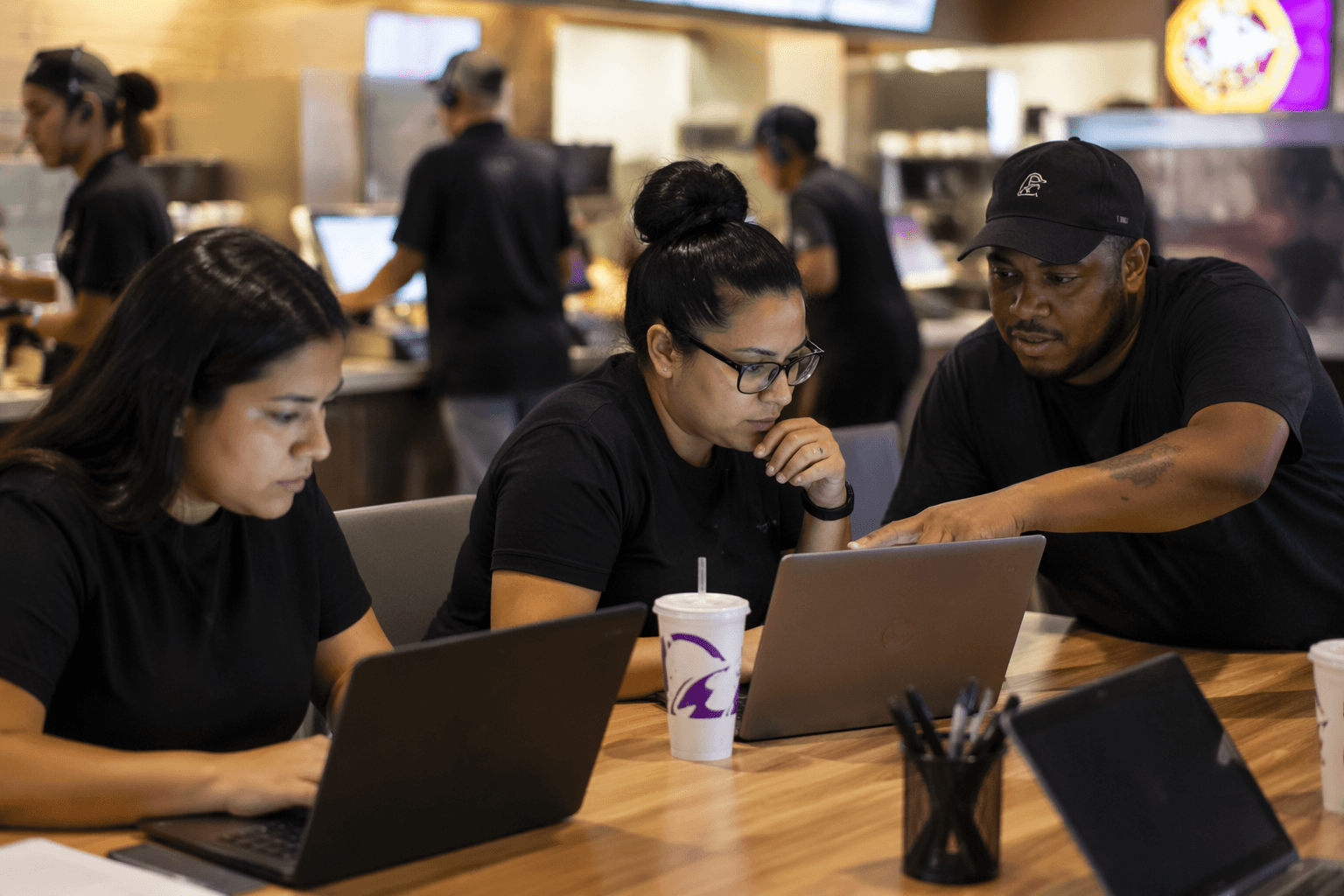
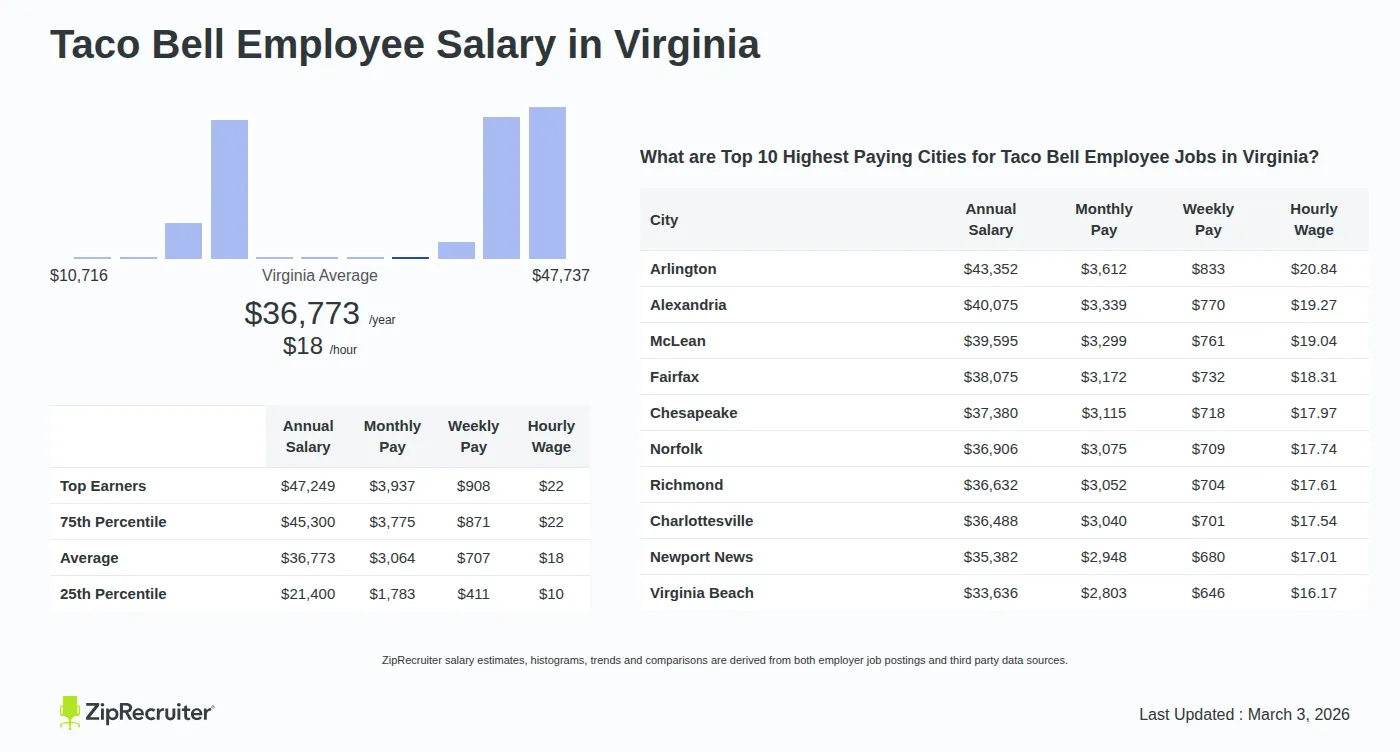
Taco Bell workers gain stronger scheduling protections in major cities
Last-minute Taco Bell schedule changes can now trigger premium pay, penalties, and lawsuits in major cities. Seattle, Chicago, and New York have turned scheduling into a payroll problem.
Why the schedule itself is now a pay issue
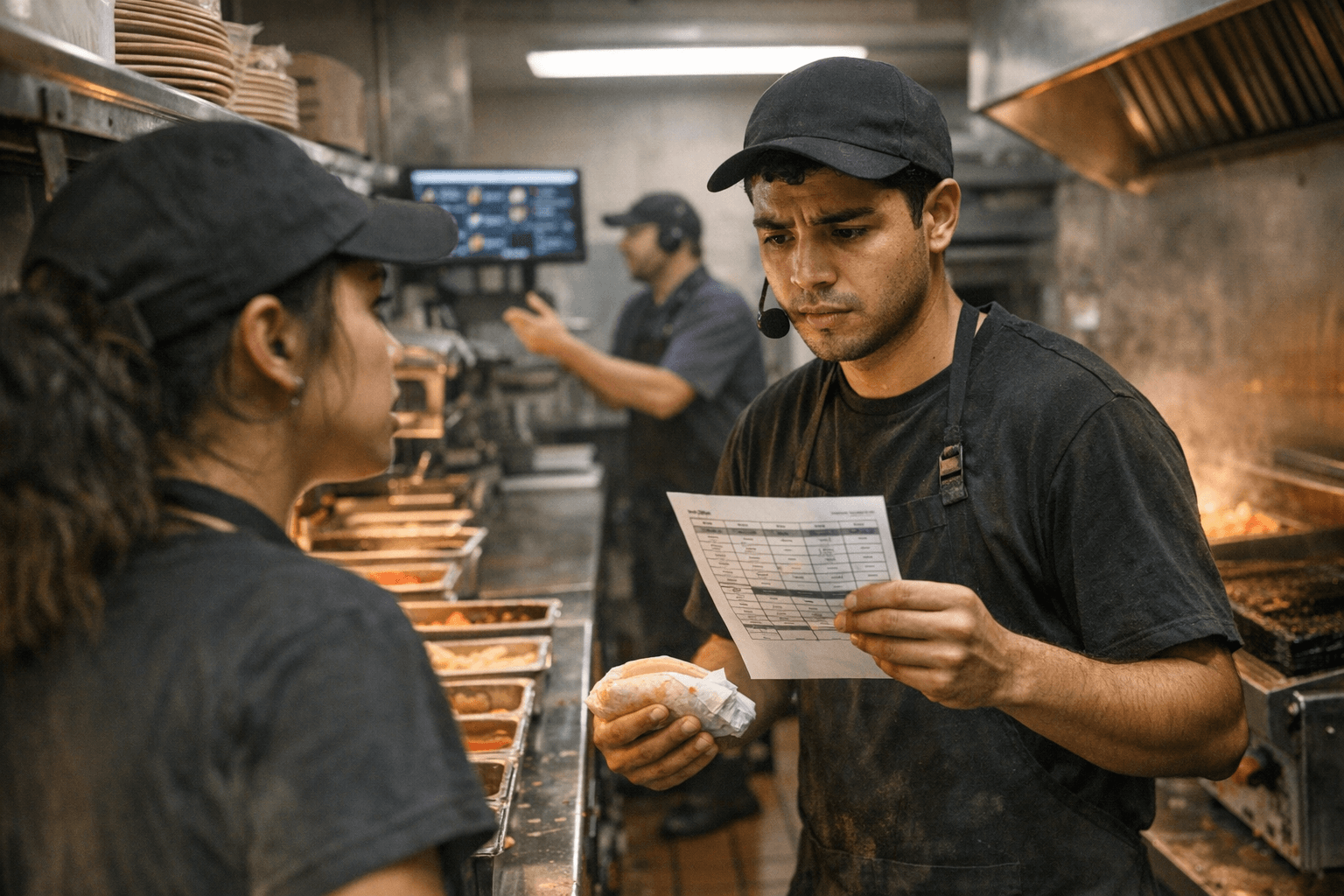
A last-minute shift change at Taco Bell is no longer just a text-message headache. In major cities, it can trigger premium pay, force managers to reshuffle labor budgets, and open the door to wage-and-hour claims if the store gets the paperwork wrong.
That matters most in fast food, where call-offs, holiday rushes, and clopening coverage are constant. For crew, these laws mean more predictable lives and less chance of being asked to close late and come back far too early. For shift leads, general managers, and franchise operators, they create a compliance system that has to be built into scheduling, payroll, and staffing, not bolted on after the fact.
Seattle set the template
Seattle’s Secure Scheduling Ordinance is the clearest example of how a scheduling rule turns into a day-to-day operating issue. The city requires covered food-service employers to post schedules at least 14 days in advance, offer more hours to current employees before hiring outside the store, and pay extra compensation for certain schedule changes and clopening shifts separated by less than 10 hours.
The rule took effect on July 1, 2017, after the Seattle City Council adopted it unanimously on September 19, 2016 and Mayor Ed Murray signed it on September 29, 2016. It applies to hourly workers at retail and food-service employers with more than 500 employees worldwide, and full-service restaurants need at least 40 locations worldwide to be covered.
Seattle is also the strongest evidence that this is not just a paper rule. A U.S. Department of Labor evaluation found that the share of covered workers receiving at least two weeks’ notice rose by 9.3 percentage points, while the share receiving predictability pay for schedule changes rose by about 7 percentage points. A peer-reviewed study found the law improved worker well-being, sleep quality, and economic security, which helps explain why schedule stability is so important in restaurants where a late close can wreck the next morning.
Chicago widened the net
Chicago’s Fair Workweek Ordinance pushed the same idea into a much larger set of industries. Approved on July 24, 2019 and effective for most covered employers on July 1, 2020, the ordinance applies to employers in seven covered industries, including restaurants, retail, and warehouse services.
For restaurants, coverage kicks in at 250 employees and 30 locations globally. Chicago’s rules require advance notice, give workers the right to decline previously unscheduled hours, and require predictability pay for shift changes made within 14 days. The city’s later implementation also raised the notice standard from 10 days to 14 days in 2022, which means scheduling mistakes can become payroll mistakes very quickly.

For Taco Bell managers, that changes the calendar. If a driver calls off, a line cook swaps, or a district leader pushes for a revised labor plan after the schedule is already out, the store cannot treat the change as cost-free in a covered Chicago location. Every adjustment has to be checked against the notice window, the employee’s right to say no, and the pay premium that may be owed.
New York City has made the penalties visible
New York City’s Fair Workweek Law took effect on November 26, 2017, and the city expanded fast-food protections with amendments that took effect on July 4, 2021. The point of the law is straightforward: end unfair and inconsistent scheduling in fast food and retail, then back that up with enforcement when employers miss the mark.
The city has shown it will use that power against Taco Bell franchisees. In January 2024, New York City said Taco Bell franchisee GF Enterprise III would pay more than $819,000 in restitution to 888 workers, plus nearly $81,000 in civil penalties and costs. Investigators said the case involved failures to give 14-day schedules, pay premiums for schedule changes and clopening shifts, and offer regular hours to current workers before hiring new workers.
The enforcement picture got bigger in March 2026, when Reuters reported that Taco Bell and Dunkin’ franchisee Salz Management LLC agreed to pay more than $1.5 million to settle New York City scheduling claims tied to two dozen restaurants. The city also said it opened 57 investigations against fast-food employers in 2025 for possible Fair Workweek violations. For franchisees, that is more than a headline: it is a reminder that schedule compliance can become a serious line item in a labor budget, especially when payroll systems are not built to flag premium pay automatically.
What this means for Taco Bell crews and managers
For crew members, these laws are most valuable when they turn a chaotic week into a predictable one. Advance schedules make it easier to arrange school, childcare, transportation, and second jobs, and premium pay gives workers leverage when management changes the plan too late. In practical terms, a schedule is no longer just a staffing tool; it is part of the paycheck.
For managers, the safest approach is boring but effective. Keep clean schedule records, document every swap and change, and make sure the team knows when a shift can be declined, when premium pay is owed, and how open shifts are offered internally before anyone is added from outside. That is especially important in franchised Taco Bell locations, where local operators may control the weekly schedule but still face city enforcement, restitution orders, and the reputational damage that comes with a public case.
The bigger lesson is that predictive scheduling laws have moved from policy debate to operating reality. In Seattle, Chicago, and New York City, the schedule itself now affects payroll, labor planning, and legal exposure, and Taco Bell stores that ignore that shift can end up paying for it twice.
This article was produced by Prism’s automated news system from verified source data, official records, and press releases, then run through automated quality and moderation checks before publishing. The system is built and supervised by the people who set the standards it runs under. Read our full AI policy.
Did this article answer your question?