Taco Bell workers may be protected when raising workplace concerns
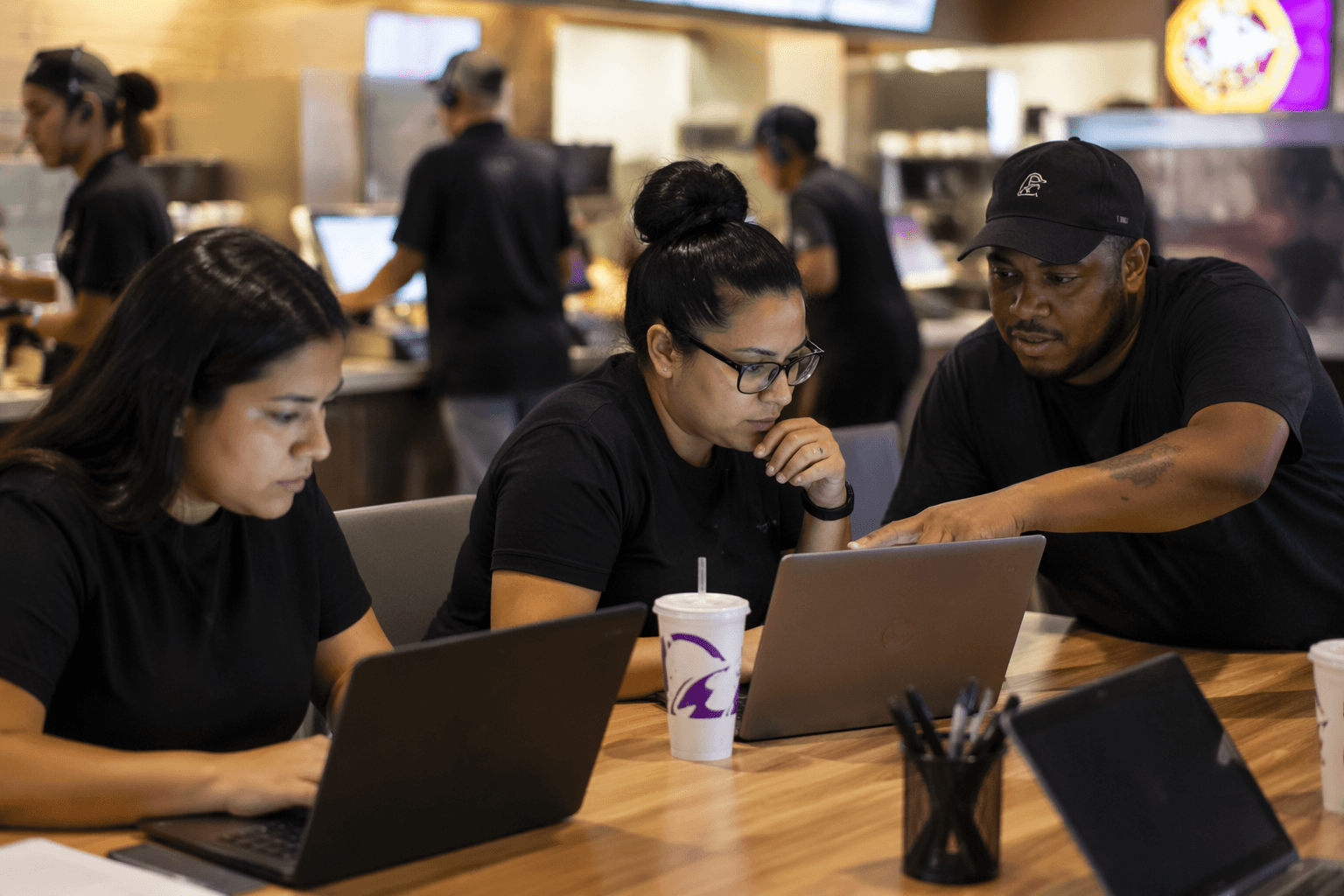
Taco Bell crews can raise understaffing, safety, and scheduling problems together, and the law may protect that kind of group action even without a union.
If you and your coworkers talk together about short staffing, broken equipment, unsafe late-night closings, or erratic schedules, that conversation may be protected. At Taco Bell, the line workers need to know is simpler than most managers make it sound: you do not have to be in a union, and you do not have to be alone, for the law to protect a shared complaint.
What the law protects
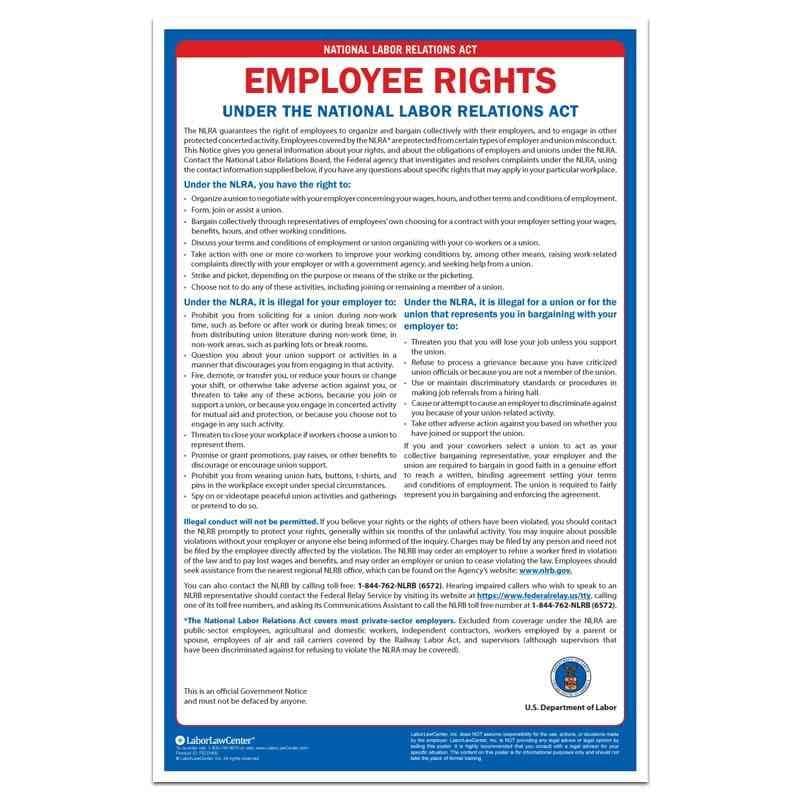
The National Labor Relations Board says it protects private-sector employees who join together, with or without a union, to improve wages and working conditions. The agency’s framework comes from the National Labor Relations Act, which Congress passed in 1935 to encourage collective bargaining and protect workers’ freedom of association.
That protection is broader than a union drive. The NLRB says workers have the right to form, join, or assist a union, choose representatives to bargain with the employer, act together with other employees for their mutual aid and protection, and choose not to take part in those activities. For Taco Bell crews, that means the law is not only about ballots and organizing committees. It also covers everyday shop-floor conversations about whether the store is staffed safely, whether breaks are being cut, or whether schedules are getting impossible.
The agency also says a single employee can still be protected if that person is acting on behalf of other workers, bringing group complaints to management, trying to induce group action, or preparing for group action. In other words, one crew member speaking up can still be covered if the complaint is really a group concern and not just a personal gripe.
What acting together looks like on shift
For a Taco Bell crew, “acting together” can be as plain as comparing notes before a rush, or as formal as a group of workers asking a manager to fix a recurring problem. The important thing is that the concern is shared, and the point is mutual aid and protection.
- telling a shift lead that understaffing is making it hard to keep the line moving and close safely
- raising broken equipment, such as a fryer, drink machine, or freezer, when it affects more than one worker
- speaking up about unsafe late-night closings, especially when the store is hot, slippery, or short on coverage
- asking as a group for more predictable schedules or more reliable hours
- discussing pay, breaks, or workload together before bringing the issue to management
That can look like:
The law is not promising that every complaint will be fixed. It is saying workers can talk together about those problems without automatically losing protection because they are not unionized. That matters in restaurants, where one worker’s hesitation can keep a whole crew silent until a small issue becomes a shutdown.
What managers need to understand
For managers, the warning is straightforward: retaliation over protected concerted activity can create serious legal exposure. The NLRB says it will fight to restore what was unlawfully taken away if employees are fired, suspended, or otherwise penalized for protected group activity.
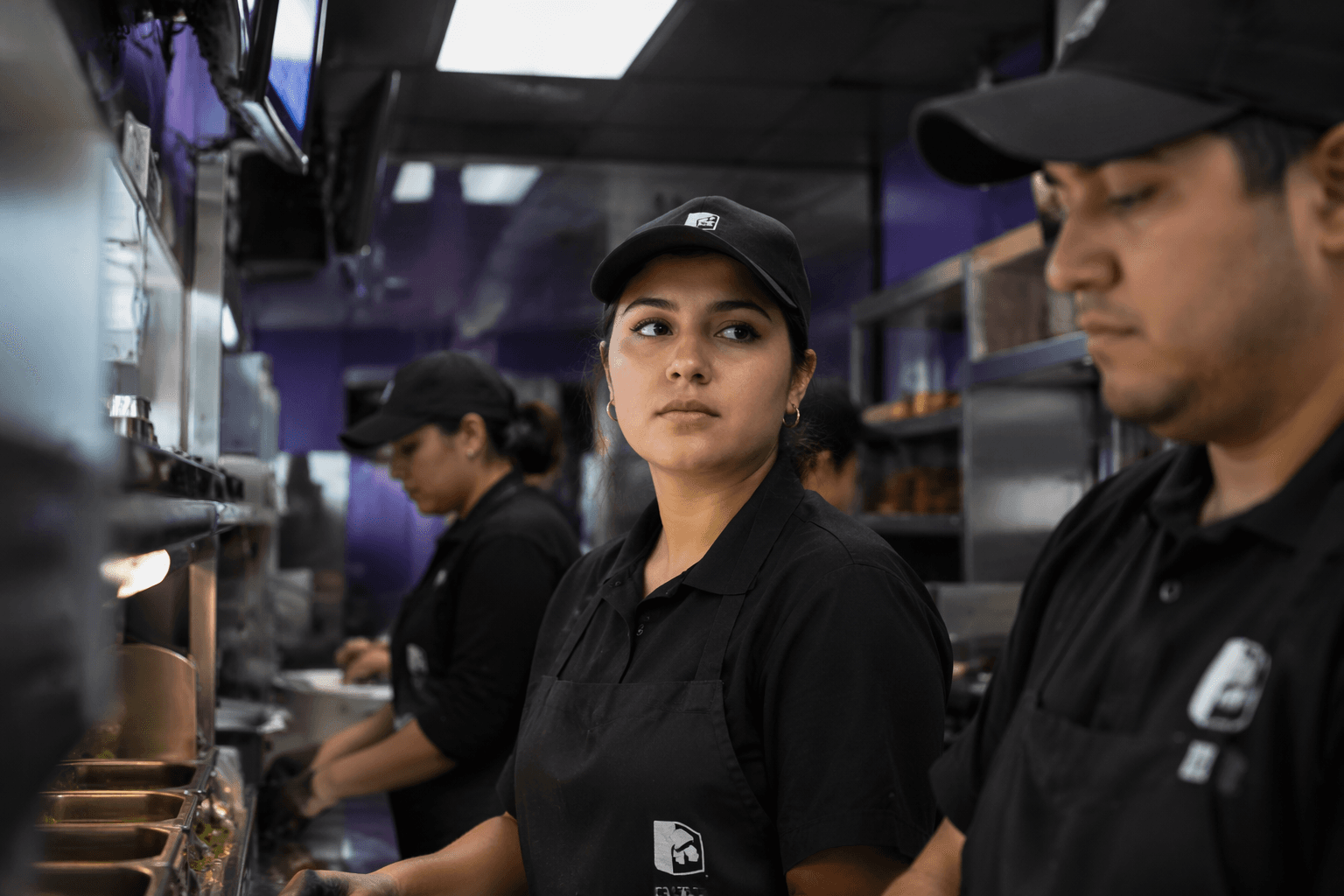
That means discipline, reduced hours, or other punishment tied to a crew raising shared concerns can become a legal problem fast. A manager does not have to like the complaint for it to be protected, and a worker does not have to bring it through a formal union campaign for the law to matter.
At a restaurant chain like Taco Bell, where franchise operators often run day-to-day operations, this can be especially important. Workers may be dealing with local staffing decisions, local scheduling practices, and local safety problems, even while the brand sits behind the store name. The legal risk attaches to how managers respond when workers act together about those issues.
Why Taco Bell workers should pay attention
This is not a theoretical issue. The National Labor Relations Board’s public case pages show Taco Bell disputes reaching the agency over time, including a case filed by C&R Restaurant Group LP d/b/a Taco Bell on October 7, 2024, in Alhambra, California. That docket includes an amended charge dated October 30, 2024, a letter approving a withdrawal request dated March 28, 2025, and a conformed settlement agreement dated April 30, 2025.
Another Taco Bell case involving DRG Food LLC d/b/a Taco Bell is also in the Board’s database, and an older Taco Bell restaurant case was filed on July 8, 2002, in Sioux City, Iowa. The paper trail shows that these fights have been coming up for years, not just in one recent wave.
Outside the Board’s case system, Taco Bell workers have also already used collective action on the ground. On June 12, 2024, Taco Bell and KFC workers in San José walked off the job to protest hot, dangerous conditions and cuts to their hours. That is the kind of frontline example that makes the abstract law feel real: unsafe heat, not enough people on shift, and hours being chopped are exactly the conditions that can push workers to speak together.
There is also a bigger scheduling lesson in the sector. In March 2026, Reuters reported that a Taco Bell and Dunkin franchisee agreed to pay more than $1.5 million to settle New York City claims that managers at two dozen restaurants violated scheduling protections for fast-food workers. For Taco Bell employees, that underscores how quickly a scheduling dispute can turn into a costly legal fight when managers do not follow the rules.
What to keep in mind before you speak up
The safest way to think about this is not, “Can I complain?” but, “Is this a shared workplace problem, and am I raising it with or for coworkers?” If the answer is yes, the NLRB’s protected-concerted-activity rules are likely relevant.
The practical takeaway for Taco Bell crews is simple: talk with each other, document the issue, and raise it as a group when you can. Whether the problem is understaffing, broken equipment, unsafe closings, or schedules that keep changing from week to week, the law is built to protect workers who speak together for better conditions. That protection is often the difference between a store that keeps running and a shift that turns into a breakdown.
This article was produced by Prism’s automated news system from verified source data, official records, and press releases, then run through automated quality and moderation checks before publishing. The system is built and supervised by the people who set the standards it runs under. Read our full AI policy.
Did this article answer your question?