Taco Bell workforce could feel pressure from immigration and scheduling reforms
The NRA says immigration and scheduling fights could squeeze Taco Bell stores first through thinner staffing, more overtime and harder-to-cover shifts. A $1.5 million NYC settlement shows the risk.

A thinner labor pool would show up first in the kitchen line, the drive-thru window and the manager trying to patch together a Friday night schedule. That is why the National Restaurant Association has put immigration reform, visa delays and scheduling rules near the top of its 2026 agenda: these are the policies that can decide who gets hired, how many hours crews can hold and how often a shift turns into an emergency call for coverage.
The association released its federal policy agenda on February 19, 2026, centering it on comprehensive immigration reform, the Credit Card Competition Act and renewal of USMCA. Its pitch is practical as much as political. The NRA says the goal is to stabilize the workforce, support job growth, cut operator costs and keep supply chains moving. That argument matters for Taco Bell because the chain sits inside a restaurant industry the group projects will generate $1.55 trillion in sales in 2026 and more than 100,000 new jobs.
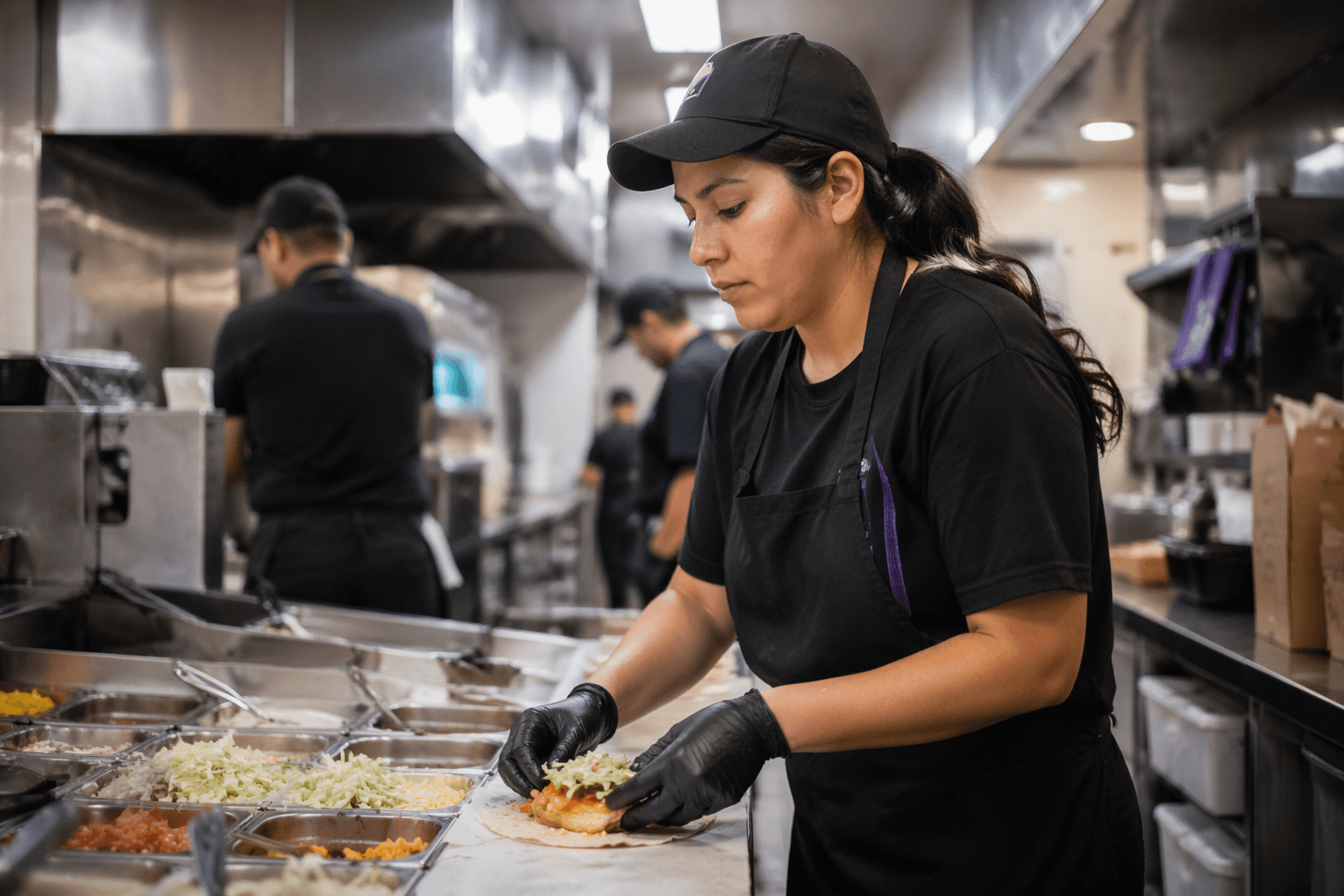
The pressure point is labor. The NRA says about 23% of restaurant employees were born outside the United States, and 3 in 10 speak a language other than English at home. In its demographic work, the association says restaurants needed to fill nearly 900,000 open jobs each month in 2025. It also warns that the U.S. labor force is projected to grow by less than 4% over the next decade while restaurants add 1.7 million jobs, a mismatch that leaves operators trying to do more with fewer people.
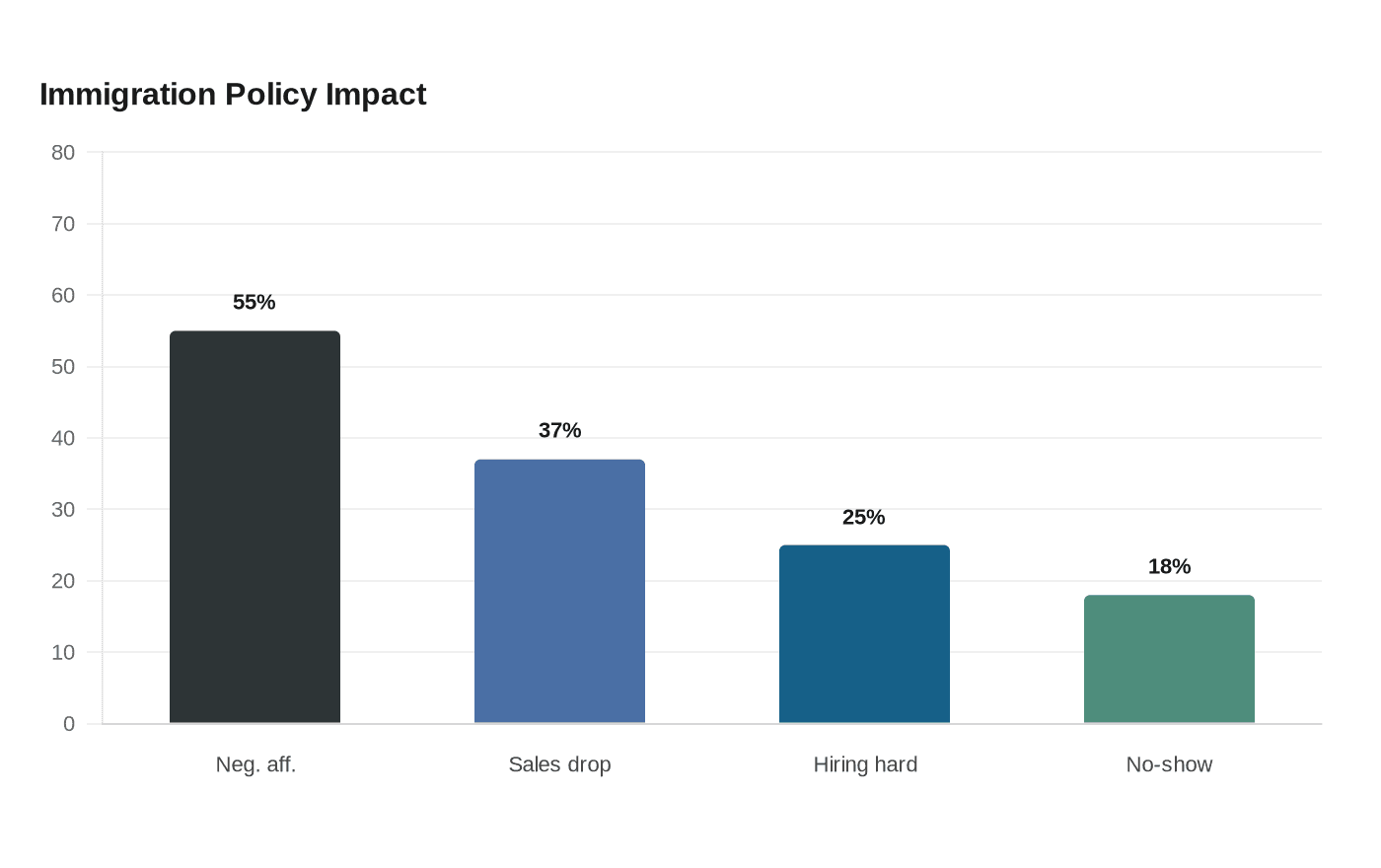
The association says the problem is already visible on the ground. In a survey of more than 900 operators conducted from January 16 to February 6, 2026, 55% said their restaurant had been negatively affected by recent immigration policy changes. Of those, 37% reported declines in sales and customer traffic, 25% said hiring or retention had gotten harder, and 18% said employees were not coming to work. That is the kind of disruption that can leave a Taco Bell manager deciding whether to run lean, pay overtime or cut hours.
Taco Bell’s franchise model makes those choices even more immediate. Yum! Brands says its system includes more than 63,000 restaurants in 155 countries and territories, and Taco Bell says its U.S. business is largely franchised, with franchisees serving as independent employers responsible for their own employment practices. In March 2026, New York City announced a $1.5 million settlement with a Taco Bell and Dunkin’ franchisee over Fair Workweek violations at roughly two dozen restaurants, a reminder that schedule rules can carry real costs when managers miss required notice.
If immigration policy narrows the labor pool and scheduling rules make it harder to adjust shifts quickly, the pressure lands inside the store: more overtime risk, less flexibility and a bigger chance that a busy night runs short. That is why restaurant lobbyists are pushing these fights as affordability and stability issues, not just Washington talking points.
This article was produced by Prism’s automated news system from verified source data, official records, and press releases, then run through automated quality and moderation checks before publishing. The system is built and supervised by the people who set the standards it runs under. Read our full AI policy.
Did this article answer your question?