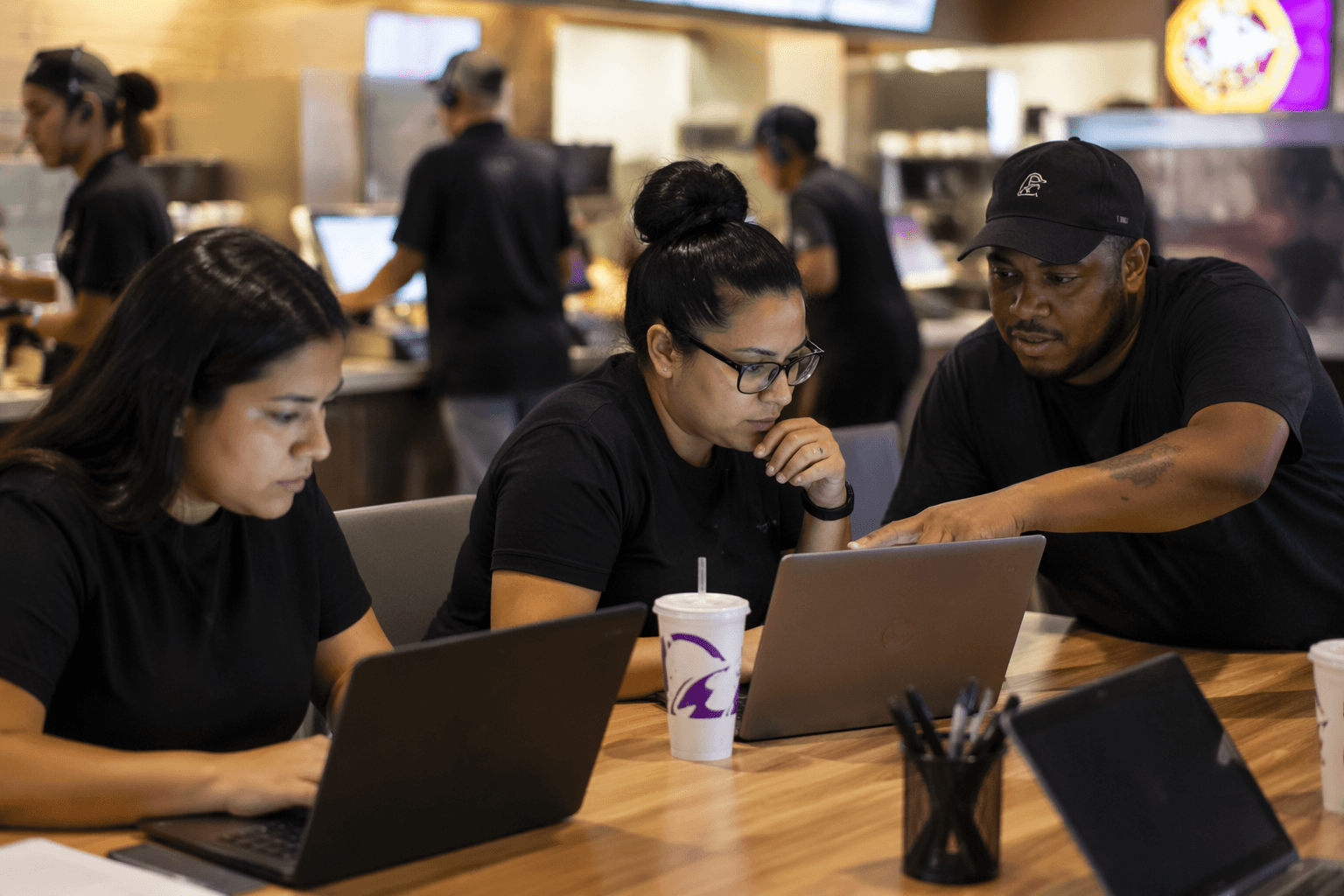
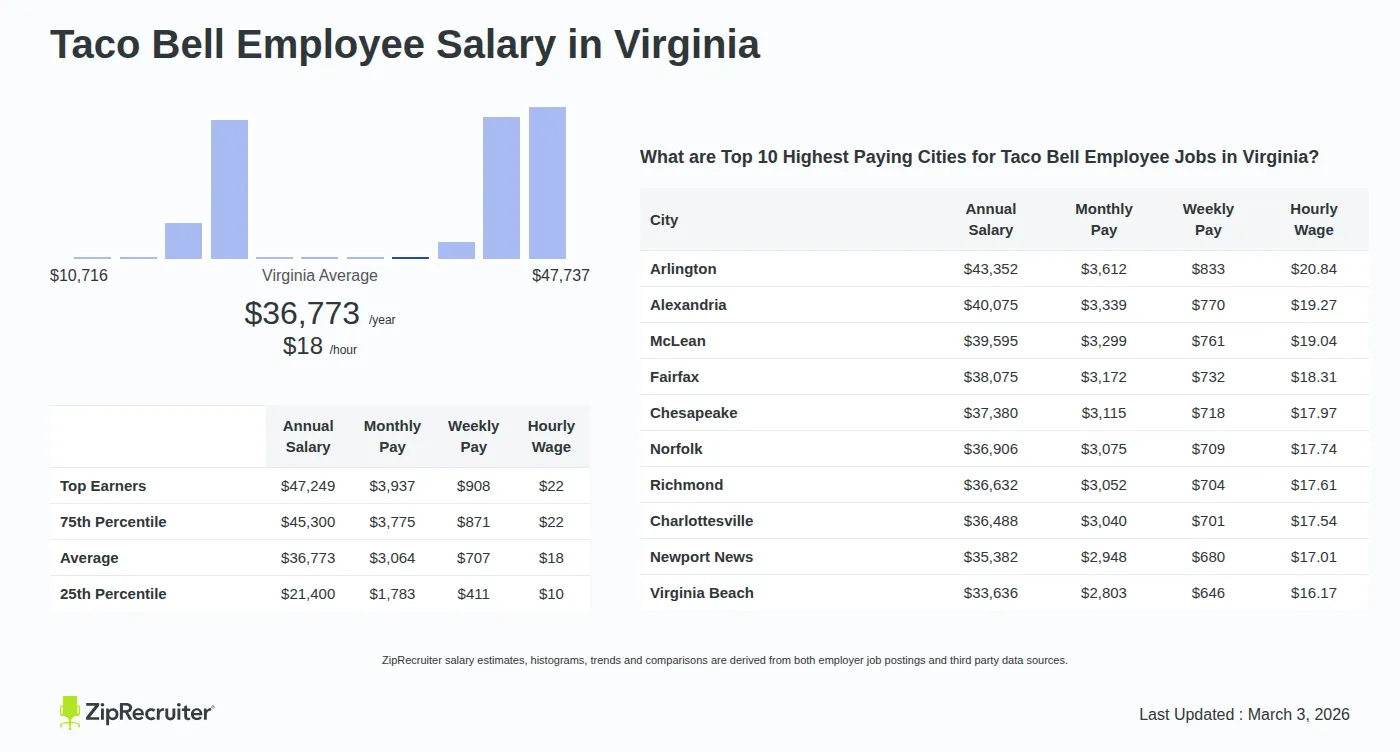
Taco Bell's tech push raises questions about shift workload
Taco Bell’s latest tech push could save time, but closers know the real test is simpler: does it cut work at the line, or just add another task before the lights go out?
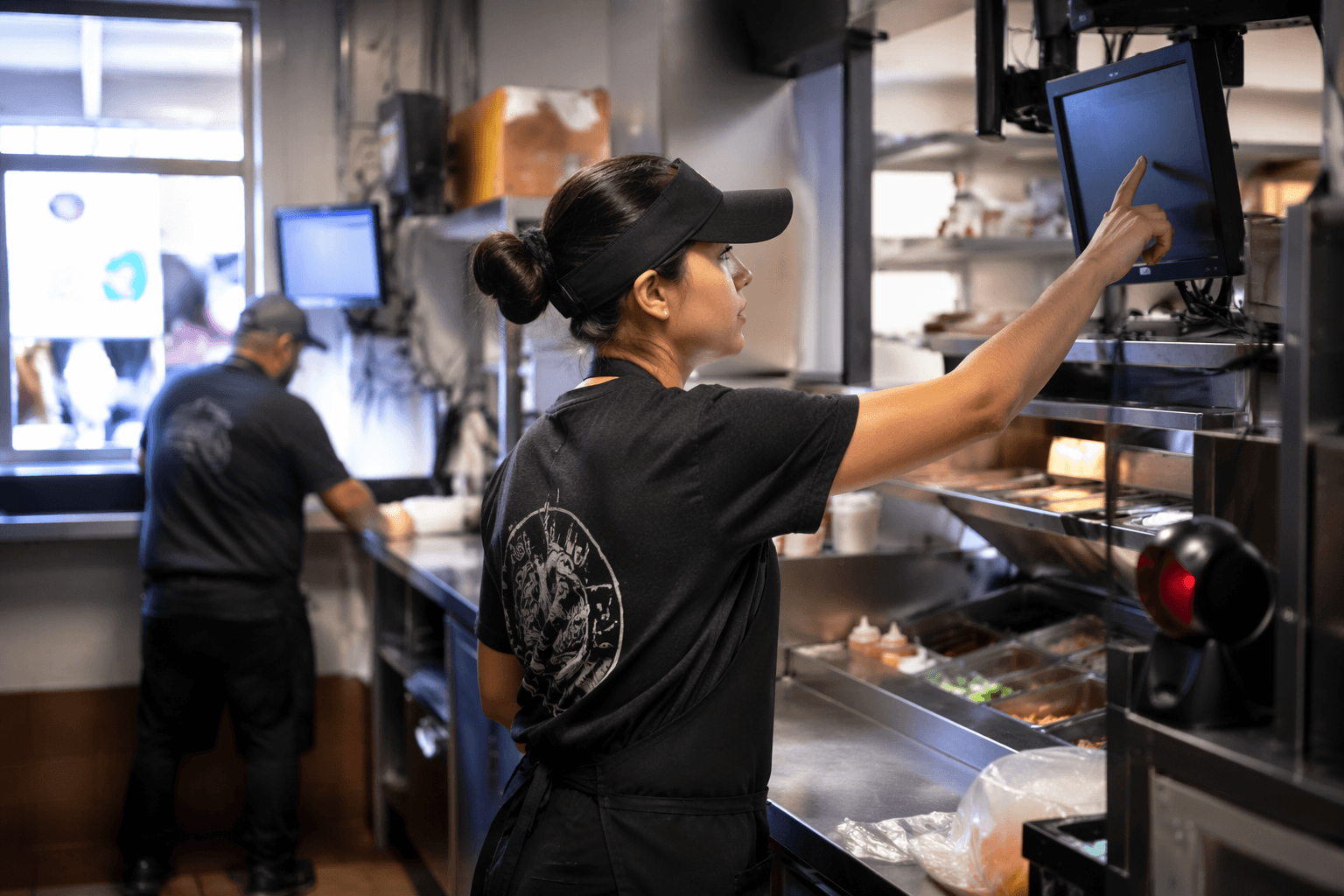
The hardest part of a Taco Bell close is rarely one big task. It is the stack of small ones: clearing digital tickets, reconciling orders from multiple channels, counting inventory, and resetting the store for morning while the clock keeps moving. That is why Taco Bell’s tech push matters less as a corporate story than as a labor question: which tools actually help a shift end on time, and which ones quietly turn closing into unpaid troubleshooting?
The closing shift is where software either helps or hurts
Restaurant software gets sold as a shortcut, but on a late-night Taco Bell close, every new screen can become one more thing to feed, check, and explain. The article making the rounds in restaurant circles argues that the problem is not whether technology is magical or terrible, but whether it respects what a real shift looks like. That distinction matters in a store that is already juggling drive-thru timing, delivery orders, mobile tickets, and constant menu churn.
When software works, it should remove steps. When it fails, it creates data drift, duplicate entry, and the kind of delay that makes a simple close spill into a longer one. For crews, that is not an abstract tech complaint. It is the difference between mopping the floor and still being there when the first breakfast prep comes in.
Why the Starbucks AI rollback is a warning for restaurant teams
Starbucks offers the clearest recent cautionary example. In May 2026, the company ended its worker-facing AI inventory-counting program after about nine months, and Reuters reported that employees saw the system as unreliable because of persistent miscounts and mislabeling. The company moved back toward traditional stock-keeping methods after the tool failed to deliver the consistency workers needed.
That matters for Taco Bell because inventory work is never isolated from the rest of the shift. If a system misreads counts or creates bad data, a closer can end up checking the same item twice, correcting numbers manually, or explaining discrepancies to a manager who expects the software to be right. The promise of automation is less labor. The reality, if the tool is badly designed, is often more labor with more accountability attached.
For workers, the useful lesson is not that every AI tool is bad. It is that a tool can still be expensive in time even when it is supposed to save time. If it turns a five-minute task into a 20-minute dispute, it has not reduced workload. It has simply moved the workload onto the people least able to absorb it.
Taco Bell is leaning harder into digital complexity
Yum! Brands has been pushing the chain deeper into technology for years. On February 6, 2025, it introduced Byte by Yum!, a proprietary AI-driven SaaS platform designed for Taco Bell, KFC, Pizza Hut, and Habit Burger & Grill. The company presented it as a way to consolidate essential systems and support teams across the brand family, which tells you something important about the direction of travel: more centralized tools, more digital coordination, and more management visibility into what is happening at store level.
The financial incentives are obvious. Yum! said Taco Bell’s digital sales topped more than $6 billion in 2024, up 32% year over year. It also said digital sales across the company surpassed $30 billion in 2024, with more than half of sales flowing through digital channels. At the same time, Yum! said Taco Bell delivered 7% same-store sales growth for 2024. In corporate language, those numbers argue for more tech. In store language, they can also mean more systems to manage during the rush and more pressure to keep every channel moving without a visible slowdown.
That is the worker tension at the center of Taco Bell’s tech story. Digital sales may be a revenue win, but every digital order still lands on a kitchen, a line, and a closing crew that has to clean up after it.
Menu experiments and new layouts can reshape the last hour of the night
Taco Bell’s technology push is not just software. It also shows up in store design and menu presentation. In 2023, the chain tested a 1,600-square-foot Go Mobile format built around digital and delivery orders. Then in March 2025, it unveiled 30 menu items in development at Live Más LIVE. In April 2026, Yum! said Taco Bell was testing AI-powered drive-thru digital menu boards that can change layout, content, and visuals car by car, with a broader rollout planned later in 2026.
On paper, that sounds like smarter selling. On the floor, it means more moving parts during the exact hours when closers are trying to simplify the environment. A menu board that changes by vehicle may help steer sales, but it also adds another layer of content management and another point where the store is no longer just serving food. It is also managing a live digital system that can shape what customers order, how quickly they order it, and what the team has to prepare next.
For closers, menu volatility is not just a marketing issue. New items mean new ingredients, new assembly steps, new training, and more chances for a mismatch between what the screen promises and what the kitchen can cleanly support at 10:45 p.m. The more the menu changes, the more the close depends on disciplined systems that actually reduce work instead of creating new cleanup.
What managers should demand from any new tool
The question for shift managers and restaurant managers is not whether Taco Bell should use technology. It already does, and the company has strong financial reasons to keep doing it. The real question is whether a tool reduces the labor on the line or shifts it into admin work, duplicate checks, and after-hours problem solving.
- cut down duplicate entry instead of creating it
- keep inventory accurate enough that closers are not second-guessing counts
- fit the pace of a real rush, not an idealized dashboard
- make opening easier the next morning instead of leaving a mess behind
- help the store close faster without increasing manager pushback over unresolved data
A useful system should do a few concrete things:
That is the standard workers should use. If a tool cannot survive a Taco Bell closing shift, it is not a productivity upgrade. It is another layer of labor disguised as convenience.
The broader restaurant tech boom is not slowing down. What matters now is whether Taco Bell’s next wave of software and digital systems gives crews a cleaner close, or simply gives management a more detailed picture of how much extra work the crew absorbed to make the numbers look good.
This article was produced by Prism’s automated news system from verified source data, official records, and press releases, then run through automated quality and moderation checks before publishing. The system is built and supervised by the people who set the standards it runs under. Read our full AI policy.
Did this article answer your question?