Taco Bell’s Warren, New Jersey field training manager role pays up to $105,000
Taco Bell’s Warren field training manager role pays up to $105,000. It shows how the chain rewards coaching, certification, and store readiness.
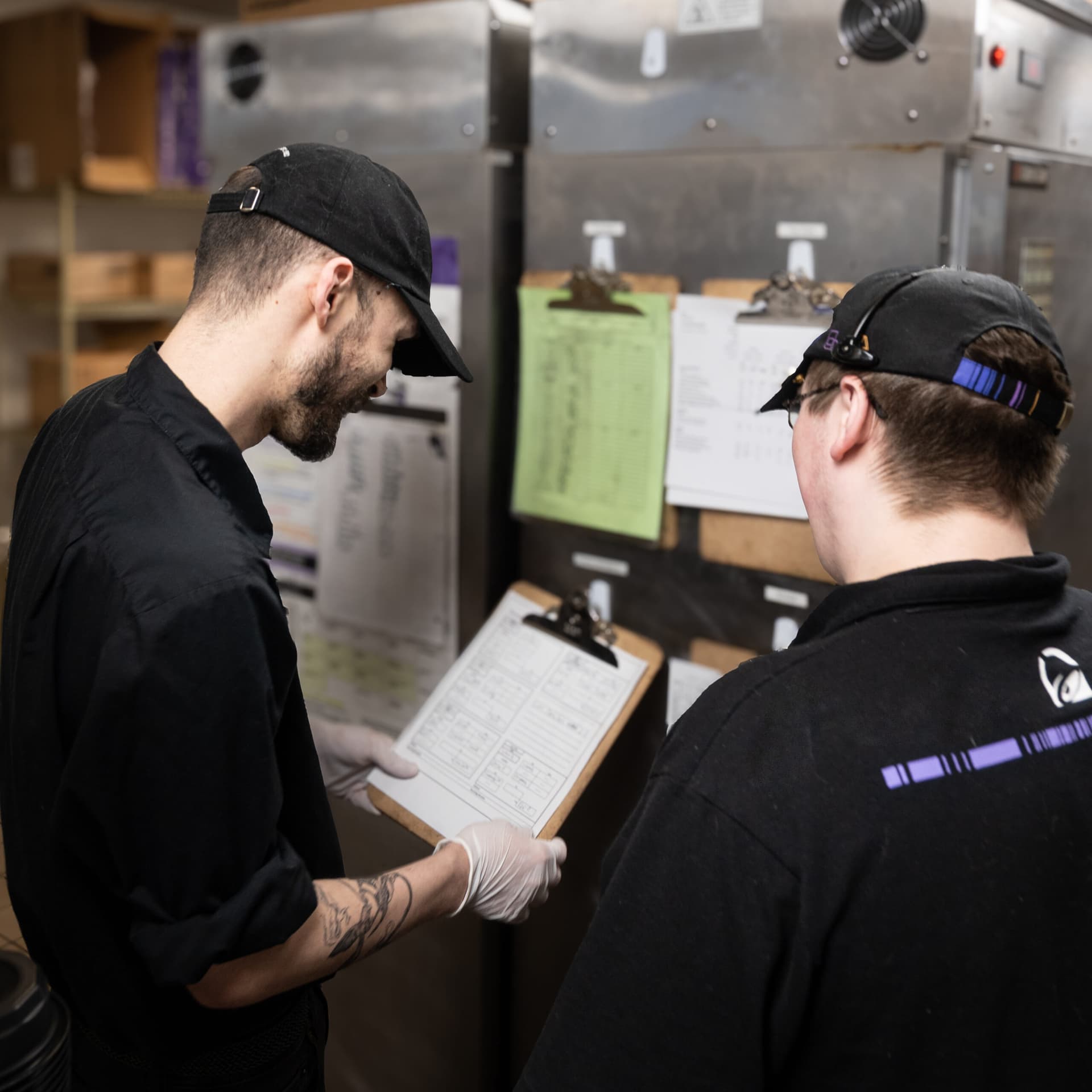
Taco Bell’s Field Training Manager posting in Warren, New Jersey pays up to $105,000, and the money is aimed at more than menu knowledge. The job sits at the hinge between store performance and advancement, where one person helps decide whether crews, shift leads, and restaurant managers are being coached into the brand’s standards or left to drift.
What the Warren posting is really buying
The Warren listing points to a field role that supports and conducts market-based training, new product implementations, non-product initiatives, and special projects. A mirrored version of the posting puts the salary at $85,000 to $105,000 and asks for at least five years of operations experience, which tells you this is not an entry-level training job dressed up with a fancier title.
That pay range also reflects the mix of work the company is asking for. A field training manager is expected to administer and facilitate training programs, support field operations, and help translate Taco Bell standards into something that can be repeated across stores, shifts, and markets. In a chain this large, consistency is the product as much as tacos or burritos are, and this role is one of the people jobs that protects it.
What the job does on the ground
The day-to-day work goes well beyond showing a new hire where the sauce packets are. Listings for the role say the manager oversees restaurant certification processes and drives market training initiatives, while another says the job conducts assessments and gives coaching and feedback during restaurant visits and designated development days for restaurant leaders and multi-unit managers.
A related training-manager description adds another layer: management coverage and direct supervision of restaurant operations. It also ties the job to the basics that keep a restaurant from slipping, including cleanliness, hospitality, accuracy, building maintenance, product quality, and speed of service. That mix matters because Taco Bell runs on volume and repetition, and small lapses in any one of those areas can ripple through the whole shift.
The job also connects to training language that appears in Taco Bell materials and study guides, including CHAMPS and team training around service, food safety, and operations. That is the kind of system that turns training into a standard rather than a one-time orientation. For a field training manager, the work is to make sure the standard lives in the store, not just in a handbook.
Why this role matters for advancement
For crew members and shift leads, this is one of the clearest examples of what Taco Bell rewards when it says it values growth. The field training manager is not judging performance from a distance; the job is built around visits, assessments, coaching, and development days, which means readiness gets measured in real time. That puts a premium on the skills that often decide promotion in restaurant work: showing up consistently, learning fast, absorbing feedback, and making the whole team run cleaner and faster.
It also tells you what moving up looks like inside the brand. The strongest candidates for this kind of job usually have more than food-service familiarity. They need operations experience, the ability to teach across different stores, and the judgment to correct mistakes without slowing service or undermining managers in front of their teams. In practice, that makes the role a bridge from restaurant management into training leadership, district support, or broader field operations.
The company’s wider workforce strategy backs that up. Taco Bell has required every new corporate employee to spend a week or more working frontline restaurant shifts during onboarding, so headquarters staff understand the pace and pressure of store work. Taco Bell also announced plans to create 100,000 new U.S. jobs by 2022, and in 2022 it launched a business school and a pilot business boot camp designed to create advancement pathways and broaden leadership diversity. Taken together, those moves show a brand that treats training as a pipeline, not a side task.
Why franchise scale raises the stakes
The franchise model makes the field training manager even more important. Taco Bell’s franchise pages and franchisee job sites lean hard on structured training, because one brand standard has to hold across different owners, store teams, and local markets. When the system expands through franchisees, consistency is no longer just a corporate preference, it is how the chain protects food safety, customer experience, and speed of service.
Flynn Group is a good example of that scale. It entered the Taco Bell system in 2013 and now operates more than 280 Taco Bell restaurants across 9 states. In that kind of network, a field training manager becomes the person who helps one playbook work in multiple places, even when labor is tight, turnover is high, or a new product launch needs to land fast.
That is why the Warren, New Jersey posting matters beyond the salary headline. The role shows that Taco Bell’s most valuable internal skill is not just working a line or running a shift, but standardizing how others work, coaching them to match the system, and spotting who is ready for the next step. In a restaurant chain built on speed and repetition, that is where advancement gets made.
This article was produced by Prism’s automated news system from verified source data, official records, and press releases, then run through automated quality and moderation checks before publishing. The system is built and supervised by the people who set the standards it runs under. Read our full AI policy.
Did this article answer your question?