Two-Story Taco Bell Prototype Routes Mobile Orders to Pickup Lanes, Reorganizes Crew
A Taco Bell franchisee rolled out a two-story, tech-heavy prototype routing app and delivery orders to dedicated pickup lanes, changing crew roles, training, and staffing plans.

A Taco Bell franchisee unveiled a two-story prototype engineered to speed drive-thru throughput by routing the bulk of orders from the app and third-party delivery services to dedicated digital pickup lanes while keeping one traditional lane for on-the-spot customers. The design centralizes food production on an elevated kitchen and relies on digital check-in and pickup lanes, with proprietary lift systems used in other Defy implementations to move orders, all intended to reduce service times and fit higher volumes into smaller footprints.
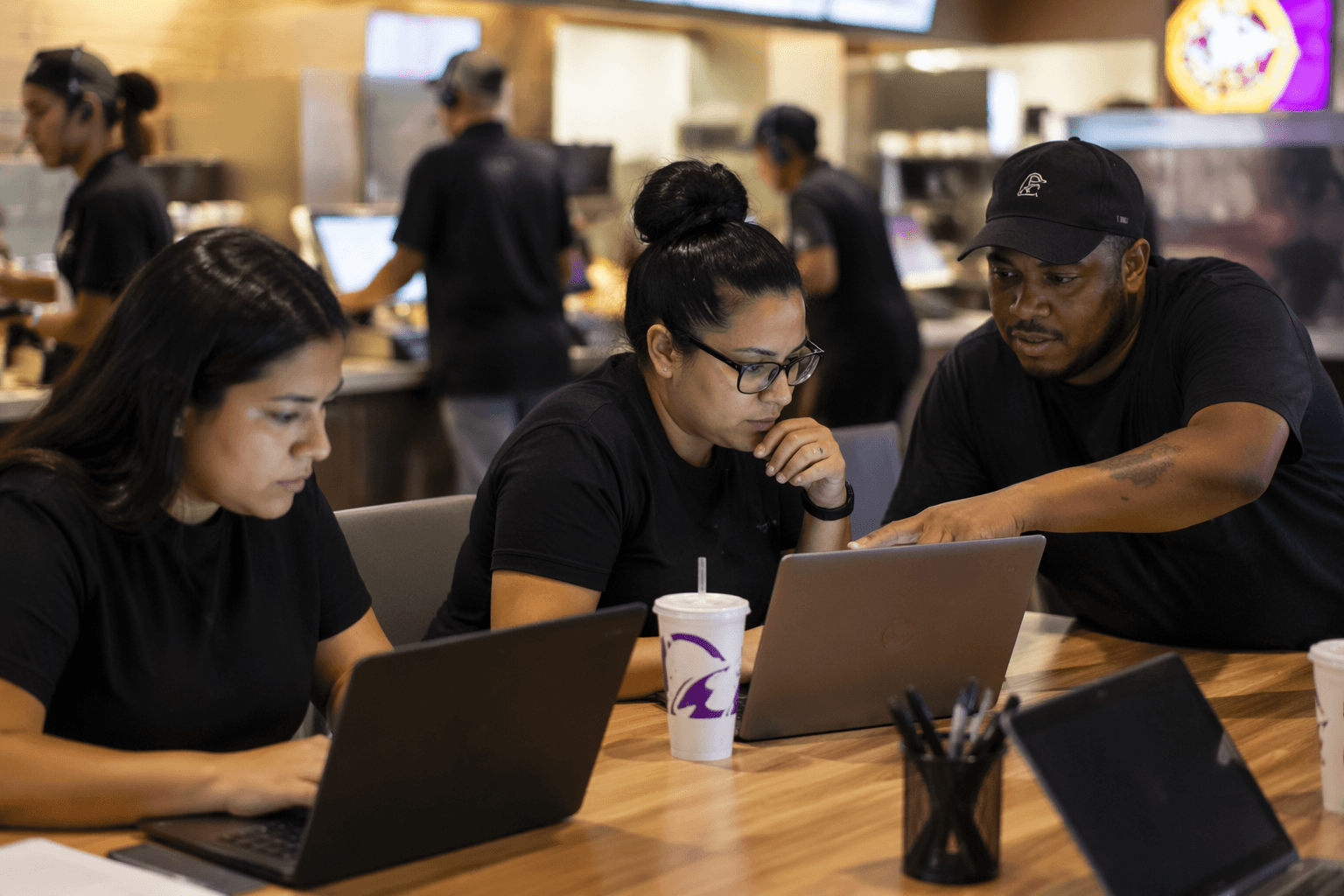
The prototype shifts the visible work of taking payment and handing off orders away from a single multiuse lane to a multi-stream system where app, delivery drivers, and traditional drive-thru customers are processed in parallel. For crew members, that means new station assignments and altered shift planning to cover simultaneous order streams. Managers will likely need to assign dedicated staff to mobile order check-in, delivery-app staging, and the traditional drive-thru window, plus a concentrated team upstairs handling assembly and hot-hold timing on the elevated production line.
New technology interfaces and check-in procedures are another operational change. Crew will need to learn digital check-in flows for delivery drivers and app customers, monitor multiple pickup lanes that display order status, and coordinate with automated lifts or other conveyance systems where deployed. Faster throughput targets tied to the prototype will influence headcount planning; managers may aim for fewer staff per peak period if cycle times drop, or conversely add workers with specialized tech or expediting roles to prevent bottlenecks when app exceptions occur.
Training and escalation protocols are expected to evolve alongside the layout. Crews will require instruction on the new check-in software, the timing and sequencing of stacked orders, and troubleshooting for app or aggregator mismatches. Escalation paths for missing or incorrect mobile orders and for lift or conveyance failures will need to be clear to keep lines moving and avoid customer frustration during peak traffic.

The prototype fits into Taco Bell and its franchisee partners' broader efforts to reengineer restaurant flow for a market increasingly driven by mobile ordering and delivery aggregation. On January 25, 2026, the franchisee detailed the concept as part of those experiments to rework footprint and speed without sacrificing order accuracy.
For employees, the shift promises changes in day-to-day rhythm more than wholesale job cuts: different skills, faster pacing, and new tech responsibilities will shape training needs and career paths inside restaurants. For managers and chain planners, the test will show whether deeper tech integration and vertical kitchen design can deliver promised throughput gains while keeping crew workload sustainable and operational exceptions manageable.
This article was produced by Prism’s automated news system from verified source data, official records, and press releases, then run through automated quality and moderation checks before publishing. The system is built and supervised by the people who set the standards it runs under. Read our full AI policy.
Did this article answer your question?