USDA warns of E. coli risk in beef kofta alert
A beef kofta alert tied to The Kebab Shop showed how fast one supplier issue can turn into a restaurant-wide risk when temperature checks and traceability slip.

A federal food-safety alert over beef kofta served at The Kebab Shop put a hard point on a familiar restaurant reality: one contaminated ingredient can ripple across multiple states before crews ever see the headline. The U.S. Department of Agriculture’s Food Safety and Inspection Service warned that the raw ground beef product, made by Olympia Food Industries, Inc., may have been contaminated with Shiga toxin-producing E. coli O157:H7. The alert covered locations in California, Florida and Texas, and FSIS said a recall was not requested because the product was no longer available for purchase.
The timing makes the risk more concrete. Illness onset dates in the investigation were reported from March 27, 2026, through April 30, 2026, and The Kebab Shop stopped selling beef kofta at all of its restaurants on May 18, 2026. FSIS also said raw ground beef kofta samples tested positive for E. coli O157:H7, while additional testing continued to determine whether those samples matched the specific outbreak strain. For restaurant workers, that is the kind of chain-reaction problem that starts with a menu item and ends with a review of receiving, holding, labeling and cleaning decisions made on the line.
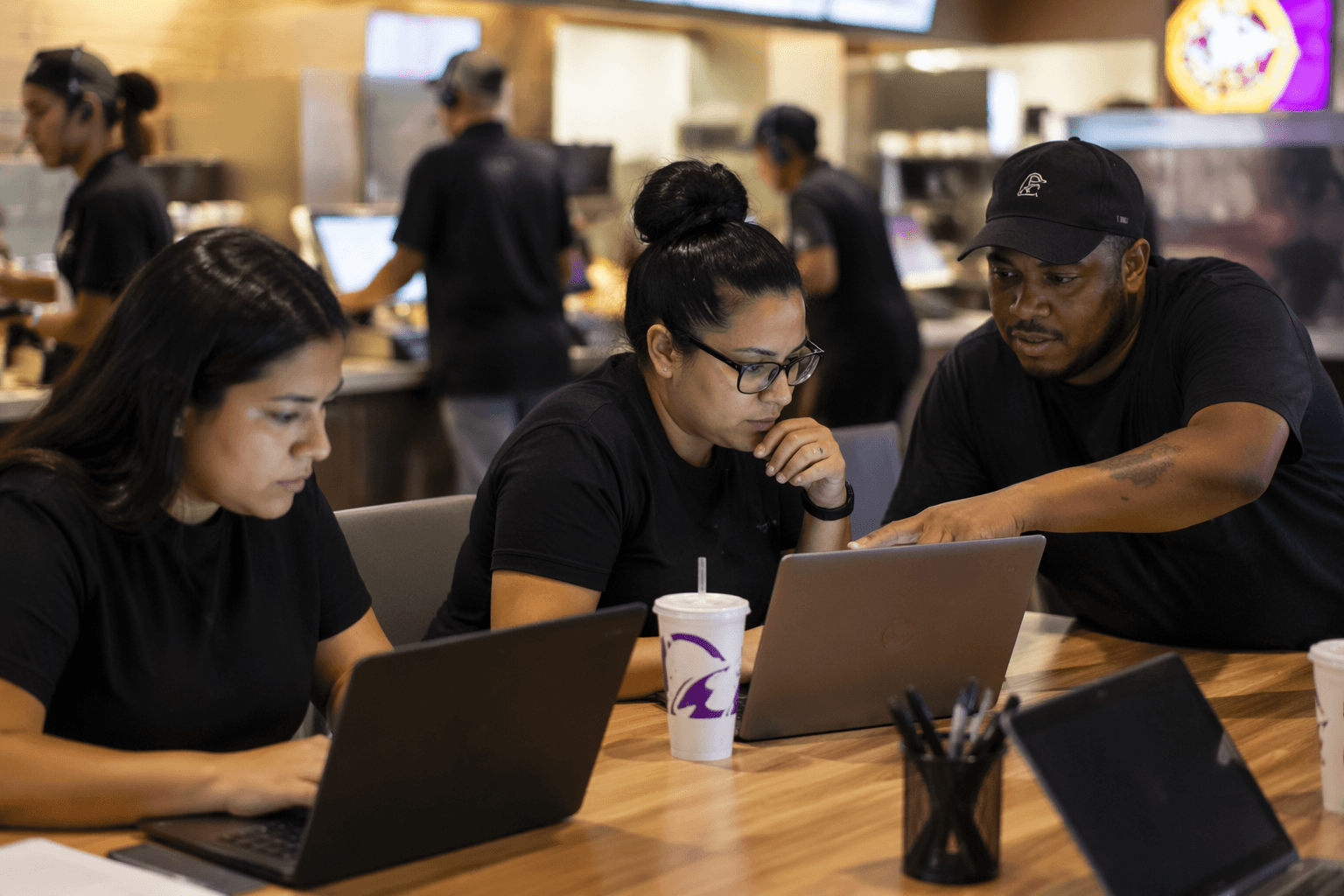
For Taco Bell crew members and shift managers, the lesson is not abstract. A food-safety event like this is exactly why temperature logs, cooler checks and clean workstations cannot be treated as paperwork. Taco Bell says food quality and safety are top priorities, and it says it has worked with suppliers, industry experts, regulators and even competitors to improve food safety from farm to restaurant. The company also says its suppliers meet and exceed industry standards for food quality, while its job postings emphasize regular temperature checks, workstation cleanliness and monitoring food temperatures in reach-in coolers.
That routine matters because the first sign of trouble is often small: a package left too long in a cool zone, a holding issue that goes unreported, a damaged box that never gets escalated. FDA’s traceability lot code standard exists to uniquely identify a traceability lot in records, giving restaurants and suppliers a faster way to track where food went and where it came from. In a kitchen run by hourly crew and shift managers, that paper trail is only useful if the team actually documents lot numbers, holds product correctly and flags problems before service.
FSIS says it may answer outbreak investigations with recalls or public health alerts and follows up with after-action reviews to share lessons learned with public-health and industry partners. For Taco Bell workers, the message is blunt: food safety lives at the station, not in a corporate memo. The stores that catch problems early protect customers, avoid brand damage and spare their own crews from becoming the next cautionary headline.
This article was produced by Prism’s automated news system from verified source data, official records, and press releases, then run through automated quality and moderation checks before publishing. The system is built and supervised by the people who set the standards it runs under. Read our full AI policy.
Did this article answer your question?