Wendy’s names new finance-strategy chief amid leadership overhaul
Wendy’s put finance and strategy under one roof as it pushed toward 8,100 to 8,300 stores and a tighter turnaround plan. Taco Bell operators should watch for tougher margin, labor and remodel discipline.
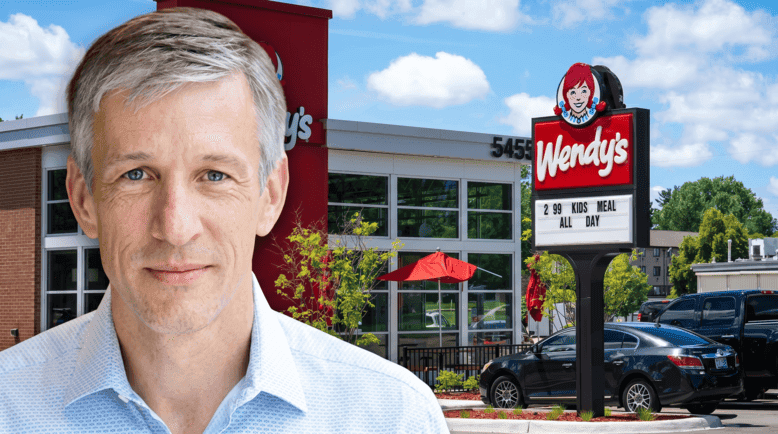
Wendy’s put Steve Cirulis in charge of both finance and strategy, naming the Potbelly executive its new chief financial officer and chief strategy officer as it continues a broader leadership overhaul. Cirulis previously held the same dual role at Potbelly and has also worked at Panera Bread, McDonald’s and Gap. He replaces Ken Cook, who had been serving as CFO and interim CEO after Kirk Tanner’s unexpected departure. Cook will stay on as an advisor through July.
For Taco Bell crews and managers, the appointment is less about Wendy’s as a competitor than about where chain leadership is heading: one executive now owns the cost base, the growth plan and the operating model all at once. That is the kind of setup that usually puts more pressure on labor productivity, menu discipline, remodel timing and technology spending, because finance stops being a back-office function and becomes the map for how restaurants actually run.

Wendy’s own long-term plan shows why. The chain has said it sees a path to 8,100 to 8,300 restaurants, $17.5 billion to $18 billion in systemwide sales and $650 million to $700 million in adjusted EBITDA by 2028. It also has leaned hard on its Global Next Gen restaurant design, which uses digital menu boards, self-order kiosks, a redesigned kitchen and energy-saving systems, with a streamlined build process meant to reduce capital expenditures and a layout designed to lift kitchen output capacity by nearly 50%.
That push comes after a rougher stretch. Wendy’s said 2023 marked its 13th straight year of global same-restaurant sales growth, with sales up more than 4%. But the company later faced a harsher turnaround environment, including a fourth quarter of 2025 in which same-store sales fell 11.3% and a Project Fresh plan that targeted closures of about 5% to 6% of its U.S. system, or roughly 300 restaurants. Wendy’s also opened 74 new restaurants globally in the first quarter of 2025 and 118 in the first half, while nearly 2,000 people from its global system attended the 2024 Global Franchise Convention, a sign of how much the brand is leaning on operator alignment.
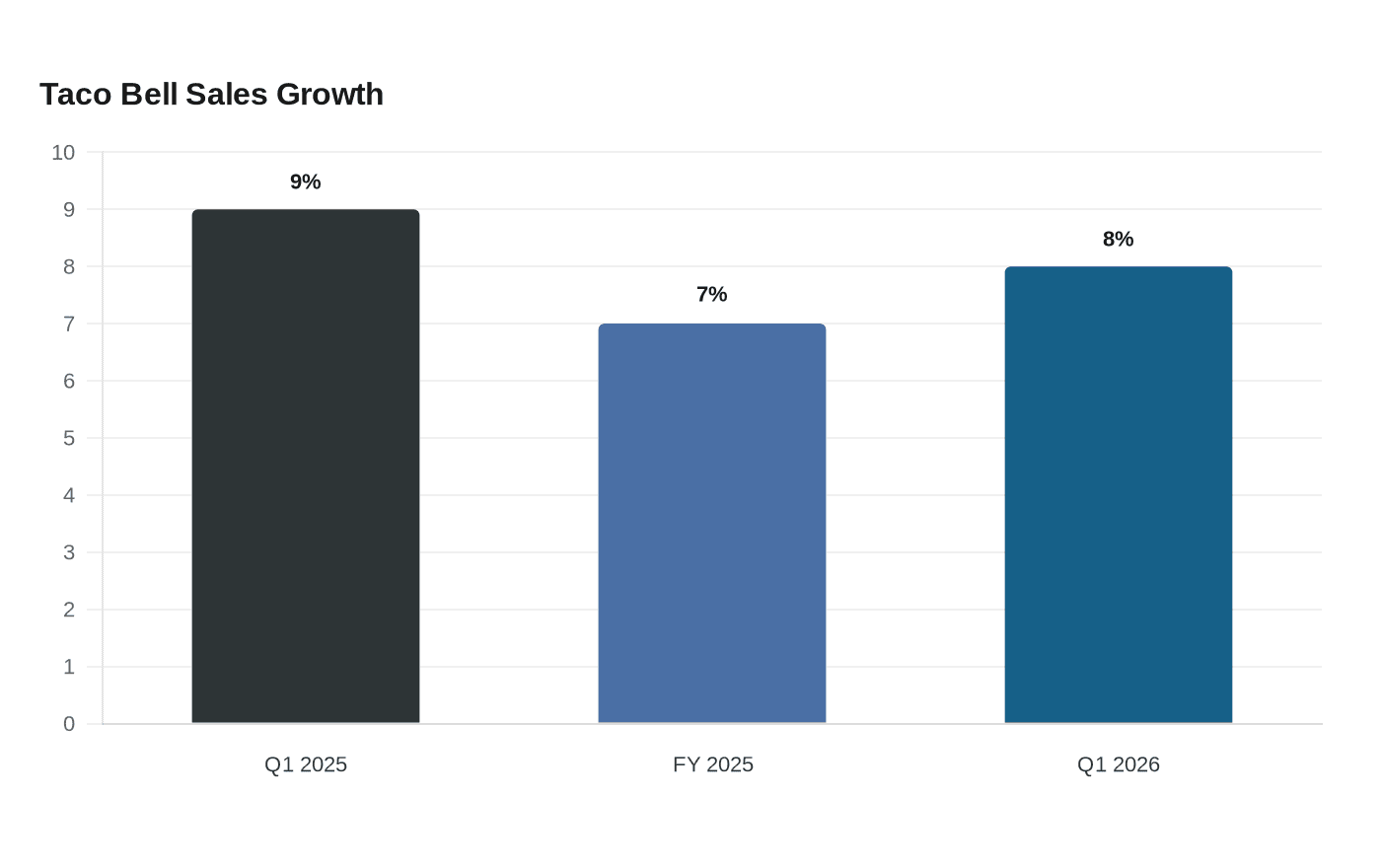
Taco Bell is coming from a stronger sales position, but the strategic logic is similar. Yum! Brands said Taco Bell U.S. same-store sales rose 9% in the first quarter of 2025, 7% for full-year 2025 and 8% in the first quarter of 2026. On March 4, 2025, Taco Bell tied financial milestones, restaurant experience, digital investment, international expansion and menu strategy together in one presentation. For the people scheduling shifts, running line speed and keeping food cost in check, that is the real signal: the next round of leadership decisions is likely to be judged less by slogans than by whether stores can deliver faster service, cleaner margins and fewer moving parts.
This article was produced by Prism’s automated news system from verified source data, official records, and press releases, then run through automated quality and moderation checks before publishing. The system is built and supervised by the people who set the standards it runs under. Read our full AI policy.
Did this article answer your question?