Why Taco Bell Franchise Structure Complicates Worker Accountability and Enforcement
Taco Bell's franchise model separates brand from local operators, complicating enforcement of wage-and-hour, benefits, and safety rules and leaving workers uncertain who is their employer.
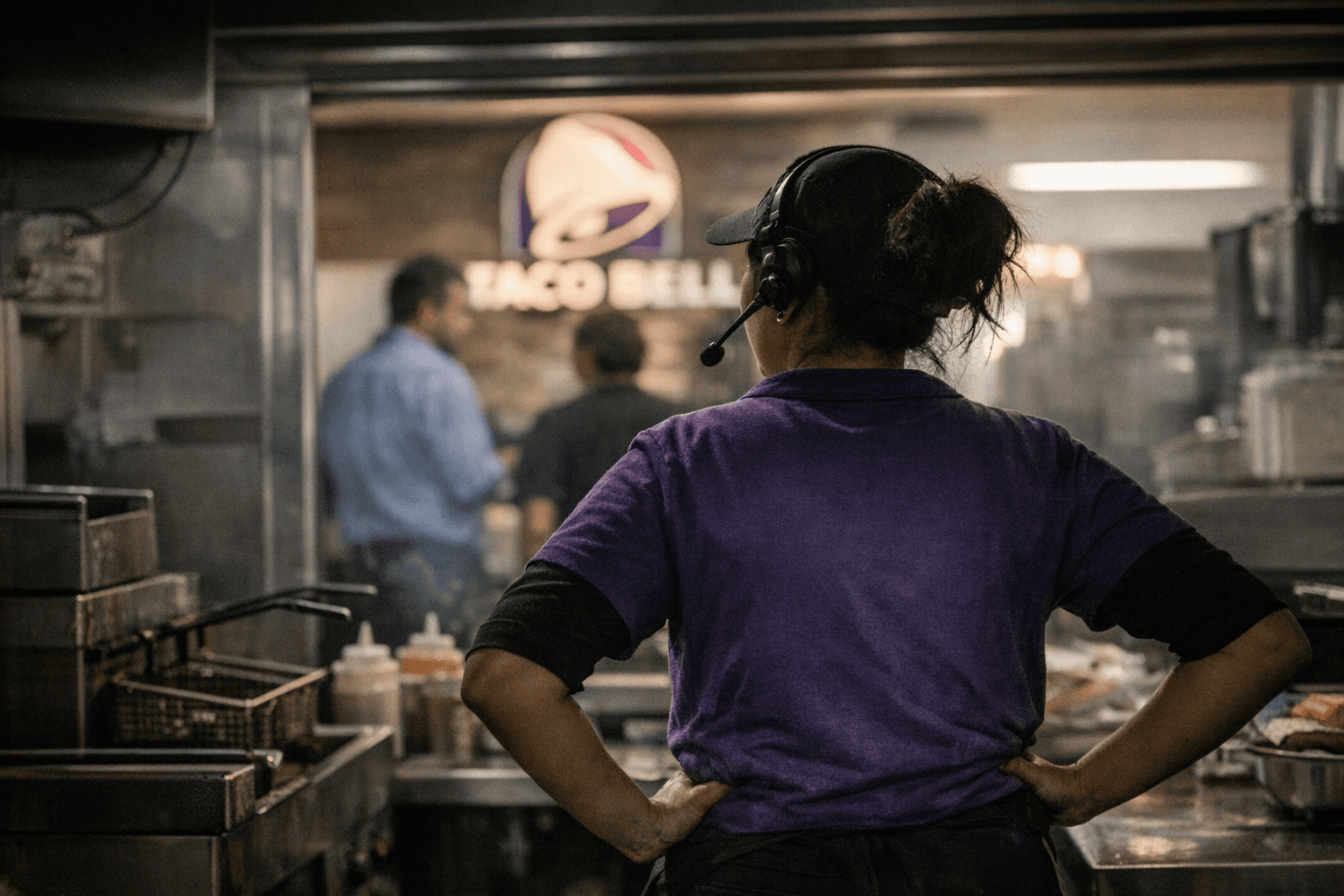
The legal separation between Taco Bell as a brand and the franchisees that operate most restaurants creates real obstacles for workers seeking pay, benefits, or safer conditions. Franchisors typically license brand, systems, and signage while independent franchisees hire staff and run day-to-day operations. That split can diffuse responsibility and make enforcement by regulators, advocates, and workers more complicated.
Academic and policy research shows why the distinction matters. Because franchisees are often the named employers on payroll and benefits paperwork, initial enforcement usually targets the local operator. Advocates and enforcement agencies sometimes pursue joint-employer theories to hold the brand accountable when facts suggest franchisors exercise meaningful control over labor standards, scheduling, hiring, training, or discipline. Other times, agencies must rely on franchisee-level enforcement, even when systemic problems appear tied to brand-level policies or systems.
The National Employment Law Project and related legal analyses have documented how the franchise model can be used to allocate or diffuse legal responsibility. For workers, that allocation is not merely academic. Knowing whether a location is corporate-owned or franchisee-run affects who to contact about unpaid wages, how to access benefits, and where to file complaints. It also affects day-to-day dynamics in the restaurant: a general manager employed by a franchisee may have authority locally but limited ability to change brand-level requirements for scheduling, training, or safety protocols that shape conditions for crew members and shift leads.
The practical result is a layered accountability problem. When a safety lapse, wage violation, or benefits denial occurs, workers may face uncertainty over whether to escalate concerns to the franchisee owner, to Taco Bell corporate, or to a government agency. This can slow investigations and allow violations to persist while legal responsibility is parsed. For advocates and regulators, the choice between pursuing a joint-employer case or enforcing against an individual franchisee depends on specific evidence of control, and the outcome can determine whether remedies reach the national brand or remain localized.
For Taco Bell employees, the takeaway is that employer status matters. Identifying the operator of your location and documenting interactions that show who sets schedules, payroll procedures, or disciplinary rules can shape the most effective route for complaints or legal claims. As enforcement strategies continue to evolve, workers and advocates will keep testing when brand-level control is sufficient to make franchisors accountable. The debate over joint-employer liability will shape whether violations are corrected at a single restaurant or prompt changes across entire franchise systems.
Know something we missed? Have a correction or additional information?
Submit a Tip

