World Cup traffic lifts Taco Bell demand, managers brace for spikes
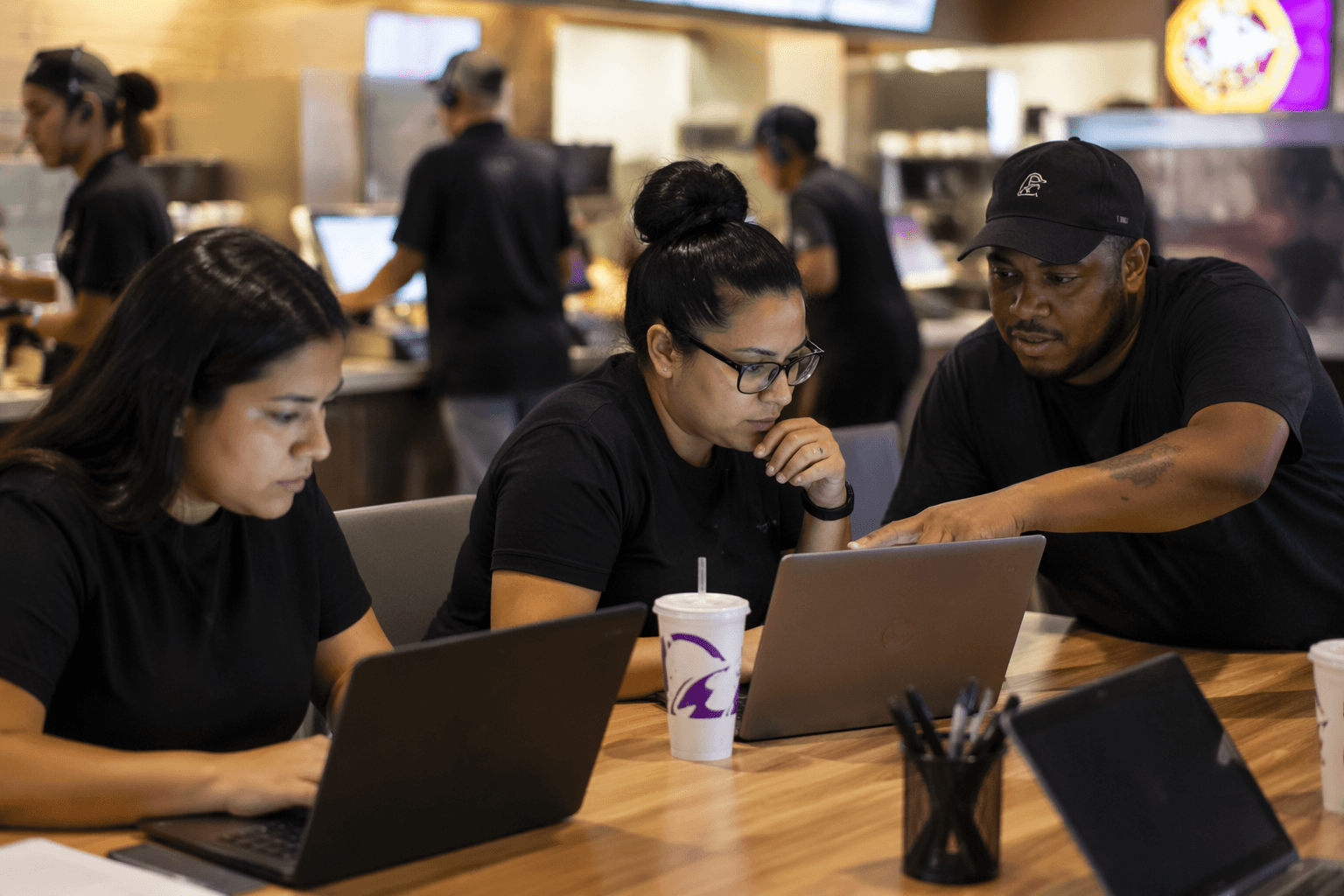
World Cup traffic is forcing Taco Bell managers to tighten schedules, cross-train crews, and protect breaks as host-market hiring jumps.
Hospitality job postings in the 11 U.S. World Cup host metros climbed 30.3% in May from the January-April average, while non-host markets fell 23.8%, a gap that points to very uneven labor pressure as tournament traffic builds. For Taco Bell shift managers, that kind of swing is not just a sales bump; it means busier lunch rushes, sharper late-night spikes, and more game-time orders that can strain a store’s coverage if breaks and handoffs are not managed tightly.
The 2026 World Cup has returned to the United States for the first time since 1994, it is the first 48-team edition, and it runs from June 11 to July 19. Restaurants are planning for watch parties, early matches, tourist traffic, and longer stays, which changes when people order as much as how much they order. At Taco Bell, that can turn a routine dinner block into a stacked rush, with app orders, drive-thru tickets, and late-night traffic all hitting at once.
That is why the staffing response matters more than the headline sales lift. In markets seeing the biggest traffic increase, managers have to deploy labor more precisely across dayparts, move cross-trained employees where the line is thickest, and protect break timing so coverage does not collapse during peak moments. The pressure lands hardest on the crews who handle lunch, late-night, and game-time spikes, especially when customers stay out longer and order more snack-driven items around sporting events.

Taco Bell has built part of its business around that kind of flexibility. Yum! says the chain became the first quick-service restaurant to launch a mobile app in its U.S. restaurants for both drive-thru and dining orders. Brand materials also say customers can order ahead online for pickup or delivery and earn rewards through the app, while location pages keep late-night food and drive-thru access front and center. Those channels make the brand especially sensitive when event traffic stacks on top of normal evening demand.
The scale is hard to miss: Taco Bell was listed at $17.247 billion in 2025 U.S. sales. The chain has also leaned into soccer before, including a World Cup-themed campaign called “Donde We All Play” in 2022 aimed at Latin and youth audiences. This summer’s traffic surge makes that kind of marketing look less like a one-off promotion and more like an operations test for the stores that have to serve it.
This article was produced by Prism’s automated news system from verified source data, official records, and press releases, then run through automated quality and moderation checks before publishing. The system is built and supervised by the people who set the standards it runs under. Read our full AI policy.
Did this article answer your question?