World Cup visitors turn Taco Bell into viral Americana stop
World Cup fans are turning Taco Bell into a viral Americana stop, and one German creator drew hundreds of thousands of followers after calling it the holy land.
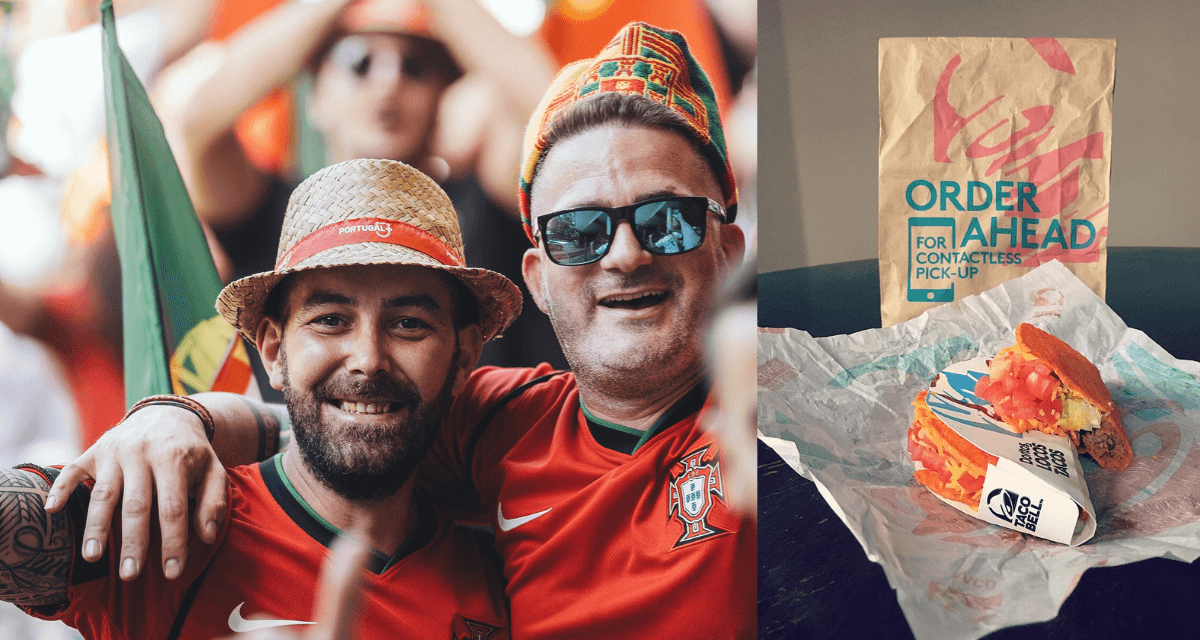
European World Cup visitors have turned Taco Bell into part of the travel spectacle, with CBS News Colorado anchor Romi Bean pointing to an X feed crowded with fans posting first-time stops at Taco Bell, Buc-ee’s, Waffle House, barbecue joints and ranch-heavy meals. The chatter has spread alongside the 2026 FIFA World Cup, which began June 11 and is being played across 16 host cities in the United States, Mexico and Canada, including 11 U.S. cities.
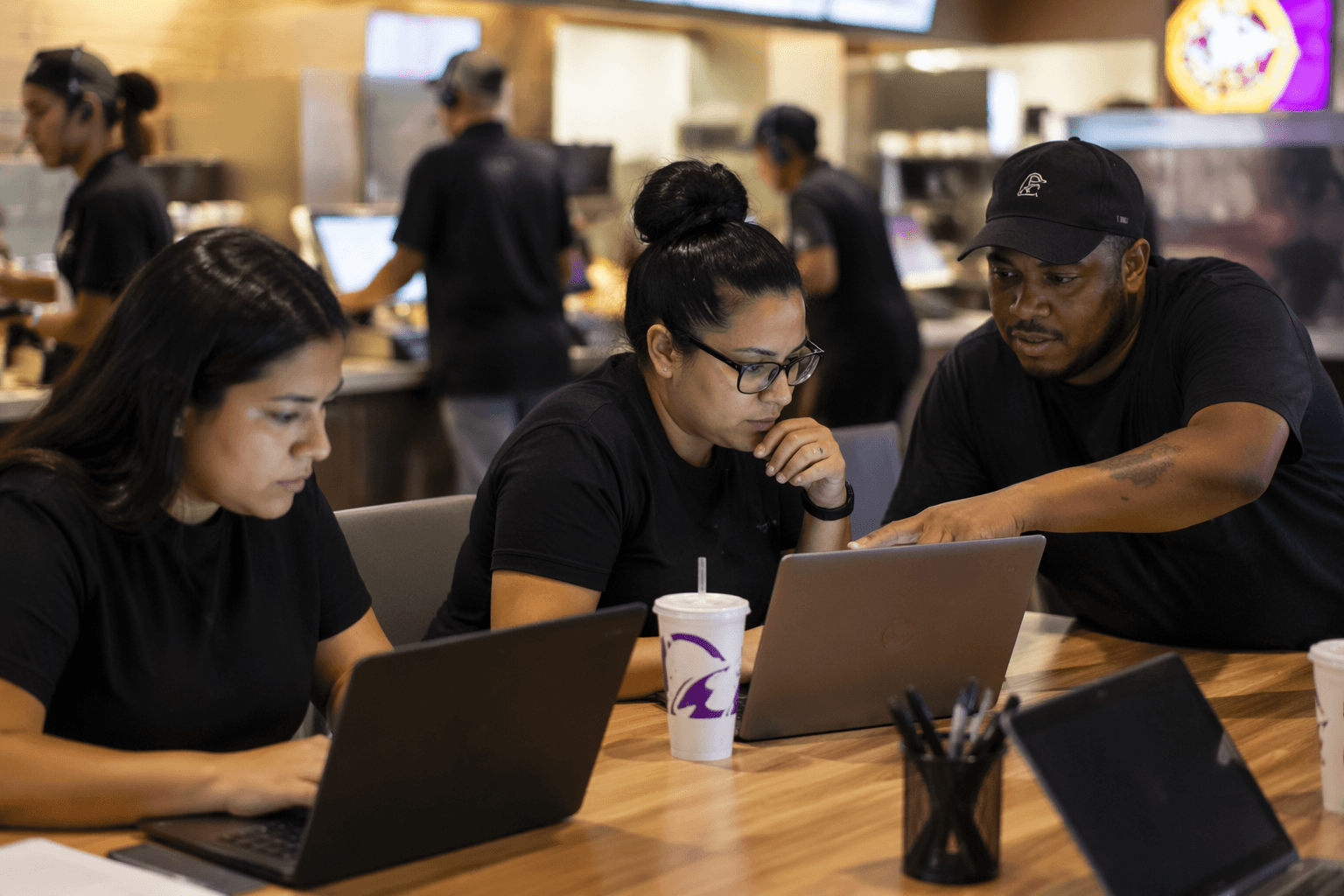
For Taco Bell crews, the viral moment is less about social media and more about the counter. Taco Bell says the first restaurant opened in 1962 in Downey, California, founded by Glen Bell, and the chain still leans on familiar items such as the Crunchwrap Supreme and its late-night customizable food. That combination makes it easy for international visitors to treat the brand like a checklist stop, while restaurant workers are left to explain the menu, keep lines moving and turn curiosity into sales during already busy World Cup traffic.
Buc-ee’s has become part of the same Americana circuit. CBS News reported that the chain opened its first store in Lake Jackson, Texas, in 1982 and now has 54 locations across 11 states. Its barbecue and oversized roadside-stop format fit the same pattern as Taco Bell: a place Americans may treat as routine, while overseas visitors document it as a destination.
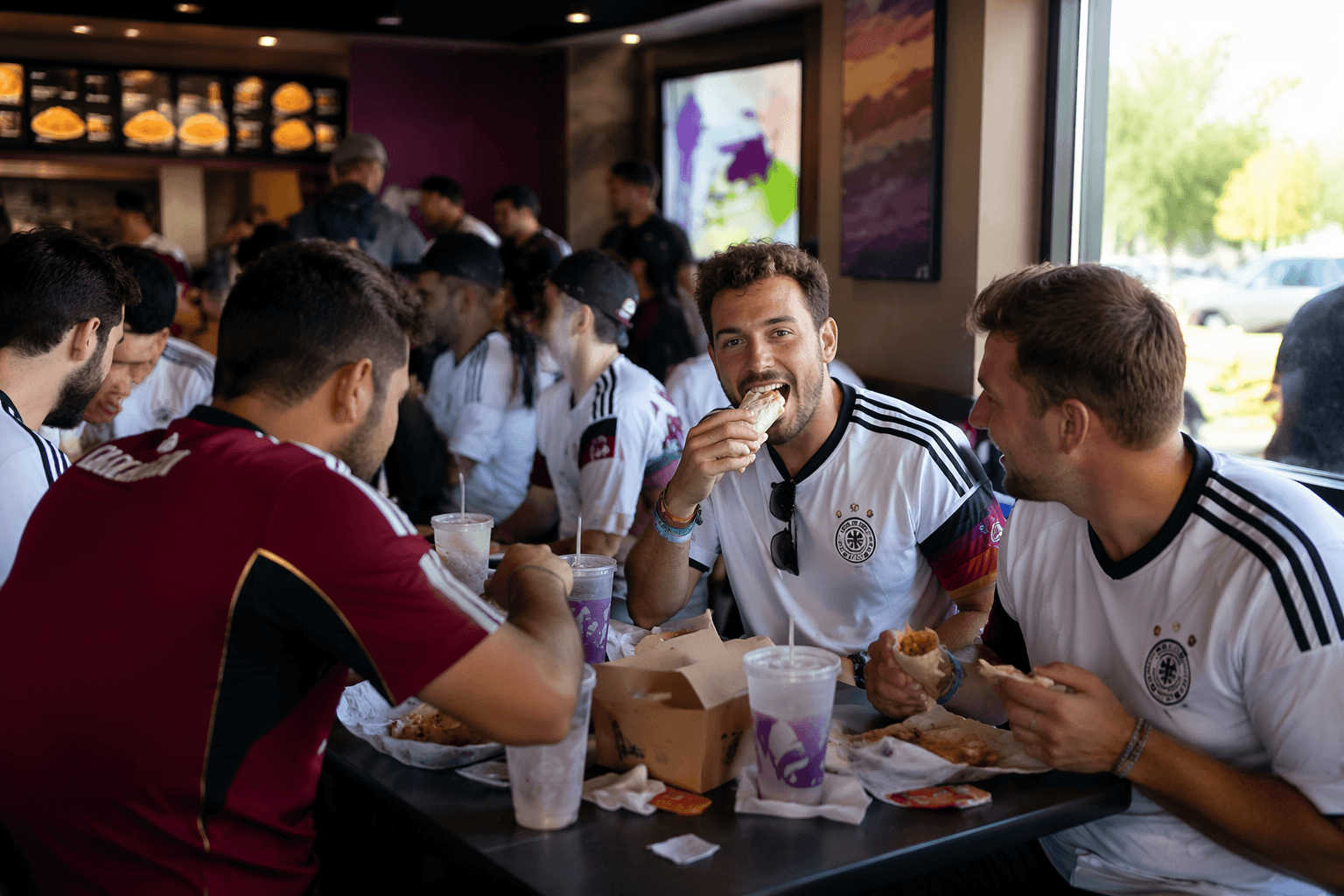
One of the clearest examples came from German fan Freddy, who posts as @FreddyLA7. His posts went viral after he called Taco Bell “the holy land,” and his follower count reportedly climbed into the hundreds of thousands as Americans and major sports figures reacted. The attention shows how fast-food brands built for convenience can become part of a World Cup travel itinerary, with Taco Bell serving as both a recognizable chain and a piece of exported Americana.
For restaurant managers, the upside is obvious: more buzz, more visits and more chances to sell a Crunchwrap Supreme or a customized late-night order. The pressure is just as real, because the brand theater that visitors are sharing online lands on the same crews who still have to keep the line moving, answer the questions and make a familiar chain feel like an event.
This article was produced by Prism’s automated news system from verified source data, official records, and press releases, then run through automated quality and moderation checks before publishing. The system is built and supervised by the people who set the standards it runs under. Read our full AI policy.
Did this article answer your question?