World Food Safety Day spotlights Taco Bell's daily prevention routines
A June 7 food-safety message landed on Taco Bell’s most basic tests: hold temps, report sickness, and stop cross-contamination before a rush turns risky.
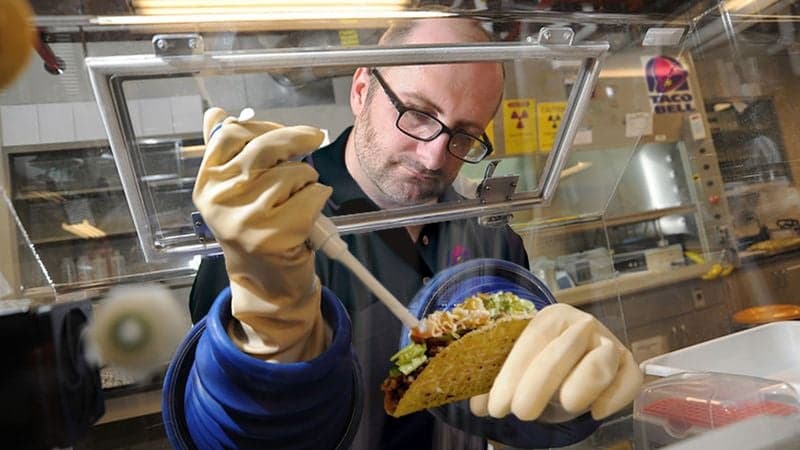
World Food Safety Day became a reminder that the biggest food-safety failures in a Taco Bell kitchen are rarely dramatic. They are the routine misses that a shift manager can catch in real time: a hot line that cools off, a sanitizer bucket that never gets checked, a sick worker who is still on prep, or a handoff that lets cooked food sit too long before it hits the line.
The public-health stakes are not small. The World Health Organization said foodborne diseases remain a major global burden and are largely preventable, and this year’s theme, From burden to solutions - safe food everywhere, pushed data and evidence to the center of prevention. The Pan American Health Organization said about 600 million people fall ill each year and 420,000 preventable deaths occur. It also said low-income populations and young people are among those most affected. In the United States, the Centers for Disease Control and Prevention estimates 48 million people get sick from foodborne illness each year, 128,000 are hospitalized and 3,000 die. Norovirus causes the most foodborne illnesses in the country, and non-typhoidal Salmonella is the deadliest germ.
For Taco Bell crews, those numbers translate into a short list of behaviors that have to hold up during lunch rushes, drive-thru spikes and skeleton staffing. Keep hot foods hot and cold foods cold. Log temperatures instead of guessing. Separate riskier foods from ready-to-eat items. Wash hands and change gloves when the task changes. Clean and sanitize high-touch surfaces. If an employee reports vomiting, diarrhea, fever or another symptom that could spread illness, move that person off the line and do not let the shift turn a staffing problem into a contamination problem. A missed temperature check or sloppy cross-contamination control can become the kind of issue that shows up in an inspection, a customer complaint or an outbreak investigation.

Taco Bell has said food quality and safety are its top priorities and that it has worked with suppliers, industry experts, regulators and even competitors to improve food safety from farm to restaurant. In March 2020, the company said it amended its sick policy at company-owned U.S. restaurants so no one works while sick, and it said it had 7,200 managers in 2020 as it rolled out seven enhanced restaurant safety steps across U.S. stores during the COVID-19 crisis. That is the real takeaway for managers now: food safety is not a slogan, it is a shift-level discipline, and the fastest way to protect guests, crews and the brand is to verify the basics before the rush starts.
This article was produced by Prism’s automated news system from verified source data, official records, and press releases, then run through automated quality and moderation checks before publishing. The system is built and supervised by the people who set the standards it runs under. Read our full AI policy.
Did this article answer your question?