Yum! Brands Accused of Lobbying to Freeze Minimum Wage, Causing Taco Bell Lobby Closures
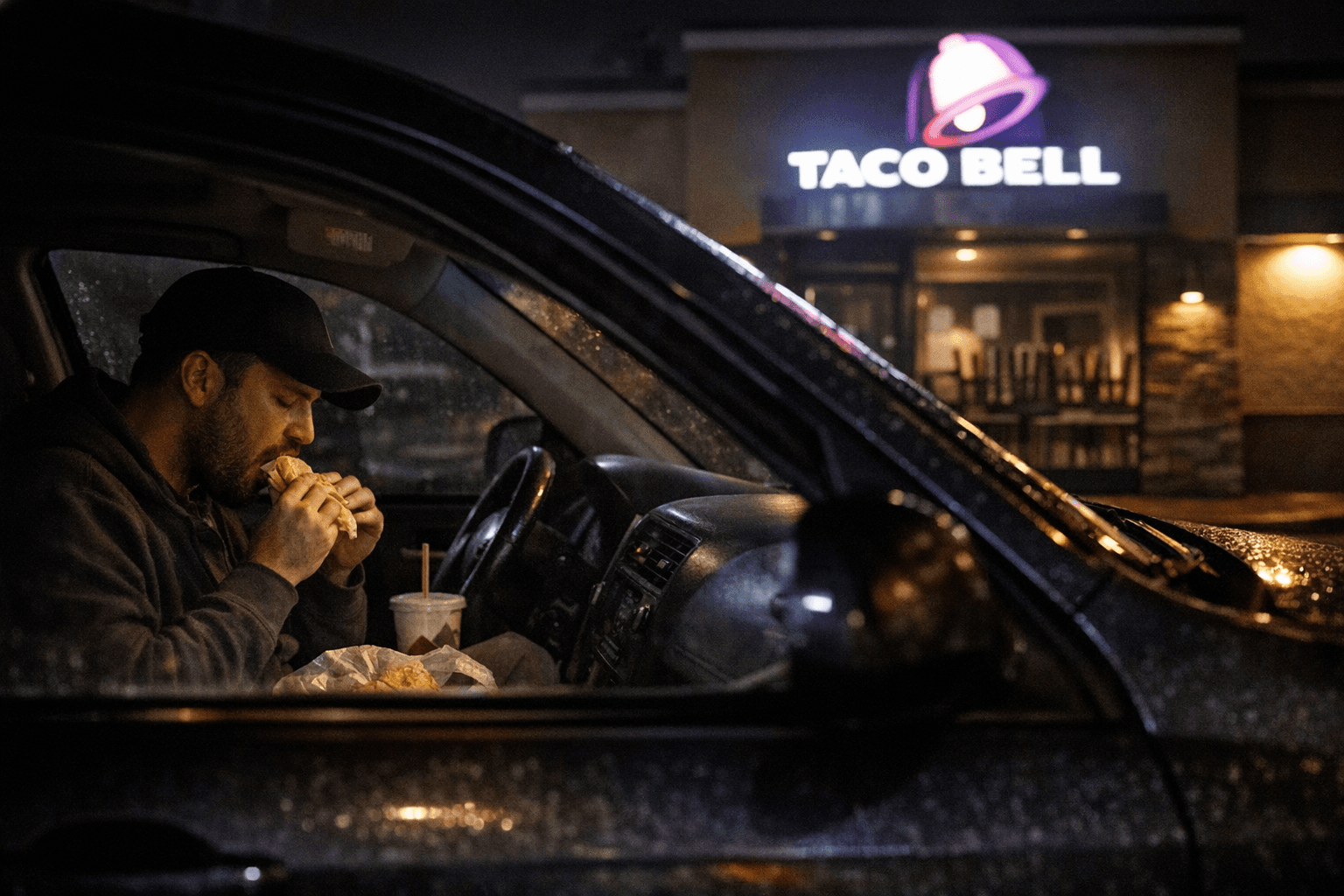
A viral video featuring a customer named Alex eating in their car outside a closed Taco Bell lobby has reignited accusations that Yum! Brands lobbied to keep the federal minimum wage frozen at $7.25.

A viral TikTok video has put Yum! Brands back in the crosshairs of the minimum wage debate, with a poster identified as Alex Pearlman filming from a car outside a Taco Bell with a shuttered lobby, unable to eat inside because the location lacked enough staff to keep its dining room open.
The frustration at the center of the post: arriving at a Taco Bell only to find the lobby closed due to a lack of staff, with minimal staffing levels making it impossible for customers to dine inside or access restrooms, forcing them to eat in their vehicles. But the post went further than a complaint about one closed dining room. It drew a direct line from that locked door to Yum! Brands' alleged role in keeping the federal minimum wage frozen at $7.25 an hour since 2009.
The federal minimum wage has sat at $7.25 an hour since July 2009, and over the past 17 years, the costs of housing, food, transportation, and health care have surged while the wage floor has remained unchanged. The viral post argues that isn't an accident. The National Restaurant Association's lobbying power, combined with other forces in the big business lobby, is a significant part of the reason the federal minimum wage has not moved for years, even as there is widespread bipartisan public support for increasing it.
Yum! Brands, the Louisville-based parent of Taco Bell, KFC, and Pizza Hut, is a member of that association. The National Restaurant Association has been a major opponent of campaigns to raise the minimum wage, spending tens of millions on federal and state politics and ramping up its lobbying efforts since 2008. Yum! Brands directly lobbied against a bill to raise the minimum wage, according to Senate lobbying reports. In 2016 alone, the NRA spent almost $4 million on lobbying, with Yum! Brands, parent of Taco Bell, Pizza Hut, and KFC, contributing $1.6 million on top of that.
The post highlights the unattractiveness of Taco Bell jobs at wages as low as $7.25 an hour. Many potential employees are unwilling to work for what they consider poverty pay, and low minimum wages contribute to high turnover, leading to chronic understaffing and reduced customer satisfaction. For crew members already on the floor, insufficient staffing levels not only damage the customer experience but place excessive burden on existing employees, leading to burnout and reduced job satisfaction.
The post also raised the company's corporate lineage as part of its argument. Yum! Brands' history began in 1977, when PepsiCo entered the restaurant business by acquiring Pizza Hut, followed a year later by the purchase of Taco Bell from founder Glen Bell. PepsiCo later distributed shares of the restaurant spinoff pro rata to its shareholders in a tax-free transaction in October 1997. One condition of the spinoff is that Yum! Brands holds a perpetual agreement to serve Pepsi products in all of its restaurants. The post tied those historic corporate entanglements to current antitrust concerns, pointing to the concentration of market power across brands and supplier relationships that trace back to that PepsiCo era.
The National Restaurant Association has boasted about blocking minimum wage increases and appears to play a role in maintaining a separate, sub-minimum-wage tipped worker tier even in states that have passed minimum wage increases. If the federal minimum wage had kept pace with inflation, it would be well over $12 an hour today; if it had tracked worker productivity gains, it would now be in the range of $22 to $25 an hour.
For Taco Bell workers, the closed lobby is a symptom of a longer equation: when wages stay low enough that positions go unfilled, the remaining crew absorbs the weight of a short-staffed shift, service suffers, and the dining room locks its doors long before closing time.
Know something we missed? Have a correction or additional information?
Submit a Tip