Yum! Brands leans into nostalgia, linking Pizza Hut retro stores and Taco Bell Decades menu
Yum is using nostalgia as a growth strategy, and Taco Bell crews should watch for throwback promos, busier shifts, and higher guest expectations.

Nostalgia is becoming a companywide operating strategy
Yum! Brands is not treating nostalgia as a side project. It is using the idea across brands, tying Pizza Hut’s retro dining rooms to Taco Bell’s Decades menu and KFC’s return of potato wedges. That matters on the Taco Bell side because it signals a broader playbook: memory, comfort, and recognizable brand cues are being used to drive traffic, not just to decorate a marketing calendar.

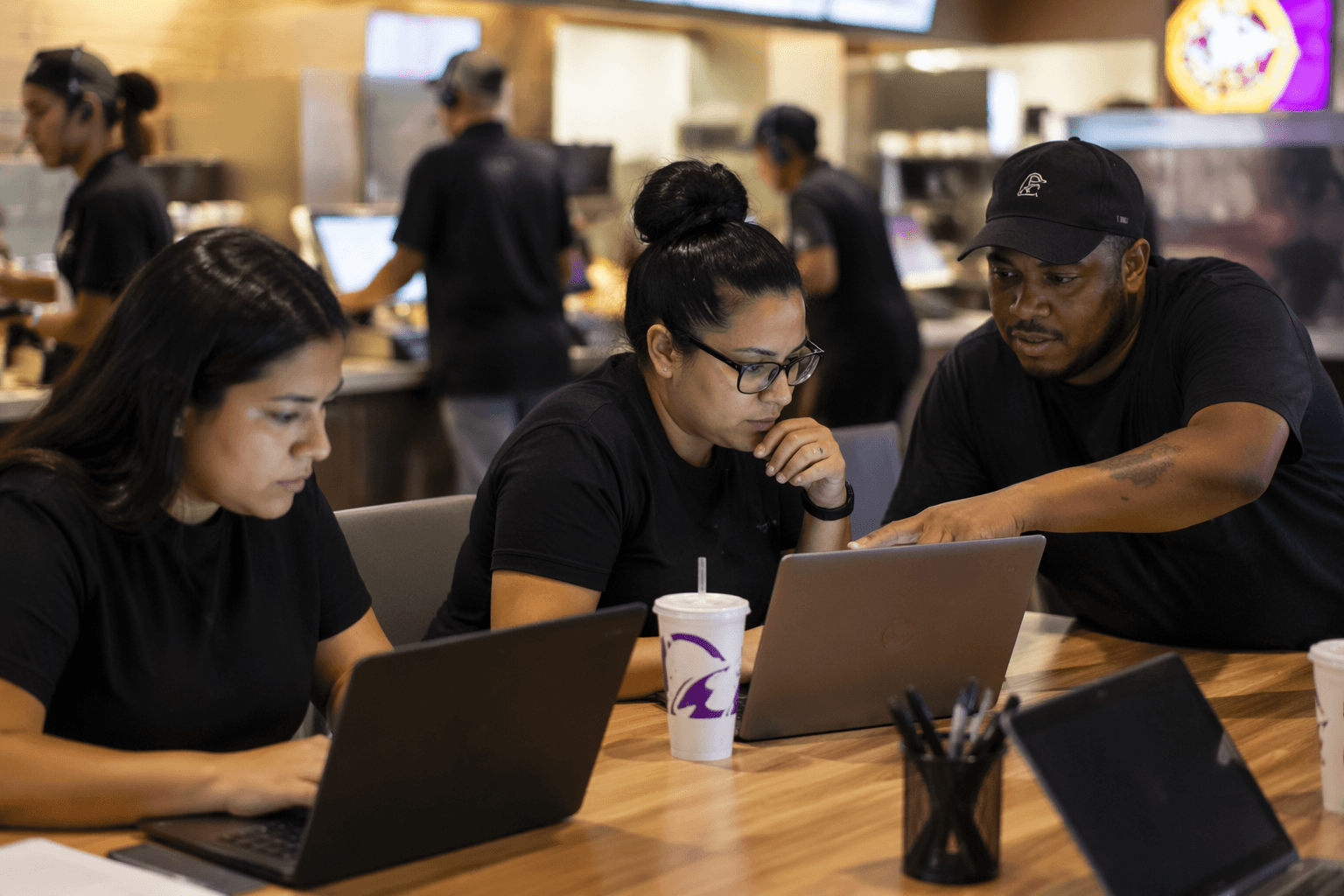
For Taco Bell employees, that shift is more than branding language. When a parent company leans into familiarity, the front line becomes part of the product. The guest is not only buying food, but also a feeling that the chain still knows how to deliver the version of itself people remember.
What Pizza Hut’s retro push says about the family strategy
The Pizza Hut example shows how far Yum is willing to take the idea. About 155 U.S. Pizza Hut restaurants still carry classic Red Roof features, including checkered tablecloths, Tiffany-style lamps, arcade games, red cups, vinyl booths, and the signature red roof. Yum says more locations are being converted because customers are responding to the experience, and restaurant reporting has noted that Pizza Hut dine-in had fallen to 10% of the business by 2018, which makes the throwback move especially telling.
That is the key lesson for Taco Bell workers and managers. Yum is not preserving nostalgia for nostalgia’s sake. It is testing whether familiar design and service cues can create traffic and lift purchase intent, and research cited in industry coverage suggests nostalgia-led marketing can boost purchase intent by as much as 50%. If that theory holds, the chain may expect more from its restaurants than speed alone. It may expect a show, a mood, and a more deliberate brand presence at the counter, in the dining room, and on the app.
Why Taco Bell is squarely in the same playbook
Taco Bell is already part of this strategy. The chain’s Decades Y2K Menu, launched in 2025, brought back five fan-favorite items for $3 or less: the Cool Ranch Doritos Locos Taco, Caramel Apple Empanada, 7-Layer Burrito, Double Decker Taco, and Chili Cheese Burrito. That is not a random nostalgia drop. It is a value play wrapped in memory, and it gives Taco Bell a way to keep the menu feeling fresh without leaning only on price cuts.
For crew members, this kind of promotion changes the shape of a shift. Limited-time returns can mean more ingredient checks, more questions from guests who have not seen the item in years, and more pressure on accuracy because customers often order with a specific memory in mind. A throwback item is not just another line on the screen. It is an expectation test, and if the order is wrong or the product looks different from what guests remember, the complaint lands on the people working the line.
What workers should watch next
If Yum keeps pushing the nostalgia model, Taco Bell employees should be ready for a few likely signals:
- Throwback promotions that lean on old favorites, old packaging, or old names.
- Store-design cues that make the guest feel they are stepping into a special brand moment, not an ordinary transaction.
- Traffic spikes tied to social media, app offers, and limited-time drops, especially when younger consumers respond to the retro angle.
- More guest questions about what is back, what has changed, and whether an item is permanent or temporary.
- Tighter prep routines when the brand wants to sell memory at a $3-or-less price point without slowing the line.
Those changes can affect staffing just as much as they affect marketing. A nostalgia campaign can bring in customers who linger longer, ask more questions, or order more add-ons because they are chasing a specific memory. That means managers may need to rethink labor by daypart, increase prep on the front end, and make sure training covers the menu story as well as the build.
The financial backdrop makes the strategy harder to ignore
Yum’s latest results help explain why this approach is likely to keep expanding. In Q1 2026, Taco Bell U.S. posted 8% same-store sales growth. Yum also reported 3% global same-store sales growth and 5% net new unit growth. Those are the kinds of numbers that make executives more willing to double down on what is working, especially when the company can point to a branded story that links food, mood, and traffic.
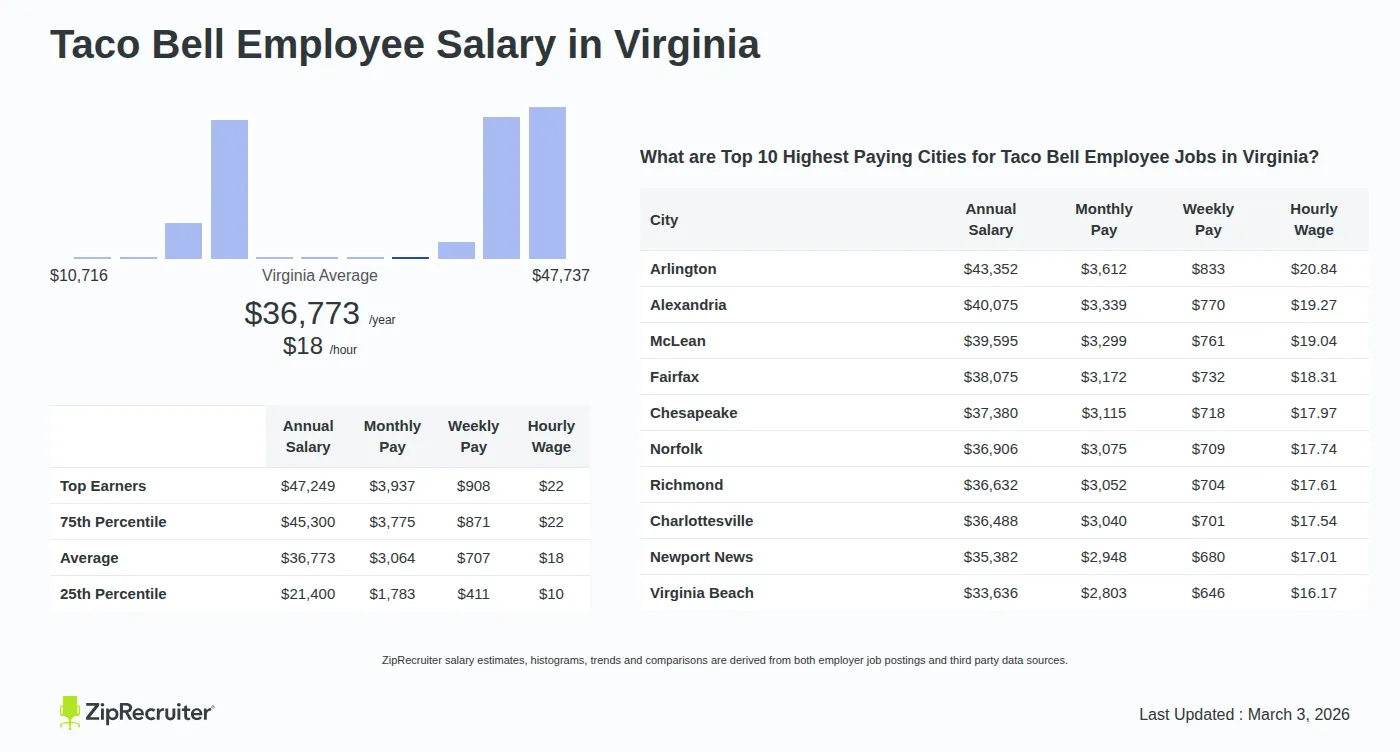
That matters in the labor conversation because growth strategies often show up first as workflow changes. When a company believes a menu reset or design cue can move sales, the stores have to absorb the execution. More traffic can mean more pressure on wage budgets, more urgency around scheduling, and more debate over whether staffing is keeping up with the promise being sold to guests. At chains like Taco Bell, where franchise and corporate operations do not always experience the same pressure in the same way, that gap can show up in labor levels, training consistency, and the amount of flexibility crews are expected to absorb on a busy night.
What managers need to prepare for
For shift managers and restaurant managers, the clearest takeaway is that nostalgia works only if the operation can support it. If Taco Bell wants guests to feel like they are getting a special return item or a brand memory, the kitchen has to be ready for the surge, the cashier has to know the script, and the dining room has to look like the brand cares about the experience. That is where corporate strategy meets hourly reality.
The larger lesson is that Yum is no longer separating “old-school” from “modern” in the way a lot of chains still do. It is using the old to make the new feel more valuable. For Taco Bell workers, that means the next wave of growth may be built as much on emotional recognition as on coupons, and the stores that perform best will be the ones that can turn nostalgia into a clean, fast, well-run shift.
This article was produced by Prism’s automated news system from verified source data, official records, and press releases, then run through automated quality and moderation checks before publishing. The system is built and supervised by the people who set the standards it runs under. Read our full AI policy.
Did this article answer your question?